
I spent three summers watching regular impatiens fry in my sunny pots before I found Sunpatiens. Those first few tries left me with sad, leggy plants and empty containers by July. Then I switched. Now my patio stays full of color from late spring until frost hits, and the whole thing runs on less effort than I expected.
Honestly? These plants changed how I do container gardening. They handle full sun, bounce back from the occasional missed watering, and keep pumping out blooms without constant fuss. If you want real sunpatiens container ideas that work in hot spots, stick with me. I will walk you through what I actually use and why.
Why Sunpatiens Belong in Containers
I used to think impatiens needed shade. Most of them do. Sunpatiens break that rule. They come from a cross that gives them thicker leaves and real heat tolerance. I plant them in spots that get six or more hours of direct sun and they thrive.
Containers dry out faster than garden beds. That used to scare me off sun-loving plants. Sunpatiens handle it better than most annuals I have tried. They still want consistent moisture, but they forgive a late afternoon wilt better than classic impatiens ever did.
Three series exist. Compact stays neat and dense. Spreading trails a bit and fills space. Vigorous gets tall and bold. For pots I stick with compact or spreading most of the time. They fill a container without taking over the whole porch.
I grow them as annuals. They do not survive frost where I live. That is fine. The long bloom season makes the yearly buy worth it.
Picking the Right Pot and Soil
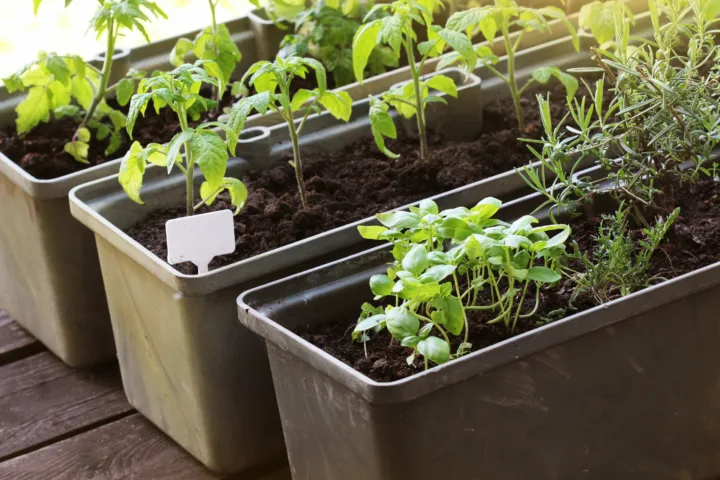
Size matters more than style. I use at least a 12-inch pot for one plant. Bigger containers let me mix a few together. A 16- to 20-inch pot holds three compact plants nicely. Hanging baskets work too if I choose spreading types.
Drainage is non-negotiable. Every pot needs holes. I learned that the hard way when one of my early attempts sat in soggy soil and the roots rotted. Now I check the bottom before I buy.
Soil choice is simple. I fill every container with a quality potting mix that drains well. Garden dirt stays in the ground. It packs down too tight in pots. I sometimes mix in a bit of compost for extra nutrients, but the bagged mix does most of the work.
Light-colored pots help in full sun. Dark ones heat up and dry out faster. I keep a few terracotta ones for looks, but I water them more often.
Raise full-sun containers slightly on pot feet so drainage holes stay unobstructed, especially after heavy watering or storms.
My Favorite Sunpatiens Container Ideas
I keep a running list of combinations that actually perform. These are the ones I plant year after year.
Simple Single-Color Statement
Sometimes I plant three compact Sunpatiens of the same color in a wide pot and call it done. White looks clean against a dark house. Hot coral or orange pops on a neutral patio. The plants mound up and cover the soil so well that the container looks full by midsummer.
I place these by the front steps. Guests notice them right away. No extra plants needed. Just consistent water and a bit of fertilizer.
Thriller-Filler-Spiller Mixes
This classic approach works every time. I put a tall grass or coleus in the center as the thriller. Sunpatiens fill the middle. Something trailing spills over the edge.
One combo I love uses purple fountain grass in the middle. Compact red Sunpatiens circle it. Sweet potato vine trails out the sides. The red blooms stay bright against the dark foliage of the vine. Everything stays in scale because I choose compact series Sunpatiens.
Another favorite pairs Compact Hot Coral with chartreuse coleus and creeping Jenny. The coral flowers and lime leaves create contrast that lasts all season. I have used this mix on a sunny balcony for three years running. It never disappoints.
Hanging Basket Cascades
Spreading Sunpatiens shine here. I plant three or four in a 12- to 14-inch basket. They mound and then spill. Colors like salmon or shell pink look soft against a porch railing. Deeper reds or oranges make a stronger statement.
I water these twice a day in peak heat. Baskets dry out fast. A self-watering basket helps if I know I will be gone for a weekend.
Matching the House Colors
I once painted my porch chairs a weird coral shade. That year I planted coral Sunpatiens in matching pots on either side of the steps. The echo made the whole entry feel intentional. Color matching is an easy win. Look at your shutters, door, or outdoor cushions and pick a Sunpatiens shade that plays along.
Tropical Punch Pots
For a bolder look I add elephant ear or a small canna as the tall element. Orange or magenta Sunpatiens fill around the base. A purple Persian shield or citronella plant adds more foliage interest. These pots feel lush and resort-like. They need more water and a bigger container, but the payoff is high.
How I Plant and Space Them
I wait until nights stay above 50 degrees. Cold soil slows them down. I gently loosen the root ball when I take the plant out of its nursery pot. A little tear is fine. It encourages new roots.
In a mixed pot I place the thriller first, then the Sunpatiens, then the spillers. I leave a little space between plants so air can move. Crowding leads to weaker stems and more moisture issues.
One plant fills a 12-inch pot. Three fit a 16- to 20-inch pot without fighting. I used to plant tighter and regretted it when everything got leggy.
After planting I water thoroughly until water runs out the bottom. Then I let the soil settle and add more mix if needed.
Acclimate nursery-grown Sunpatiens to your patio over several days before exposing them to a full day of direct sun.
Watering and Feeding Reality
Containers demand more attention than beds. In hot weather I check daily. The top inch of soil should feel dry before I water again. When I do water, I soak until it drains out.
I use a saucer under some pots to catch runoff. It acts like a small reservoir on hot days. I empty it if water sits for more than a few hours.
Fertilizer keeps the blooms coming. I mix a slow-release balanced fertilizer into the potting mix at planting. Then I give a diluted liquid feed every two to three weeks. Too much nitrogen makes leaves at the expense of flowers. I keep the dose light.
Sunpatiens drop spent blooms on their own. No deadheading required. That alone saves me hours.
Common Mistakes I Made So You Skip Them
I once put them in pure shade. They lived but flowered less. Full or part sun works best.
I also tried regular garden soil in a pot. It compacted and held too much water. Roots suffered. Stick to potting mix.
Over-fertilizing is easy. The plants look lush at first, then the bloom count drops. Less is more.
Ignoring drainage kills more containers than anything else. Always check the holes.
Frequently Asked Questions
How many Sunpatiens should I put in one container? One plant fills a 12-inch pot. Three compact plants work well in a 16- to 20-inch pot. Give them room so they stay healthy and full.
Do Sunpatiens need full sun in containers? They perform best with at least four to six hours of direct sun. More sun usually means more flowers. They tolerate some shade but bloom less.
How often do I water Sunpatiens in pots? Check daily in summer heat. Water when the top inch of soil feels dry. Hanging baskets and small pots may need water twice a day during heat waves.
Can I mix Sunpatiens with other plants in the same container? Yes. Pair them with plants that like the same sun and water levels. Coleus, sweet potato vine, ornamental grasses, and creeping Jenny all play nicely.
Are Sunpatiens good for beginners who want sunpatiens container ideas? They are. The plants forgive small mistakes better than many annuals. Consistent moisture and decent potting mix get you most of the way there.
Final Thoughts from My Patio
I still walk outside every morning and check the pots. The continuous color from these plants makes the small daily effort feel worth it. Start with one simple container of matching compact Sunpatiens if you feel unsure. Once you see how they perform, you will want more.
Pick a sunny spot. Choose a pot with drainage. Use good mix. Water when needed. That is the core of every successful sunpatiens container idea I have tried. The rest is just color and company. Go plant something. Your patio will thank you by August.