
I stared at my bare concrete balcony for months and felt stuck. Then I started collecting 15 balcony garden inspo ideas that finally worked for me. My space measures just six by eight feet. Wind hits hard. Sunlight shows up for only four hours most days. Still, I turned it into the green corner I crave after long work weeks.
Honestly? I almost gave up twice. The first try left me with dead herbs and a drained bank account. See, I kept buying fancy setups that looked perfect online but failed in real life. What changed everything was focusing on simple, doable moves instead of chasing some Pinterest fantasy.
I share these ideas from my own trial and error. Some cost almost nothing. Others took a weekend of effort. All of them taught me something useful. You get the full list plus the exact mistakes I made so you skip the frustration.
Vertical Wins That Save Floor Space
My biggest early error was treating the floor like the only real estate. That left zero room to walk. Vertical solutions fixed it fast.
Railing Planters I Swear By
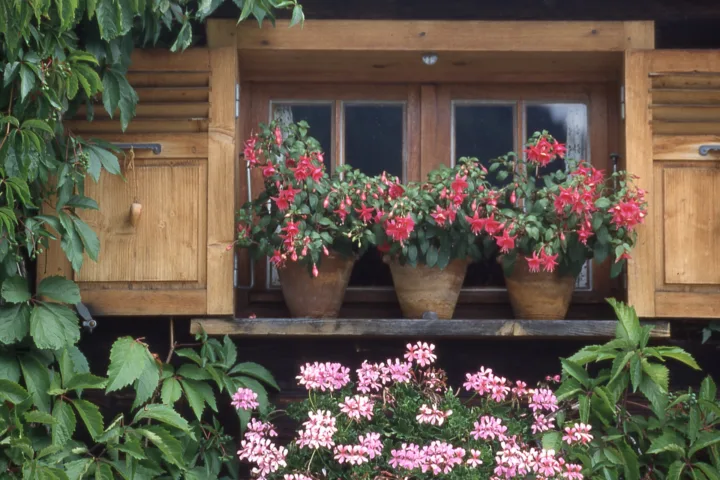
I bolted simple metal railing planters along the entire outer edge. They hold trailing plants that spill over without blocking the view. I filled them with petunias and sweet potato vines. The color pops and the vines soften the metal rail. Cost stayed under $40 total because I reused old potting mix from previous attempts. Watering takes two minutes with a long-spout can. These planters stay put even when the wind kicks up.
Wall-Mounted Shelves for Layers
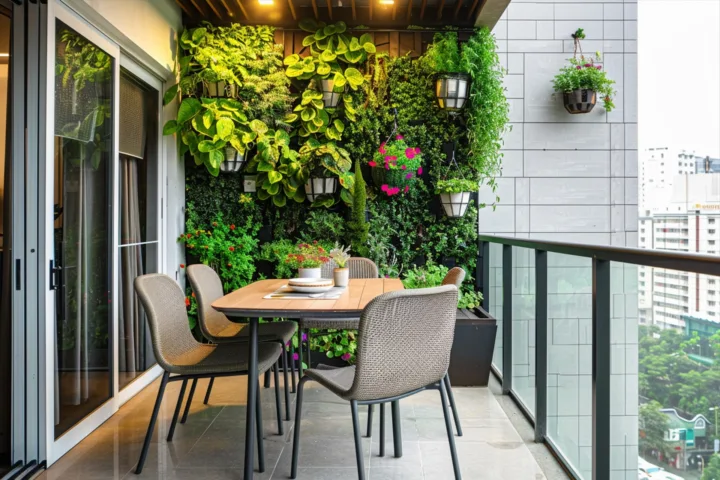
I screwed three narrow shelves into the brick wall. Each holds four small pots. Herbs sit on the top shelf where they get the most light. Shade lovers go lower. The setup creates a living wall effect without any fancy hydroponics. I check the shelves every morning while I drink coffee. It feels like a tiny ritual now.
Hanging Baskets From the Ceiling
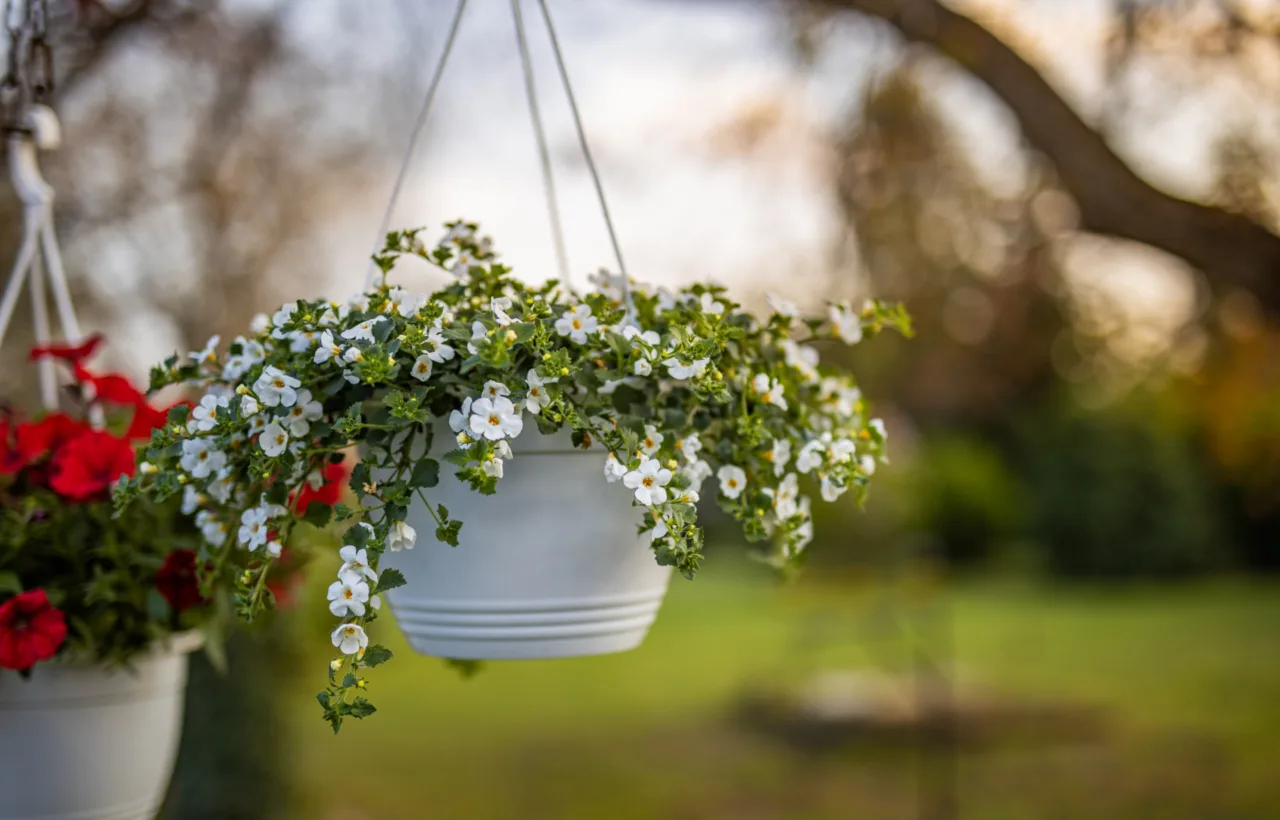
Four hooks went into the overhead concrete. I hang lightweight baskets filled with ferns and trailing ivy. They swing a bit in the breeze but never fall. The height keeps them out of reach of my curious cat. This single change doubled my plant count without stealing any walking space.
Container Choices That Actually Survived
Cheap plastic pots cracked after one summer. I learned the hard way.
I switched to fabric grow bags and sturdy resin pots. Fabric bags breathe better and keep roots cooler. Resin pots look like ceramic but weigh far less. I group them in odd numbers for a natural look. Three large bags hold tomatoes and peppers. Smaller ones cluster around the edges with lettuce and radishes.
Self-watering containers saved me during a two-week trip. The reservoir holds enough water for five days in mild weather. I still check them, but the stress dropped. Mix different heights and textures. Tall grasses next to low succulents create visual interest without extra work.
On a tiny apartment deck, waterlogged grow bags become surprisingly heavy, so check balcony load guidance before grouping three large tomato and pepper containers.
Herb and Edible Spots That Feed Me
I wanted more than pretty leaves. I wanted dinner contributions.
Basil, mint, and chives grow in a dedicated railing section. I snip them almost daily. Cherry tomatoes climb a small trellis I tied to the rail. One plant gave me enough fruit for salads all summer. Strawberries in hanging baskets produced a handful every few days. The flavor beats anything from the store.
See, I used to think edible gardening needed a full yard. Wrong. A few well-chosen pots deliver real results. I start seeds indoors in late winter and move them out after the last frost. Failure rate dropped once I stopped overwatering. Soil should feel like a wrung-out sponge, not a swamp.
Lighting Tricks for Evening Vibes
Daytime looks great. Nighttime felt empty until I added soft light.
Solar string lights wrap around the railing and shelves. They charge during the day and glow for six hours. No cords. No electric bill. I also stuck a small solar spotlight aimed at the tallest plants. The shadows dance on the wall and make the space feel bigger after dark.
Fairy lights in a glass jar sit on a small side table. I turn them on when friends visit. The whole balcony shifts from daytime garden to cozy nook in seconds. Keep lights warm white. Cool white makes plants look sickly.
Privacy Screens Without the Bulk
Neighbors sit close. I wanted some separation without building a fortress.
Bamboo screens attach to the rail with zip ties. They roll up when I want the open view. Climbing beans and morning glories grow up the bamboo and fill in the gaps by midsummer. The green wall blocks the direct line of sight while still letting breeze through.
I also lined one side with tall ornamental grasses in large pots. They sway and create soft movement. Privacy feels natural instead of forced.
Furniture That Doubles as Storage
A bare balcony needs somewhere to sit. I chose pieces that work hard.
A narrow bench with built-in storage holds extra soil, tools, and gloves. The lid lifts easily. Two folding chairs tuck underneath when not in use. A small round table holds drinks and a notebook where I track what blooms when.
Cushions stay outside in a waterproof bag. I bring them in only during heavy rain. Comfort matters. I spend more time out there because the seating invites me to stay.
Color and Texture Mixes I Keep Returning To
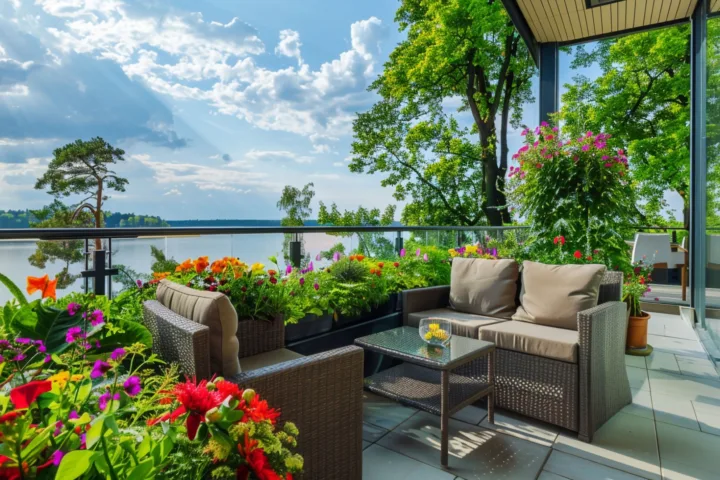
Green alone felt flat. I added bold pots in terracotta and deep blue. Flowers in purple and orange punch through the foliage. Silver-leafed dusty miller contrasts with dark green ivy.
I rotate a few seasonal plants. Spring bulbs give way to summer annuals. Fall mums take over later. The changes keep the space interesting without a full redesign every year.
Watering Systems That Cut My Workload
Hand watering every day got old fast. I added a simple drip system with a timer. It runs for ten minutes each morning. Tubing snakes along the shelves and into each pot. Setup took one afternoon. Now I only top up the reservoir weekly.
For the hanging baskets I use a watering wand with a gentle shower head. No more soaked floors or wasted water. Consistency matters more than volume. Plants prefer regular sips over occasional floods.
Budget Finds That Look Expensive
I refuse to spend hundreds on decor. Thrift stores supplied most of my pots. A coat of outdoor paint unified the mismatched colors. Old wooden crates became plant stands after I sealed them against weather.
Repurposed kitchen colanders hang as planters once I lined them with coconut coir. They drain perfectly and cost almost nothing. Creativity beats a big budget every single time.
Seasonal Swaps That Keep Things Fresh
Winter used to empty the balcony. Now I switch to evergreens and hardy herbs. Rosemary and thyme handle light frost. A few outdoor fairy lights stay up year-round for cheer.
Spring means fresh soil and new seeds. Summer brings the full edible push. Fall focuses on cleanup and protection. The cycle feels manageable because I plan the changes in advance.
Common Mistakes I Made So You Skip Them
I overcrowded the space at first. Plants competed for light and air. Thinning them out improved everything. I also ignored weight limits. Wet soil is heavy. I checked the building rules and spread the load across the floor.
Overfertilizing burned roots. Less is more. A balanced liquid feed every two weeks during active growth works better than constant doses. Pests showed up once. A strong spray of water and a bit of neem oil handled aphids without chemicals.
Maintenance Habits That Stick
Five minutes every morning keeps the balcony tidy. I remove dead leaves, check soil moisture, and snip herbs. Weekly I rotate pots for even light. Monthly I inspect supports and clean the floor.
These habits prevent big problems. The space stays inviting instead of becoming a chore.
My Current Favorite Combo
Right now the railing overflows with trailing nasturtiums and basil. Shelves hold a mix of lettuce and pansies. Hanging baskets drip with ivy and strawberries. The bench faces the best view. String lights wait for dusk. This exact mix delivers the calm I need after tough days.
I adjust based on what thrives. No two seasons look identical. That flexibility keeps the process fun.
Frequently Asked Questions
How do I start with 15 balcony garden inspo if my space gets almost no sun? Focus on shade-tolerant plants like ferns, hostas, and mint. Place them where they catch whatever light exists and use reflective surfaces to bounce more brightness around.
What containers work best for windy balconies? Heavy resin pots or fabric bags with wide bases stay put better than tall skinny ones. Secure railing planters with extra ties for safety.
Can I grow real food in such a small area? Yes. Herbs, cherry tomatoes, lettuce, and strawberries all produce well in containers. One productive plant often surprises you with the harvest size.
How often should I water a balcony garden? Check soil daily at first. Most setups need water every one to three days depending on heat and wind. Self-watering systems reduce the frequency once established.
Do I need special soil for balcony pots? Regular garden soil packs too tight. Use a quality potting mix designed for containers. It drains better and keeps roots healthy.
I keep tweaking my balcony every season. The core ideas stay the same. Vertical layers, smart containers, a few edibles, soft lighting, and consistent care turn even the smallest outdoor spot into something I look forward to using. Start with two or three of these moves. Build from there. Your version will look different from mine, and that is the whole point. Go make your own green corner.