
My first container pond was a $40 galvanized stock tank from a farm supply store, sitting empty in my backyard for two weeks because I had no idea what to put in it. That hesitation cost me nothing, but it also cost me two weeks of a project that should’ve taken an afternoon.
A container pond is exactly what it sounds like: a small water garden built inside a pot, tub, or tank instead of dug into the ground. I built mine three summers ago after realizing my tiny backyard had zero room for an actual in-ground pond, and it turned into one of my favorite features out there. I want to walk you through what I got wrong and what actually made the thing work.
What Is a Container Pond, and Why I Built One
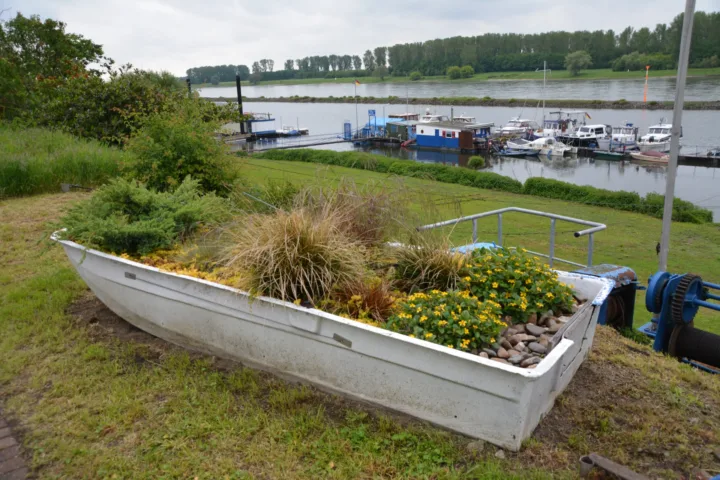
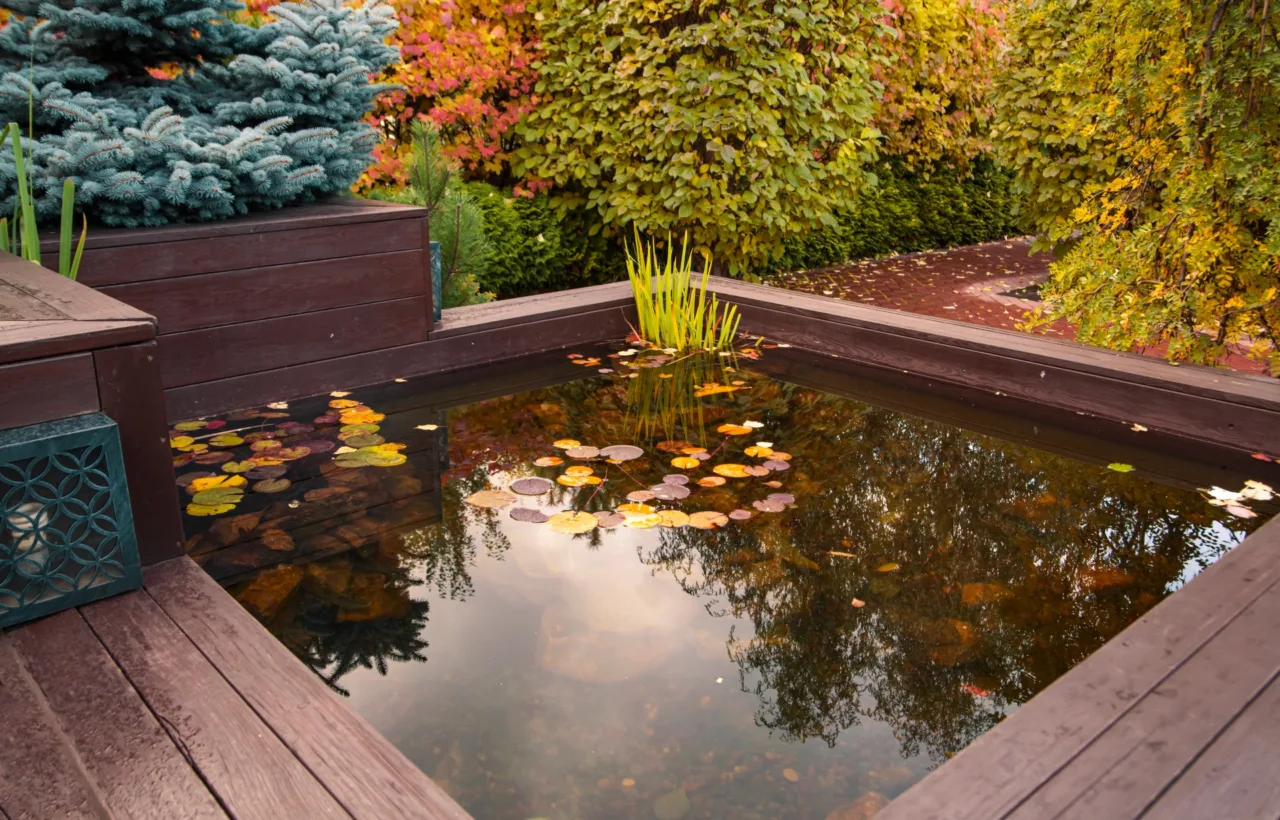
A container pond is basically a miniature water garden contained in a decorative or utilitarian vessel. No digging required, no excavation equipment, none of the commitment a full in-ground pond demands.
Honestly? That’s exactly why it appealed to me. My yard is maybe 400 square feet total, and a real pond was never happening there.
A few reasons people build these:
- Space limits: Perfect for patios, small yards, or apartment balconies with no ground access at all.
- Wildlife support: Frogs, birds, and beneficial insects find these surprisingly fast, even in urban areas.
- Lower cost: A stock tank or large pot runs far cheaper than excavation and liner for an in-ground pond.
- Sound and movement: Even a small container of water adds a calming element most gardens lack.
Don’t assume you need acreage to enjoy water gardening. A single tub can do more for your yard than you’d expect.
Choosing the Right Container
This is where most people, myself included, get tripped up first. Not every container works, and the wrong choice causes real problems down the line.
Depth Requirements for Plants and Fish
Depth matters more than most beginners realize. A shallow tabletop water garden only needs about four inches for floating plants.
If you want oxygenating plants or fish, though, plan for a minimum of 15 inches of depth. Shallow water heats up fast in summer sun, which stresses fish and can kill submerged plants outright.
Materials to Avoid
Some container materials cause more trouble than they’re worth.
- Metal: Heats water quickly in direct sun, which harms both plants and fish. My aluminum trial run lasted one summer before I switched.
- Untreated wood barrels: Can leach toxins into the water unless lined properly.
- Thin plastic: Fine for plants alone, but risky for fish since it degrades faster under UV exposure.
I bought a secondhand wooden half barrel for $25 at a flea market, then spent another $12 on a rubber pond liner to make it safe for the goldfish I planned to add. Skipping that liner would’ve been a mistake, since raw wood barrels often carry treatment chemicals that hurt aquatic life.
Where to Position Your Container Pond
Sun exposure makes or breaks a container pond faster than almost anything else. Too much direct sun and the water overheats. Too little and plants struggle to grow.
I think that’s the wrong question to obsess over though, “sunny or shady” isn’t quite it. The better question is how many hours of direct sun a spot gets, since partial sun usually beats either extreme.
My general placement guidelines:
- Pick a spot with some sun, but not blazing exposure all day long.
- Avoid deep shade, since most pond plants need at least a few hours of direct light to bloom or grow well.
- Keep the container somewhere visible, since half the enjoyment comes from actually seeing it daily.
- Consider safety first if kids or pets have yard access, even a shallow container poses a drowning risk for toddlers.
- Set the container in its final spot before filling it with water, since a full tank gets heavy fast and becomes nearly impossible to move.
My first attempt sat in full afternoon sun for about six hours a day, and the water temperature climbed high enough that my water lettuce wilted within a week. Moving the whole setup to a spot with morning sun and afternoon shade fixed it completely.
Best Plants for a Container Pond
Plants do more than decorate a container pond. They oxygenate the water, shade it from overheating, and give fish and wildlife somewhere to hide.
Floating and Marginal Plants
Floating plants sit right on the water’s surface, no soil required.
- Water lettuce: Fast growing, provides shade cover, and helps limit algae growth.
- Water hyacinth: Beautiful purple blooms, though it spreads fast enough to need regular thinning.
- Corkscrew rush: A marginal plant that adds height and texture along the edges.
- Dwarf papyrus: Tall and dramatic, works well as a centerpiece plant near the container’s rim.
Marginal plants like corkscrew rush sit in shallow water around the container’s edge rather than floating freely. They’re the easiest entry point if you’re nervous about killing something expensive right out of the gate.
Container Pond Plants and Fish at a Glance
Here’s a quick reference comparing what goes where and how deep it needs to be, since I wish I’d had this chart before my first attempt.
| Element | Placement | Minimum Depth | Notes |
|---|---|---|---|
| Floating plants | Water surface | 4 inches | No soil needed, easiest starting point |
| Marginal plants | Shallow edges | 4–6 inches | Corkscrew rush, small irises |
| Oxygenating plants | Fully submerged | 12–15 inches | Helps keep water clear |
| Goldfish | Full water column | 15+ inches | Needs stable temperature, avoid metal containers |
| Native wildlife (frogs, insects) | Throughout | Any depth with a ramp | No fish needed for this route |
Print this out before your next trip to the garden center. It saves a lot of confused wandering through the pond plant section.
Adding Fish or Keeping It Wildlife-Only
This decision splits container pond owners into two camps pretty firmly, and both have solid reasoning behind them.
Why Wildlife Ponds Skip Ornamental Fish
Goldfish and koi look fantastic, but they’re not native species in most areas, and they actively eat mosquito larvae, frog eggs, and other wildlife you might actually want to attract. A wildlife-focused container pond generally works better without them.
I added three goldfish to my tank at $2 each from a local pet store, and within two weeks a raccoon had figured out the buffet was open. I removed the fish that fall and switched to a wildlife-only setup instead, and honestly, it’s been far less maintenance since.
If you do want fish, keep these points in mind:
- Stick to hardy species like goldfish rather than delicate tropical fish for an outdoor setup.
- Provide hiding spots using stacked cinder blocks or overturned pots to protect against predators.
- Never use metal containers, since temperature swings stress fish fast.
- Budget for a small pond heater if you’re in a climate with hard winter freezes.
Don’t add fish just because it seems like the default choice. A wildlife pond with frogs, dragonflies, and birds can be just as rewarding, minus the predator drama.
Filling and Maintaining the Water
Getting water into the container seems like the simple part. There are still a few details worth knowing before you just grab the hose.
Rainwater is ideal for the first fill, since tap water contains chlorine that can harm sensitive plants and any wildlife that shows up early. If rainwater isn’t an option, let tap water sit uncovered for about 24 hours before adding plants or fish, which gives the chlorine time to dissipate.
A few maintenance habits that kept my pond healthy through its first full year:
- Top off water levels weekly during hot summer months, since evaporation happens faster than you’d expect in a small container.
- Remove debris and dead plant material regularly to prevent it from decomposing and fouling the water.
- Watch for mosquito larvae, though a healthy population of predatory insects or a couple of fish usually keeps that in check on its own.
- Expect some algae growth early on. It typically settles down once floating plants establish enough shade cover.
FYI, a little cloudiness in the first few weeks is completely normal. My tank looked genuinely swampy for about a month before it cleared up on its own once the plants took hold.
Frequently Asked Questions
How deep does a container pond need to be? A basic tabletop water garden only needs about four inches, but anything with fish or oxygenating plants needs at least 15 inches of depth.
Can I keep fish in a container pond? Yes, though hardy species like goldfish do best, and you’ll want a container at least 15 inches deep with some protection from overheating and predators.
What’s the best time of year to build a container pond? Spring works best, since plants settle in quickly during the growing season and wildlife tends to find new water sources fast.
Do I need a pump or filter for a container pond? Not necessarily. Many small container ponds run successfully without one, relying instead on plants and a balanced ecosystem to keep water clear.
Will a container pond attract mosquitoes? It can if left completely untended, but adding a few fish or maintaining healthy plant cover usually keeps mosquito larvae from becoming a problem.
Wrapping This Up
A container pond doesn’t need a big yard, a big budget, or much gardening experience to actually work. Get the depth right for whatever you want to keep in there, position it where sun exposure won’t cook the water, and choose plants that match how much maintenance you’re willing to do.
That $40 stock tank from three summers ago is still sitting in my backyard right now, minus the goldfish and plus a whole lot of frog activity I never expected. Grab a container this weekend and give it a shot. Worst case, you learn what I learned and adjust from there.