
My porch used to go straight from summer petunias to bare dirt every October. No transition, no color, just sad crispy stems until the first snow buried the evidence.
That changed three years ago when a neighbor in my Zone 6 town showed me her mum and kale combo, still blooming into late November. Fall container gardens turned out to be one of the easiest wins in gardening, way easier than keeping summer annuals alive through July heat. I’ve been doing it every year since, and I want to save you the trial and error I went through.
Why Fall Container Gardens Deserve as Much Effort as Spring Ones
Most people treat fall planting as an afterthought. A stray mum on the porch step, maybe a pumpkin next to it, done.
Honestly? That’s a missed opportunity. Cool season plants actually hold their color longer than summer annuals do, since they’re not racing against heat stress the whole time.
A few reasons I take fall containers seriously now:
- Longer color window: Many fall plants bloom from September through a hard freeze, sometimes eight to ten weeks total.
- Better texture options: Ornamental grasses and kale bring shape and movement that summer annuals rarely offer.
- Lower maintenance: Cooler temps mean less watering and fewer pest problems than peak summer.
- Cheap seasonal refresh: I spent under $40 total refreshing three porch pots last October, and they outlasted my summer petunias by six weeks.
Don’t let your containers go bare just because summer’s over. There’s a whole second season of color waiting.
When to Plant Fall Container Gardens
Timing matters more here than with spring planting. Plant too early and everything gets leggy in the lingering heat. Plant too late and you lose weeks of bloom time.
The general rule: plant six to eight weeks before your first expected frost. That gives roots time to establish while soil is still warm.
I garden in Zone 6, where first frost usually hits in mid-October. That puts my planting window in late August through early September, and I’ve learned to just mark it on my calendar so I don’t miss it.
- Check your USDA hardiness zone if you don’t already know it.
- Look up your area’s average first frost date, easy to find through your state’s extension office website.
- Count backward six to eight weeks from that date to find your planting window.
See, this is the step most people skip. They wait until the leaves start changing, and by then half the growing season is gone.
The Thriller-Filler-Spiller Formula for Fall Pots
Same design formula from spring container gardening, just with a cold weather cast of characters. It still works because the logic never changes: height in the center, color in the middle, movement at the edges.
Fall Thriller Plants Worth the Space
Thrillers anchor the whole pot, so pick something with real presence.
- Ornamental grasses: Purple fountain grass adds movement, though it’s only hardy in Zones 9 and 10 so treat it as an annual elsewhere.
- Flowering kale and cabbage: Their rosette shape gets more dramatic after a light frost, not less.
- Black-eyed Susan: Brings warm yellow tones that read as autumn without feeling like a cliché.
I paid $9 for a single purple fountain grass at a local nursery last September, and it gave my entryway pot more visual weight than three mums combined.
Fillers That Handle a Cold Snap
Fillers do the heavy lifting on color, and fall gives you some genuinely tough options.
- Pansies: Thrive once nighttime temps drop into the 60s, and they tolerate a light freeze without complaint.
- Violas: Smaller cousins of pansies, hardy down to around 28 degrees Fahrenheit.
- Mums: The classic choice, though buying them already in full bloom shortens your color window considerably.
Don’t buy mums already in full flower if you can help it. Look for ones with mostly unopened buds instead, since that alone can add two or three extra weeks of bloom time.
Best Spiller Plants for Fall Containers
Spillers soften the hard edges of a pot and pull the whole design together. Fall doesn’t leave you as many options as summer, but the ones available are solid.
My reliable picks:
- Creeping Jenny: Hardy in Zones 3 through 9, stays chartreuse and cheerful well past first frost.
- Sweet potato vine: Gorgeous chartreuse or purple foliage, but pull it after the first hard freeze since it won’t survive one.
- Trailing ivy: Evergreen and tough, one of the few spillers that shrugs off a real cold snap.
- Calibrachoa: Peachy trailing blooms that hold up surprisingly well into early fall before finally fading.
I lost a full pot of sweet potato vine to an early October frost two years ago and learned the hard way that it needs pulling the moment temperatures threaten to dip below freezing.
Growing Mums in Pots Without Killing Them
Mums get a bad reputation for dying fast, but that’s usually a buying and watering problem, not a plant problem.
Watering and Placement Tips for Mums
Mums prefer soil that’s a bit on the dry side, though not bone dry. Overwatering, especially getting water directly on the blooms, turns those petals mushy fast.
A few habits that kept my mums going for closer to six weeks instead of two:
- Water at soil level, avoiding the flower heads entirely.
- Check soil moisture every other day rather than daily.
- Place pots in a spot with morning sun and afternoon shade if your fall still runs warm.
- Trim spent blooms regularly to encourage new buds.
I bought two budding mums for $12 each at a garden center last fall, and following that watering routine got me almost six full weeks of color before they finally faded.
Fall Container Plants at a Glance
Here’s a quick comparison of the plants covered so far, useful for planning a shopping trip without wandering the nursery aisles confused.
| Plant | Role | Cold Tolerance | Approx. Cost |
|---|---|---|---|
| Purple fountain grass | Thriller | Zones 9–10 only | $8–$12 |
| Flowering kale | Thriller/filler | Improves after frost | $4–$7 |
| Mums | Filler | Light frost | $8–$15 |
| Pansies | Filler | Down to 20s°F | $3–$5 |
| Creeping Jenny | Spiller | Zones 3–9 | $5–$8 |
| Sweet potato vine | Spiller | Dies at first hard frost | $5–$8 |
Screenshot that before your next nursery run. It saves a lot of standing around squinting at plant tags.
Protecting Fall Containers From Frost and Freezing Nights
Not every fall plant needs protection, but the tender ones definitely do. Ignore this step and you’ll lose plants overnight that could’ve lasted another month.
What to Bring Inside vs What Can Stay Out
Some plants shrug off a freeze. Others turn to mush by morning.
Can generally handle a light frost outdoors:
- Pansies and violas
- Ornamental kale and cabbage
- Mums
- Creeping Jenny
Needs protection or should come inside before a hard freeze:
- Sweet potato vine
- Ornamental peppers
- Calibrachoa
- Purple fountain grass in cold climates
I bought a $15 roll of frost cloth from a hardware store last November and draped it over my porch containers on a night the forecast dipped to 28 degrees. Everything under it survived, while an uncovered pot two feet away lost its calibrachoa completely.
Don’t wait until the forecast says freeze warning to figure out your protection plan. Have frost cloth or a spot indoors ready before you need it.
Container and Soil Choices for Fall
You don’t need new pots for fall. Reusing your summer containers works fine, though a few adjustments help.
- Fill containers more densely than you would in spring, since fall growth slows down and there’s less time for plants to fill in gaps.
- Make sure drainage holes are clear, since fall rain can be heavier than summer watering schedules account for.
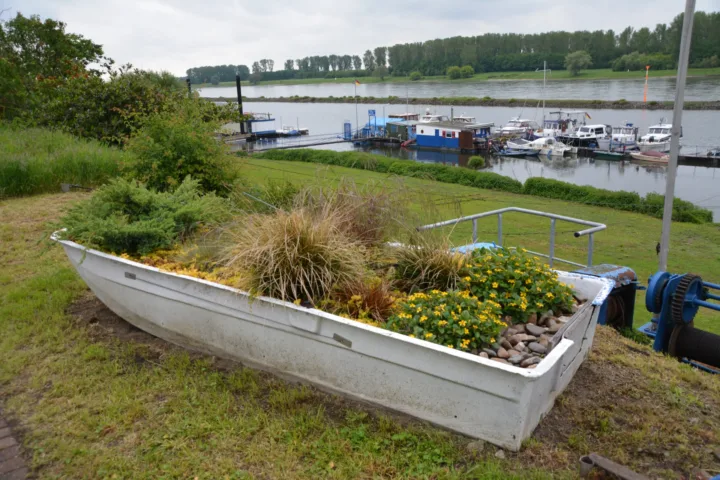
- Consider upcycled options like galvanized buckets, wooden crates, or wicker baskets for a seasonal look, just add drainage holes first if they don’t already have any.
- Fresh potting mix isn’t strictly necessary, but top-dressing tired summer soil with new compost gives fall plants a nutrient boost.
IMO the upcycled container route is underrated. My best fall display two years ago was three mums stuffed into a $6 thrift store galvanized tub, and it looked better than anything I bought new.
Frequently Asked Questions
When should I plant my fall container garden? Plant six to eight weeks before your area’s average first frost date, so roots establish while the soil is still warm.
Do fall container gardens need full sun? Most fall plants like mums, pansies, and ornamental kale prefer at least four to six hours of sun, though they tolerate more shade than summer annuals typically do.
Can I reuse my summer pots for fall container gardens? Yes, reusing summer pots works well. Just clear the drainage holes and consider topping off the soil with fresh compost before replanting.
Will mums survive winter if planted in the ground later? Sometimes, depending on your zone and how early you transplant them, though many garden mums sold in fall are grown more for immediate display than long-term hardiness.
What’s the easiest plant for a beginner’s fall container? Pansies are close to foolproof. They tolerate cold snaps, don’t need constant attention, and bloom reliably from September through a hard freeze.
Wrapping This Up
Fall container gardens reward the same basic logic as summer ones: right plant, right timing, a little frost protection when it counts. Get your planting window right, lean on thriller-filler-spiller for design, and don’t skip watering mums at the soil line instead of overhead.
My porch hasn’t gone straight from flowers to bare dirt in three years now. Some of that thrift store galvanized tub is still sitting out there today, mums and all.
Grab a few budding mums this weekend and give it a shot. Worst case, you get six weeks of color you wouldn’t have had otherwise.