
I started growing herbs in containers after one too many trips to the store for wilted basil. My kitchen counter had zero space for a full garden bed. My balcony measured maybe four feet by six. Still, I wanted that sharp hit of fresh oregano in my pasta. So I turned to herb container garden ideas planters that fit the mess of real life.
Honestly? My first attempt looked sad. Tiny pots dried out in two days. Mint took over everything. I nearly quit. Then I switched tactics. I stopped chasing perfect and started with what worked on my small patio. Now I snip what I need most evenings. You can do the same.
Why Containers Beat Ground Planting for Most of Us
Ground gardens demand space, soil tests, and fighting weeds. Containers skip all that. I move them when the sun shifts. I bring tender ones inside before frost hits. Drainage stays under my control.
See, the biggest win is access. I keep my planters steps from the back door. No muddy shoes. No forgotten harvests. Herbs taste better when you use them the same day you cut them.
Key point: Most culinary herbs thrive in containers if you give them depth and drainage. I learned that the hard way with root-bound parsley.
Choosing the Right Planters for Your Herbs
Not every pot works. Cute three-inch ones fail fast. Roots need room. Water needs somewhere to go.
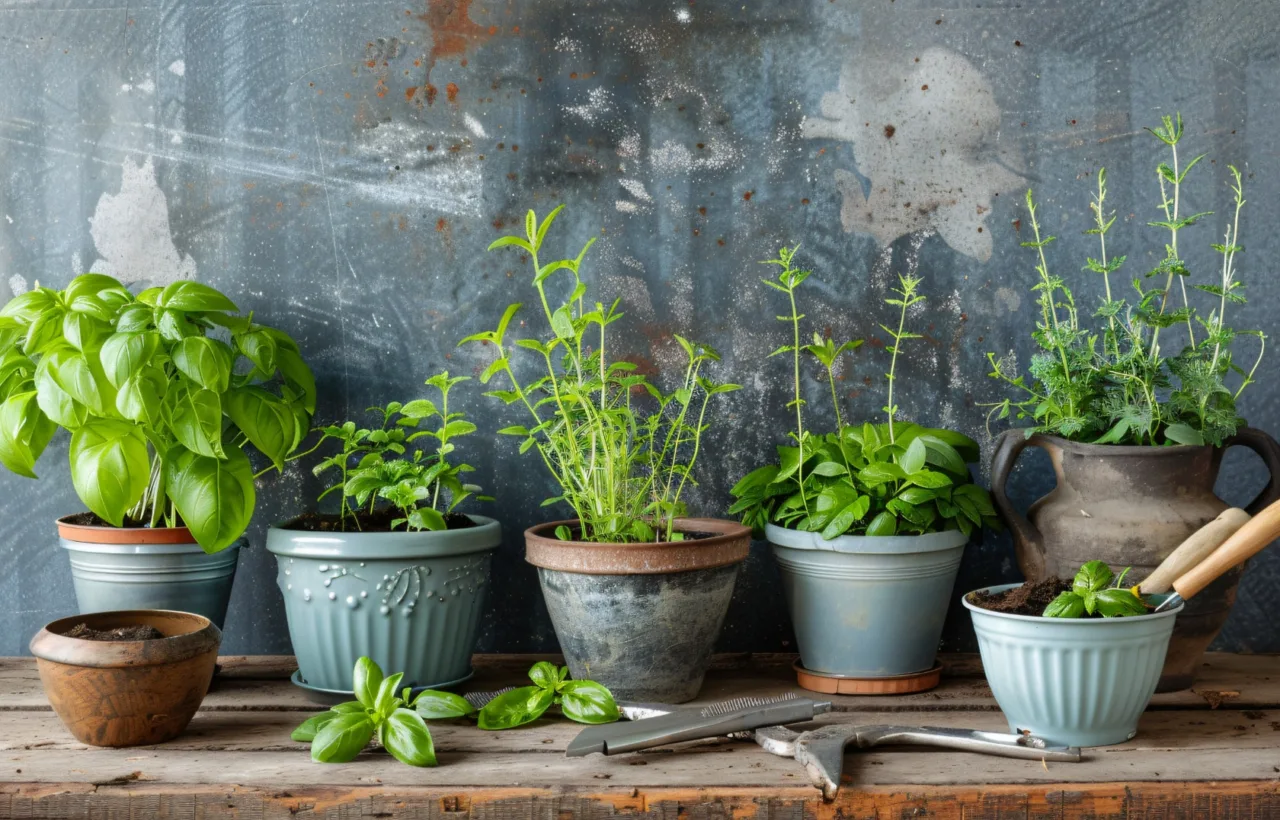
Match pot material to herb habits: use glazed planters for moisture-loving basil, and porous terracotta for drought-tolerant rosemary or thyme.
Size Matters More Than Looks
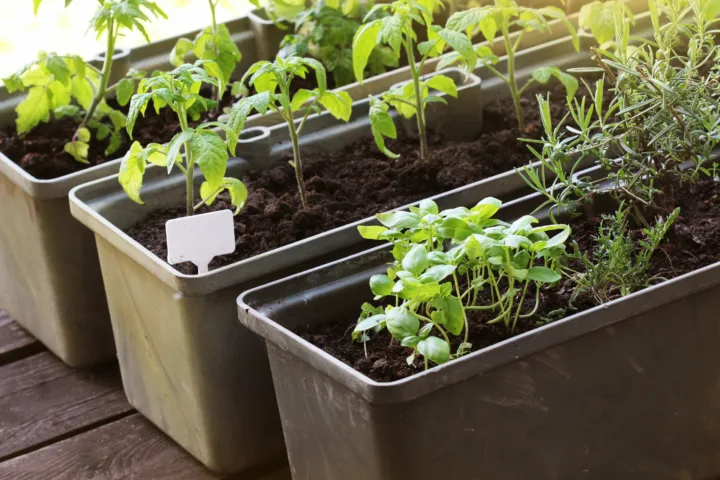
I aim for at least 6 to 8 inches deep. Better yet, 10 to 12 inches for longer-term plants like rosemary. Width counts too. Space seedlings 4 to 5 inches apart at minimum. Crowding stunts growth.
For single herbs I grab 8-inch pots. For mixed groups I use something wider, like a 12- to 16-inch tub or window box.
Materials I Actually Use
- Terracotta: Breathes well. Great for Mediterranean herbs that hate wet feet. Dries faster in heat, so I water more.
- Plastic or resin: Lightweight. Holds moisture longer. Perfect for balconies I move around.
- Galvanized metal: Food-safe if you drill holes. Looks sharp and lasts.
- Wood crates or barrels: Rustic and deep. I line the bottom with fabric so soil stays put.
- Upcycled tins or colanders: Free and fun. Just punch drainage holes.
Avoid anything without holes. Root rot kills more plants than cold ever will.
My Top Herb Container Garden Ideas for Planters
Here is what works on my patio and windowsill right now.
Vertical Pallet Garden
I found an old non-pressure-treated pallet. Lined the back with landscape fabric. Filled the slots with potting mix. Planted nine different herbs. Chalkboard labels keep me from mixing up the thyme and oregano.
It hangs on the fence. Takes almost no floor space. Water from the top and it trickles down. Perfect for small balconies.
Strawberry Jar Tiered Planter
Those pocketed terracotta pots designed for strawberries shine with herbs. I plant trailing thyme and oregano in the side holes. Upright chives or basil go on top. Looks full and Mediterranean without much effort.
Plant from the bottom up so you can reach the pockets. Water slowly so every level gets a drink.
Window Box on the Railing
I hooked a long box over the balcony rail. South-facing. Six hours of sun most days. Parsley, chives, and cilantro live there. Easy to harvest while cooking. The box stays stable with brackets.
If your railing is narrow, look for the kind that bridges both sides.
Stacked Crates
Three old wooden crates stacked and anchored. Each level holds a few pots. I group drought lovers on top (rosemary, sage, thyme). Moisture lovers go lower (basil, parsley). Looks intentional. Costs almost nothing if you scavenge.
Hanging Baskets
Wire baskets lined with coco fiber. Trailing mint or oregano spill over the edges. Upright chives sit in the center. Hang them where they get morning sun. I water every other day in summer. The height keeps them safe from pets.
Half Wine Barrel
One big statement planter. Holds five or six 4-inch starts with room to grow. I plant an Italian mix: basil, oregano, parsley, rosemary, and thyme. Deep soil means less frequent watering. Heavy, so I leave it in place.
Self-Watering Tubs
On busy weeks these save me. A reservoir in the bottom keeps soil moist for days. I still check weekly. Great for basil that hates drying out.
Simple Terracotta Cluster on a Stand
Five matching pots on a metal plant stand. Different heights. One pot each for mint (isolated so it cannot escape), basil, thyme, chives, and sage. Easy to rearrange. Looks tidy.
Upcycled Tin Cans
Clean soup cans. Nail holes in the bottoms. Paint the outsides if you want. Line them up on a sunny ledge. Best for single small herbs or starts. Cheap and cheerful.
Mixed Veg and Herb Bowl
Large double-walled planter. Herbs around the edges. A couple of cherry tomato plants or peppers in the center. They help each other. Herbs deter some pests. You get more harvest from one spot.
Best Herbs for Containers and How I Group Them
Not every herb plays nice together. I learned this after mint choked out my basil twice.
Drought-Tolerant Group (Full Sun)
- Rosemary
- Sage
- Thyme
- Oregano
- Lavender (if you have the room)
These like lean soil and less water. Plant them together in terracotta or metal.
Moisture Lovers (Morning Sun or Partial Shade in Heat)
- Basil
- Parsley
- Cilantro
- Chives
- Dill
Keep the soil evenly damp. Plastic pots help here.
The Aggressive Ones (Own Pot Only)
Mint. Lemon balm. Sometimes oregano if it gets pushy. Give them solo homes so they cannot invade.
Indoor winners for winter: chives, parsley, basil under a grow light or south window. I bring a few pots inside every fall.
Soil, Water, and Daily Care That Keep Things Alive
I use quality potting mix, never garden soil. Garden soil packs down and drowns roots. I mix in a handful of compost or worm castings for nutrients.
Water when the top inch feels dry. Stick a finger in. Containers dry faster than beds, especially terracotta or windy spots. In peak summer I water most days. In cooler weather, every few days.
Harvest often. Snip stems just above a leaf node. Never take more than a third of the plant at once. Regular cuts make bushier growth. I use the trimmings the same night.
Fertilize lightly every four to six weeks with a balanced liquid feed. Too much and you get leafy but weak flavor.
Common Mistakes I Made (So You Skip Them)
Tiny pots. I bought adorable ones once. Roots circled in weeks. Plants stayed stunted. Bigger is almost always better.
No drainage. One sealed decorative pot turned into a swamp. Roots rotted. Now I drill holes in everything.
Mixing needs. Basil and rosemary in the same pot fought over water. Separate groups by preference.
Ignoring sun. Most herbs want six hours minimum. I moved a shady corner setup and growth exploded.
Forgetting to label. I once cooked with the wrong herb. Chalkboard paint or wooden tags fixed that.
Frequently Asked Questions
What size planters work best for a herb container garden? I stick to pots at least 6 to 8 inches deep and wide enough for proper spacing. Larger ones need less daily attention and give roots room to expand.
Can I grow all my herbs together in one big planter? Yes, if they share the same water and sun needs. I keep drought lovers separate from moisture lovers. Mint always gets its own pot.
How often should I water herb container garden ideas planters? Check the soil. Water when the top inch dries out. In hot weather that might mean daily. Cooler days stretch it to every few days. Good drainage prevents overwatering.
Which herbs grow easiest for beginners in containers? Basil, chives, parsley, and thyme forgave my early mistakes the most. Start with those four and expand once they thrive.
Do I need special soil for container herbs? Regular high-quality potting mix works. I add a bit of compost. Avoid heavy garden dirt that holds too much water.
Final Thoughts From My Patio
I still lose a plant now and then. That is gardening. The difference now is I bounce back faster. My current setup gives me basil for pesto, thyme for roasted chicken, and mint for iced tea without leaving the house.
Pick one idea from this list. Start small. Use what you already own if you can. Drill those drainage holes. Give the plants sun and room. Harvest like you mean it.
Your kitchen will thank you. Mine does every single time I walk outside and snip something fresh.