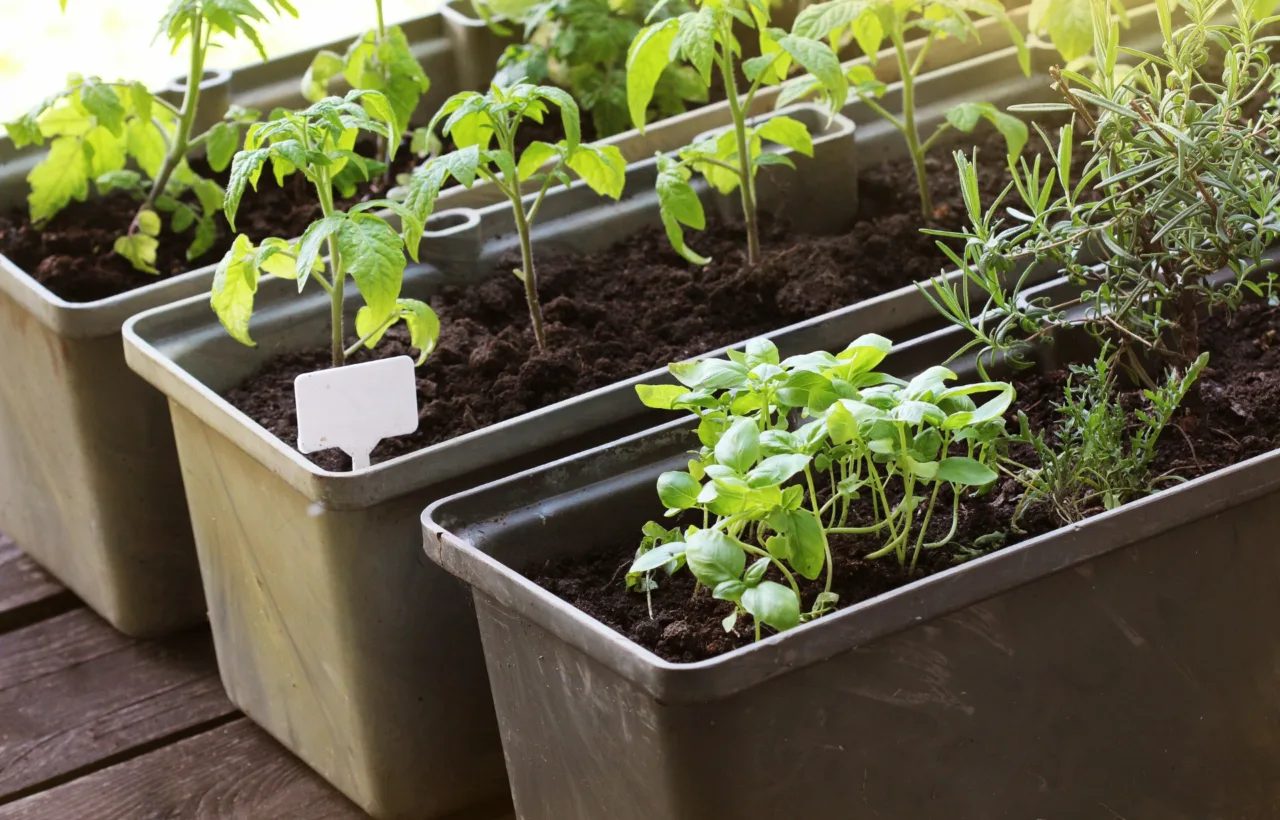

My first container vegetable garden was three tomato plants crammed into pots that were way too small, and by August every single one had stopped producing. That was five years ago on a Montreal balcony with maybe eight square feet of usable space.
A container vegetable garden turned out to be completely doable once I stopped guessing at pot sizes and started matching containers to what I was actually growing. I’ve since harvested tomatoes, peppers, lettuce, and beans from pots every summer since, and I want to walk you through exactly what I got wrong that first year.
Why a Container Vegetable Garden Works for Small Spaces
You don’t need a yard for this. That’s genuinely the whole point.
Whether you’re working with a balcony, a driveway, or a rented apartment with zero ground access, containers let you grow real food anywhere there’s sun. I’ve grown vegetables on a fire escape, a rooftop, and now a proper patio, and the principles barely change.
A few reasons this approach works so well:
- No soil quality issues: Skip contaminated urban soil or heavy clay entirely by using a proper potting mix instead.
- Better pest control: Fewer soil-borne diseases and weeds show up in containers compared to ground beds.
- Mobility: Move pots to chase sun or escape an early frost whenever needed.
- Cleaner harvesting: No mud, no kneeling in dirt, just pull a tomato off the vine and go.
Don’t assume you need a big yard to grow real food. A container vegetable garden on a tiny balcony can genuinely feed a household through summer.
Choosing the Right Container Size
Size is where most beginners, myself included, go wrong first. Too small a pot and roots get cramped, plants stress out, and production tanks by midsummer.
Container Size by Vegetable Type
Different vegetables need dramatically different amounts of root space.
- Small plants (lettuce, spinach, radishes, cilantro): A 2-gallon container with 4 to 6 inches of depth works fine.
- Medium plants (bush beans, herbs, peppers): Look for 3 to 5 gallon containers with 8 to 10 inches of depth.
- Large plants (tomatoes, eggplants, squash, cucumbers): Go with a minimum 5-gallon container, ideally larger, at 8 to 12 inches deep.
- Perennial crops (blueberries): Need at least a 24-inch diameter and depth container for long-term root development.
I planted a blueberry bush in a $30 half whiskey barrel two summers ago, filled with ericaceous compost since blueberries need acidic soil. That barrel is still going strong, and I got my first real harvest, about two cups of berries, the following July.
Best Container Materials
Material affects more than looks. It changes how often you water and how long the container lasts.
- Plastic: Lightweight, affordable, retains moisture well, though it becomes brittle over time.
- Ceramic: Attractive and heavy enough to resist tipping, but breakable and pricier.
- Wood: Great insulation for roots and a natural look, though untreated wood eventually rots.
- Fabric grow bags: Breathable, promotes healthy root growth, and folds flat for storage in winter.
I switched my tomatoes to a $8 fabric grow bag from a hardware store last spring, and honestly, the roots looked noticeably healthier at season’s end compared to the plastic pots I’d used before.
Best Vegetables for Container Gardening
Not every vegetable thrives in a pot, but plenty genuinely do. Stick to compact or dwarf varieties whenever possible, since they’re bred specifically for container life.
My reliable picks after years of trial and error:
- Tomatoes: Choose determinate or patio varieties like Tumbler or Patio Princess rather than sprawling indeterminate types.
- Peppers: Compact and productive, and they tolerate container life better than most vegetables.
- Lettuce and greens: Fast growing, shallow rooted, perfect for small 2-gallon pots.
- Bush beans: Don’t need staking like pole varieties, though pole beans work great along a railing or trellis.
- Herbs: Basil, chives, thyme, and oregano all thrive in containers, and some like mint genuinely prefer being contained.
I grew Tumbler cherry tomatoes in that $8 grow bag mentioned earlier, and had my first ripe tomato at almost exactly 65 days from transplant. Small plant, huge payoff, and honestly one of the most satisfying container harvests I’ve had.
Vegetables That Struggle in Pots
A few crops genuinely aren’t worth the container space.
- Corn: Needs wind pollination in groups, which rarely works well in a single pot.
- Large storage potatoes: Better suited to the ground or a dedicated potato grow bag, since they take up huge space for a modest yield.
- Sprawling squash varieties: Unless you choose a compact bush type, vining squash simply outgrows most containers.
Don’t waste your limited container space on crops that fight you the whole season. Stick with what’s actually bred for pots.
Container Vegetables at a Glance
Here’s a quick reference chart comparing minimum container sizes across common crops, useful for planning before you shop.
| Vegetable | Min Container Size | Depth | Sun Needed |
|---|---|---|---|
| Lettuce/greens | 2 gallon | 4–6 in | Partial sun |
| Bush beans | 3–5 gallon | 8–10 in | Full sun |
| Peppers | 5 gallon | 10–12 in | Full sun |
| Tomatoes | 5+ gallon | 10–12 in | Full sun |
| Blueberries | 24 in diameter | 24 in | Full sun |
| Herbs (basil, thyme) | 1–2 gallon | 6–8 in | Full to partial sun |
Screenshot this before your next nursery trip. It saves a lot of guessing about which pot actually fits which plant.
Soil and Watering for Container Vegetables
Regular garden soil is a mistake in containers. It compacts fast, drains poorly, and often brings weed seeds and pests along for the ride.
Use a high-quality organic potting mix instead, designed specifically for the drainage and aeration container roots need. I learned this the hard way after using leftover garden soil in year one, and every single plant sat in soggy, compacted dirt by July.
Watering needs more attention in containers than in ground beds, since limited soil volume dries out fast.
- Water when the top inch of soil feels dry to the touch, not on a rigid daily schedule.
- Expect to water daily during hot, windy stretches, especially for larger fruiting plants like tomatoes.
- Reduce watering frequency on cooler or cloudy days to avoid waterlogging roots.
- Add a slow-release fertilizer at planting, then supplement with liquid feed every couple of weeks during peak growth.
See, that daily watering commitment surprises a lot of first-time container gardeners. IMO it’s the single biggest adjustment coming from ground gardening, where soil holds moisture far longer.
Sun Placement and Microclimates
Most container vegetables need six or more hours of direct sun daily to produce well. Skimp on sun and you’ll get healthy green plants with disappointing yields.
Pay attention to microclimates around your space too, small pockets where conditions differ from the general area. An asphalt driveway, for example, holds heat longer than a grassy yard, which changes watering needs for anything sitting on it.
I moved my pepper containers onto a concrete patio slab two summers ago, and the extra retained heat pushed my harvest almost two weeks earlier than the previous year’s plants on grass.
Preventing Tipped Pots and Wind Damage
Container plants get top-heavy as the season progresses, especially tall tomatoes or trellised beans, which makes them vulnerable to tipping in strong wind.
I lost a $15 ceramic pot of peppers to a gusty afternoon on my driveway last summer. The pot cracked clean in half, and I spent an unplanned Saturday afternoon transplanting into a new container.
A few habits that prevent that now:
- Place taller or top-heavy containers in sheltered spots, away from open wind corridors.
- Weight the base of tall containers with stones or cinder blocks if wind is a recurring issue.
- Secure trellised plants like pole beans to a wall or railing rather than relying on a freestanding stake.
- Choose wider, heavier pots for tall crops instead of narrow ones that tip easily.
Don’t learn this the way I did, with a cracked pot and a wasted afternoon. Weight and shelter matter more than people expect until it happens to them.
Frequently Asked Questions
What vegetables grow best in a container vegetable garden? Tomatoes, peppers, lettuce, bush beans, and most herbs all perform well, especially when you choose dwarf or compact varieties bred specifically for pots.
How big should my container be for tomatoes? Use at least a 5-gallon container with 10 to 12 inches of depth, since tomato roots need real room to develop through the season.
Do I need special soil for a container vegetable garden? Yes, a high-quality organic potting mix works far better than regular garden soil, which compacts and drains poorly in containers.
How often should I water container vegetables? Check the top inch of soil daily during summer heat, and water whenever it feels dry rather than sticking to a fixed schedule.
Can I grow vegetables in containers without full sun? Some leafy greens tolerate partial sun, but most fruiting vegetables like tomatoes and peppers need at least six hours of direct sun to produce well.
Wrapping This Up
A container vegetable garden rewards a little planning way more than luck. Match your pot size to what you’re growing, use real potting mix instead of garden soil, and keep an eye on wind if your containers get tall.
That $8 grow bag of Tumbler tomatoes from last spring is already earmarked for another round this year. Grab a pot this weekend and plant something. Worst case, you learn what I learned, and next year’s harvest gets a whole lot better.