
I spent years staring at empty pots under my porch and thinking shade meant zero options. The reality hit hard when my sunny balcony plants started failing after I moved them to the darker side of the house. Shade planters ideas with container plants became my obsession because I refused to leave those corners looking dead. I wanted color, texture, and life without fighting the light every single day.
Honestly? I almost gave up twice. The first season I tried forcing sun lovers into partial shade and watched them stretch and fade. See, that taught me the hard way: the right container plants change everything. Now my shady spots look intentional and full. I share what worked for me so you can skip the trial and error.
Why Shade Containers Feel Different
Shade does not kill plants. It just demands different ones. Container plants in low light grow slower and need consistent moisture because the soil stays cooler and wetter longer. I learned this after drowning a few early attempts.
Partial shade means a few hours of morning sun. Full shade means almost none. Most of my success came from matching plants to the exact conditions. Containers give you control. You move them. You change the soil. You pick the right size pot so roots stay happy.
I use pots with drainage holes every time. Without them the roots rot fast in cooler shade. A good potting mix that holds some moisture but still drains ranks high on my list. I mix in a bit of compost for nutrients since shade plants rarely get the same energy boost from light.
My Favorite Shade Planters Ideas Using Container Plants
I stick to a simple formula that works every season. Thriller for height. Filler for bulk. Spiller for the soft edges. This approach turns a plain pot into something that looks planned.
Place the thriller slightly off-center in a round container, then repeat its foliage color in the filler for a more natural composition.
Thrillers That Stand Tall
These plants draw the eye upward. I place them in the center or back of the container.
- Hostas: The classic. Big leaves in blue-green or variegated patterns fill space fast. I keep mine in large pots so the roots have room. They handle deep shade better than almost anything else I have tried.
- Caladiums: Bright heart-shaped leaves with pink or white veins. These light up a dark corner. I treat them as seasonal stars in my zone and dig the tubers in fall.
- Japanese forest grass: Golden or striped blades that arch gracefully. It adds movement even on still days. I love how it softens the look of stiffer plants nearby.
Fillers That Add Body and Color
These sit in the middle layer and keep the pot from looking sparse.
- Coleus: Endless leaf colors and patterns. I pick ones with deep reds or chartreuse that pop against green. They grow quickly and need almost no sun. Pinch the tips and they stay bushy.
- Heuchera (coral bells): Scalloped leaves in purple, silver, or lime. Flower spikes appear later but the foliage carries the show. These hold up well in containers year after year in mild climates.
- Begonias: Both the leafy rex types and the flowering ones. Rex begonias bring wild patterns. Wax or dragon wing types give reliable blooms in shade. I water them when the top inch of soil dries.
Spillers That Soften the Edges
These cascade over the rim and make the whole arrangement feel finished.
- Creeping Jenny: Chartreuse trails that brighten everything. It spreads fast so I keep an eye on it. One plant softens two or three pots easily.
- Ivy or trailing torenia: Steady green or soft blooms that hang down. Torenia handles shade better than most flowering trailers I have tested.
- Sweet potato vine: Some varieties tolerate partial shade. The chartreuse or purple leaves spill nicely and grow with little fuss.
I mix one thriller, two or three fillers, and one or two spillers in a single large pot. The result looks full from day one. Smaller pots get one or two plants total so nothing feels crowded.
Real Combinations I Have Used Successfully
Here are a few exact pairings that worked on my north-facing porch and under the maple tree.
First combination: Tall hosta in the center. Surround it with purple heuchera and lime coleus. Edge the pot with creeping Jenny. The contrast between the bold hosta leaves and the fine trails creates depth. This one stayed strong all summer with weekly water checks.
Second combination: Caladium as the thriller. Fill with impatiens in pink and white plus a couple of ferns for texture. Spill with trailing ivy. The caladium leaves catch what little light reaches the spot and the impatiens keep blooming without demanding more sun.
Third combination: Japanese forest grass upright. Pair with rex begonia and a small fern. Let a bit of purple heart trail over the side. This one feels modern and calm. I placed it by the back door where I see it every morning.
I rotate a couple of these every year depending on what the nursery has in stock. The key stays the same. Choose plants that prefer the same water and light levels so no one struggles.
Keep creeping Jenny and trailing ivy trimmed; both can quickly cover neighboring plants and hide hosta, caladium, or fern foliage.
Practical Care Tips From My Own Mess-Ups
Watering shade containers requires a light touch. The soil stays damp longer so I check with my finger instead of a fixed schedule. Overwatering killed more of my early plants than anything else. In hot spells I still water more often because the pots heat up even in shade.
Fertilizer matters less than in sun. I use a diluted liquid feed every three or four weeks during the growing season. Too much and the plants get leggy. I prefer a balanced formula rather than high nitrogen that pushes soft growth.
Pests show up less in shade but slugs love hostas. I use copper tape around the pot rim or hand-pick them at dusk. Aphids sometimes hit the softer new growth on coleus. A quick spray of soapy water clears them without chemicals.
Winter protection depends on your zone. I move tender pots into an unheated garage or wrap the containers with burlap. Hardier perennials stay outside if the pot is large enough to insulate the roots.
Container size changes everything. Small pots dry out or heat up too fast. I aim for at least 12 to 14 inches across for mixed plantings. Bigger pots hold more soil and keep temperatures more stable.
Copper tape works only when slugs cannot bridge it through touching leaves, walls, or neighboring pots.
Choosing the Right Planters for Shade
Material affects temperature. Plastic holds moisture longer. Terra cotta dries faster and can crack in freeze-thaw cycles. I use glazed ceramic or resin for most of my shade setups because they look good and stay practical.
Color plays a role too. Lighter pots reflect a bit of heat. Dark pots absorb it. In deep shade this matters less but on a covered porch that gets afternoon warmth I still prefer medium tones.
Drainage holes remain non-negotiable. I raise pots slightly on feet or bricks so water escapes freely. Saucers stay empty most of the time to avoid standing water.
Grouping pots creates a stronger visual impact. Three or five containers of different heights look better than one lonely pot. I cluster them near seating areas or entryways so the shady zone feels inviting rather than forgotten.
Before filling glazed ceramic or resin pots, lift them empty; a shade container that cannot be moved is harder to rotate, shelter, or overwinter.
Expanding Beyond the Basics
Once the main pots look good I start experimenting with hanging baskets. Impatiens and trailing begonias fill them without needing much light. A single hanging basket under the eaves adds vertical interest without taking floor space.
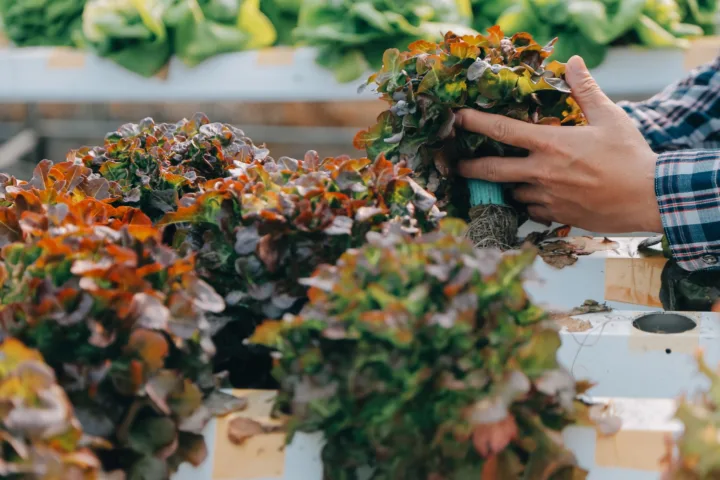
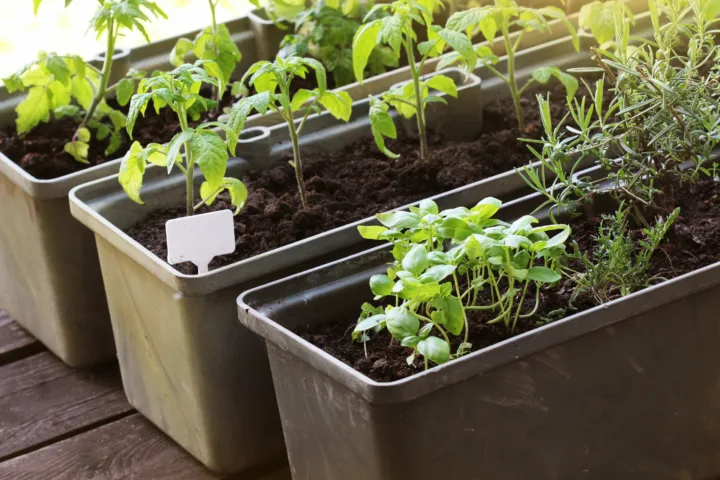
I also try a few edibles. Leafy greens like lettuce and kale handle partial shade in containers. Chives and mint do well too. They never replace the ornamental show but they give me something useful from the same low-light spots.
Ferns deserve their own mention. Boston ferns and autumn ferns bring a woodland feel. Their fronds softens hard edges of pots and walls. I keep the soil evenly moist and mist them on dry days. They reward me with steady green even when flowers fade.
Honestly? The biggest shift for me came when I stopped treating shade as a problem. It became a design opportunity. Darker corners hold cooler temperatures that many plants prefer once the summer heat hits. My sunny pots sometimes struggle in July while the shade ones keep looking fresh.
Grow mint in its own container, even in shade; its runners can overtake lettuce, kale, chives, or ornamental companions.
Frequently Asked Questions
What are the easiest shade planters ideas for beginners using container plants?
Start with coleus, impatiens, and creeping Jenny in a medium pot. These three handle low light well and give instant color and spill. Water when the top of the soil feels dry and you will see quick results.
How often should I water container plants in shade?
Check the soil every few days rather than following a calendar. Shade pots stay moist longer so you may water once or twice a week depending on heat and pot size. Always empty saucers so roots do not sit in water.
Can I grow flowering plants in full shade containers?
Yes. Impatiens, certain begonias, and torenia bloom reliably with very little direct sun. Focus on those instead of sun-dependent flowers and you still get color.
Do shade container plants need special soil?
A quality potting mix that drains yet holds some moisture works best. I avoid heavy garden soil because it compacts in pots. Adding a bit of compost gives a gentle nutrient boost without overfeeding.
How do I keep my shade planters looking full all season?
Pinch back leggy growth on coleus and begonias. Replace any plants that fade midsummer with fresh ones from the nursery. Consistent light watering and occasional feeding keep the arrangement balanced.
Shade planters ideas with the right container plants turn overlooked spaces into the quietest, most reliable parts of my outdoor setup. I still experiment every spring because the combinations never get boring. Pick a few of these plants, match them to your exact light levels, and give the pots a solid start with good drainage. Your shady corners will stop feeling empty and start feeling intentional. That shift alone makes the whole process worth it.