
I spent three seasons watching my lettuce turn bitter and bolt before I figured out containers were the fix I needed. Honestly? I almost gave up on growing greens at home. Now I harvest crisp leaves from my patio every week, and it all started with getting the lettuce growing container right.
See, backyard beds worked fine until summer heat hit or space got tight. Containers let me move plants into shade, control the soil, and keep pests at a distance. I learned the hard way that the container itself decides whether you get tender leaves or a sad, wilted mess.
Why Containers Beat Ground Planting for Lettuce
I used to think real gardeners only grew in the ground. That idea cost me a lot of wasted seed packets. Lettuce roots stay shallow. They spread sideways more than they dig down. A good container matches that habit perfectly.
Ground soil stays cooler longer, sure. But containers let me chase the right temperature. When the afternoon sun got brutal, I simply slid the pots under the patio table. No more bolting at the first warm spell.
I also avoided the usual garden pests that love munching on soft leaves. Slugs and rabbits still exist, but they have a harder time reaching a pot on a stand. FYI, that one change alone saved more plants than any spray ever did.
Picking the Right Lettuce Growing Container
Size matters more than fancy looks. I tested half a dozen options before settling on what actually works.
Depth and Width Rules I Follow Now
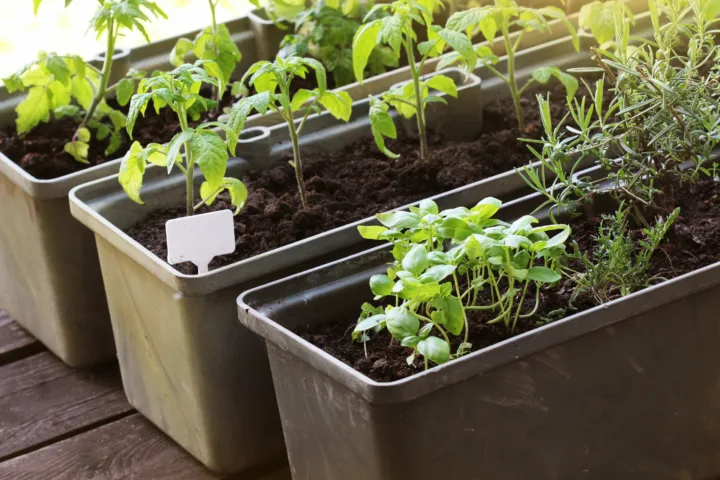
Lettuce needs at least 6 inches of depth. Leaf types thrive in that. Head-forming varieties do better with 8 to 12 inches. Width is where the real harvest comes from. A narrow deep pot wastes space. I go wide every time.
Here is the setup that finally gave me reliable results:
- 6 to 8 inches deep and 12 inches wide: Holds two or three leaf lettuce plants comfortably.
- 18 to 24 inch window box or trough: Feeds a household with weekly salads.
- Fabric grow bags around 5 gallons: Perfect for moving around and air-pruning roots.
I once tried a tall 14-inch pot thinking more soil equaled better growth. The plants stayed small and the soil stayed wet at the bottom. Shallow and wide won.
Materials That Actually Work
Plastic holds moisture longer. That helps on hot days when I forget to check. Fabric bags dry faster but keep roots cooler through evaporation. Terra cotta looks classic and breathes well, yet it needs daily watering in summer.
I avoid metal. It heats up fast and stresses the plants. Wood planters work if they are untreated and food-safe. Self-watering window boxes cut my watering chores in half. I still check the reservoir every few days, but the consistency is better.
Drainage holes are non-negotiable. I drill extra ones if the pot comes with only two. Standing water kills lettuce faster than drought.
Soil Mix That Keeps Roots Happy
Garden dirt fails in containers. It packs down and drains poorly. I learned that after one soggy disaster.
My current mix is simple and reliable:
- 60 percent quality potting soil made for vegetables
- 30 percent compost or worm castings
- 10 percent perlite for airflow
I stir it well and fill the container to about an inch below the rim. A light sprinkle of balanced organic fertilizer at planting time gives the seedlings a strong start. After that I feed lightly every two weeks with a diluted liquid fertilizer.
The soil should stay moist but never soggy. I stick a finger in the top inch. If it feels dry, I water thoroughly until liquid runs out the bottom holes. Fabric pots need more frequent checks. Plastic ones hold longer.
Water lettuce in the morning when possible, giving wet foliage and the container surface more time to dry before evening.
Best Lettuce Varieties for Containers
Leaf types win for me. They grow fast and keep producing when I harvest outer leaves. Head lettuce takes longer and needs more space per plant.
My go-to list:
- Black Seeded Simpson: Mild, quick, ready in about 45 days.
- Oak Leaf: Handles a bit more heat than most.
- Lollo Rossa: Pretty red edges and good texture.
- Muir and Jericho: Heat-resistant leaf types that resist bolting longer.
- Little Gem: Compact romaine that fits smaller pots.
I plant a mix of colors and shapes in the same wide container. The result looks better and tastes more interesting in a salad bowl. Seeds go on the surface or just barely covered. I thin seedlings to 4 inches apart for leaf types and 6 to 8 inches for heading ones.
Starting from seed costs less. Transplants from the nursery give a head start when I want salad sooner.
For truly endless salads, sow a small batch every two weeks rather than planting every container at once.
Light, Temperature, and Watering Habits
Lettuce loves cool weather. Ideal daytime range sits between 60 and 70 degrees. Above 80 it starts thinking about flowering and turning bitter. I give plants six hours of morning sun and afternoon shade once summer arrives.
Water is the make-or-break factor. Lettuce is mostly water itself. Dry soil means tough leaves. Overwatered soil means rot. I water when the top inch feels dry and aim for consistent moisture. In fabric bags that often means daily checks during heat waves.
Mulching the surface with a thin layer of straw or shredded leaves helps hold moisture and keeps soil cooler. I skip thick mulch that can trap too much wetness against the stems.
Mistakes I Made and Fixed
I overcrowded plants the first year. Leaves stayed small and disease moved in faster. Proper spacing fixed that.
I used garden soil once. Compaction and poor drainage followed. Now I stick to potting mix only.
I ignored heat. Plants bolted overnight. Moving containers into shade and choosing heat-tolerant varieties solved most of it.
I watered on a strict schedule instead of checking the soil. Some days the pots dried faster. Finger testing works better than any calendar.
Harvesting Without Killing the Plants
Leaf lettuce shines with the cut-and-come-again method. I snip outer leaves when they reach usable size and leave the center growing. Plants keep producing for weeks.
For full heads I wait until they feel firm and cut the whole plant at the base. Some varieties regrow a smaller second head if I leave a bit of stem.
I harvest in the morning when leaves are crisp and full of moisture. A quick rinse and spin in the salad spinner keeps them ready for the fridge. Fresh-picked lettuce tastes nothing like the bagged stuff from the store.
Frequently Asked Questions
What size lettuce growing container works best for beginners? A 12-inch wide pot that is at least 6 inches deep holds two or three leaf plants easily. Start there and expand once you see how much salad you actually eat.
Can I grow lettuce in a container indoors? Yes if you have a bright window or grow lights. Cooler indoor temperatures help, and you still need good drainage and consistent moisture.
How often should I water lettuce in containers? Check the top inch of soil daily. Water thoroughly when it feels dry. Hot weather and fabric pots usually need more frequent attention than plastic ones.
Do I need fertilizer for container lettuce? A light feeding every couple of weeks keeps growth steady. Too much nitrogen can make leaves soft and more prone to pests, so I stay moderate.
Why does my container lettuce taste bitter? Heat stress and bolting cause that. Move the pot to cooler shade, keep soil evenly moist, and harvest before the plant starts sending up a flower stalk.
I still experiment with new varieties and pot shapes every season. The basic rules stay the same. Wide shallow containers, quality potting mix, consistent moisture, and cool temperatures deliver the best results.
Grab a simple pot this weekend. Fill it with the right mix. Scatter a few seeds. In a month you will be cutting your own salad. That first bite of home-grown leaves makes every earlier failure worth it.