
I started growing lettuce in containers after years of watching store-bought heads wilt in my fridge within days. My first lettuce garden container sat on a tiny apartment balcony, and it changed how I eat salads forever. That setup taught me more about steady harvests than any full garden bed ever did.
Honestly? I failed a couple times before it clicked. The plants bolted fast in the heat. The soil dried out overnight. I almost gave up. Then I adjusted a few basics and the leaves kept coming. Now I pull fresh greens several times a week from the same pots.
You want the same results. This is exactly how I do it.
Choosing the Right Size and Shape for Your Lettuce Garden Container
Lettuce roots stay shallow. They spread sideways more than they dig deep. That one fact drives every container choice I make.
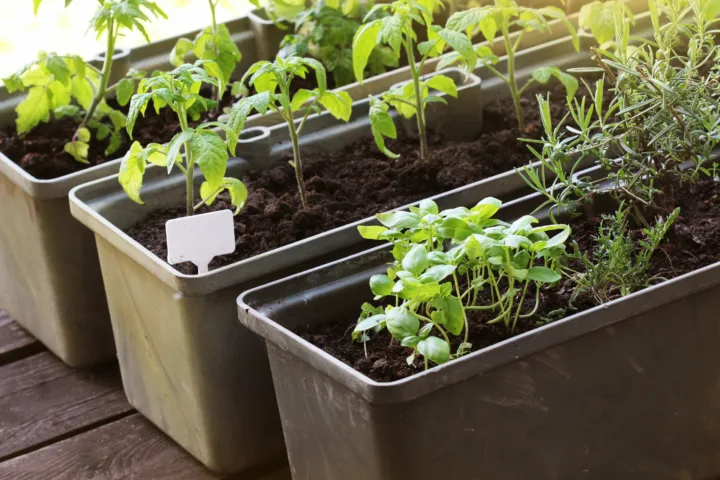
I go wide and keep the depth modest. A pot that is at least 6 inches deep works for most leaf types. Heading varieties prefer closer to 8 to 12 inches. Width matters more. A 12-inch-wide container holds two or three plants comfortably. A 18- to 24-inch trough or window box lets me grow a full salad’s worth at once.
Narrow deep pots waste space. I learned that the hard way with a tall ceramic cylinder that only fit one sad plant. Wide and shallow wins every time.
Materials That Actually Work
I have tried nearly every option. Here is what stays in rotation:
- Fabric grow bags: These keep roots cooler through evaporation. They air-prune roots so plants stay compact and healthy. I water them more often, but the growth is strong.
- Plastic or self-watering window boxes: They hold moisture longer. Great for busy weeks when I cannot check the soil every day.
- Terra-cotta pots: They look good and breathe well. They also dry out fast, so I only use them in cooler months or shady spots.
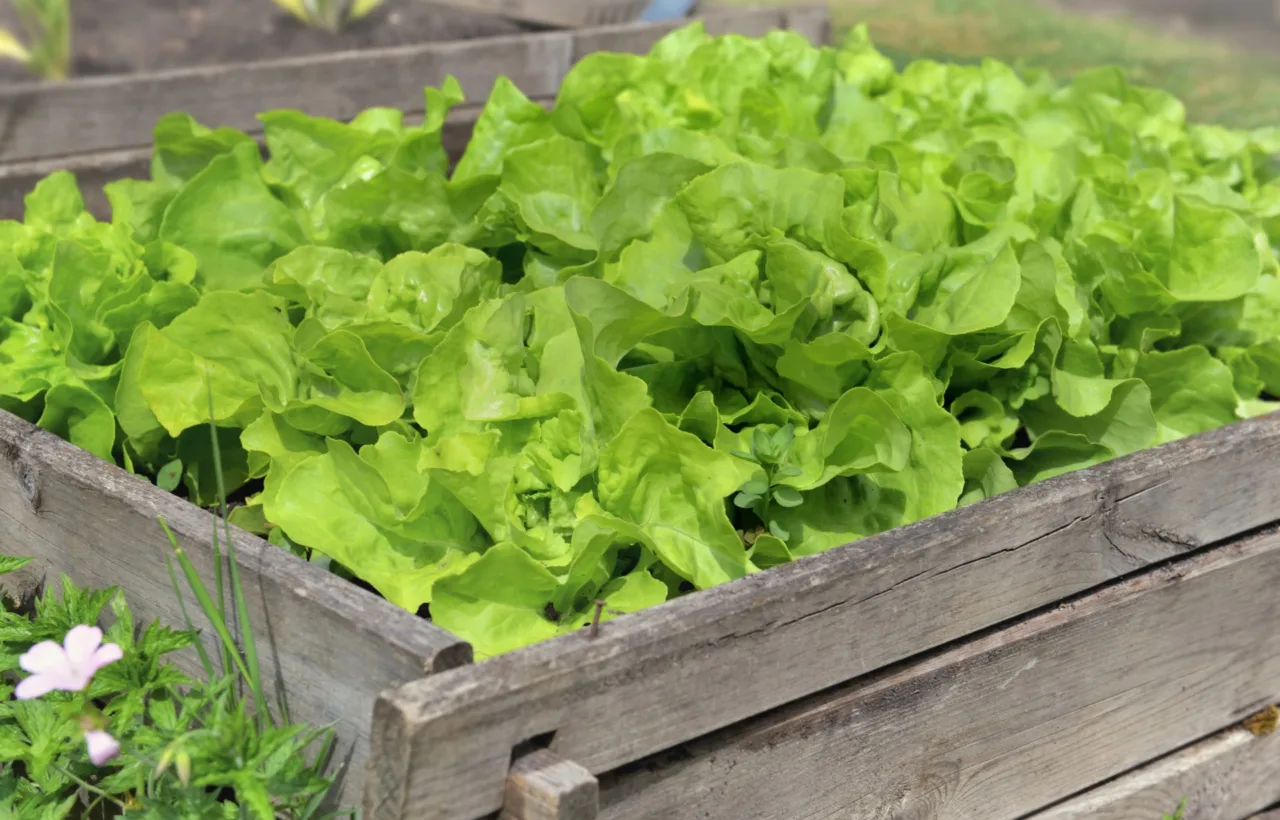
- Wooden planters: Untreated cedar lasts well and stays cooler than metal. I avoid anything pressure-treated.
Metal heats up fast and pushes plants to bolt. I skip it entirely for lettuce. Drainage holes are non-negotiable. If a container lacks them, I drill a few myself. Standing water kills roots faster than anything else.
Soil Mix That Keeps Lettuce Happy
Garden soil fails in containers. It packs down hard and drains poorly. I never use it.
My go-to mix is simple:
- 60 percent quality potting soil made for containers
- 30 percent compost or worm castings
- 10 percent perlite or vermiculite
This blend holds moisture without turning soggy. Lettuce is mostly water itself, so the roots need steady access without sitting wet. I mix in a slow-release organic fertilizer at planting time. A light liquid feed every couple of weeks during peak growth keeps leaves lush.
pH sits around 6.0 to 6.5. Most bagged mixes already hit that range. I do not overthink it.
Best Lettuce Varieties for Containers
Not every lettuce thrives in a pot. Loose-leaf types outperform heading varieties for continuous harvests. I stick mostly to cut-and-come-again kinds.
These have given me the best results:
- Black Seeded Simpson: Fast, mild, and reliable. Ready in about 45 days.
- Oak Leaf (green or red): Handles a bit more heat and keeps producing.
- Lollo Rossa: Frilly texture that looks fancy in a salad. Mild flavor.
- Muir and Jericho: Heat-resistant options that resist bolting longer than most.
- Little Gem: A mini romaine that stays compact and crisp.
I plant a mix of colors and leaf shapes in the same container. The visual variety makes the pot look intentional, and the flavors stay interesting. Heading types like full-size romaine or iceberg need more space and time. I grow those only when I have a larger trough available.
Succession sowing keeps the supply steady. I start a new batch every two to three weeks so something is always ready.
Planting Your Lettuce Garden Container Step by Step
I plant both seeds and transplants depending on the season. Seeds cost almost nothing and give me control.
Here is my exact process:
- Fill the container with the soil mix to about an inch below the rim. Water it well and let it settle.
- Scatter seeds lightly across the surface. Lettuce seeds need light to germinate, so I cover them with no more than ¼ inch of soil.
- Keep the surface moist until seedlings appear. A spray bottle works better than a heavy watering can at this stage.
- Once true leaves show, thin the plants. Leaf types go 4 to 6 inches apart. Heading types need 6 to 8 inches.
- Move the container to a spot with 4 to 6 hours of light. Morning sun and afternoon shade work best once temperatures climb.
Transplants speed things up. I set them a little deeper than they sat in their nursery pots and water them in thoroughly. Either way, I protect young plants from harsh afternoon sun for the first week.
Watering, Light, and Daily Care
Consistent moisture is the real secret. Lettuce in containers dries out faster than plants in the ground. I check the soil daily with a finger. When the top inch feels dry, I water until it runs out the drainage holes.
Fabric bags and terra-cotta need more frequent watering than plastic. In hot weather I sometimes water twice a day. Self-watering containers cut that chore almost in half.
Light needs balance. Full sun in cool spring weather is fine. Once daytime temperatures stay above 70°F, I shift pots into partial shade. Heat is the number one reason lettuce bolts and turns bitter. Moving the containers is the easiest fix I have found.
Pests stay manageable in pots. I watch for aphids and slugs. A strong spray of water knocks most aphids off. Beer traps work for slugs. Floating row cover keeps bigger bugs away without chemicals.
Harvesting for Continuous Yield
This is where containers shine. I never pull the whole plant unless it is a heading type I want to finish.
For leaf varieties I snip the outer leaves with clean scissors once they reach 4 to 6 inches. I leave the center growing point alone. The plant keeps producing for weeks. One solid planting can feed me salads for a month or more if I stay consistent.
Baby greens taste milder and tender. I harvest some young and let others grow larger for texture contrast. After a plant slows down, I pull it and drop a new seedling in its place.
Common Mistakes I Made and How I Fixed Them
I overcrowded my first pots. The plants competed and stayed small. Thinning early fixed that.
I used garden soil once. It compacted into concrete after a few waterings. Roots struggled and growth stalled. Potting mix solved it immediately.
I left pots in full afternoon sun during a heat wave. Everything bolted within days. Now I move containers or add temporary shade cloth without hesitation.
Watering only when plants looked wilted was another error. By then the stress had already set in. Daily checks prevent that.
Frequently Asked Questions
How deep does a lettuce garden container need to be? Six inches works for most leaf lettuce. Heading types do better with 8 to 12 inches of depth. Width is more important than extra depth.
Can I grow lettuce in a container indoors? Yes, if you give it strong light. A sunny south window or grow light for 10 to 14 hours a day keeps plants healthy. Keep temperatures cooler than most houseplants prefer.
How often should I water my lettuce garden container? Check daily. Water when the top inch of soil feels dry. Containers dry faster than garden beds, especially fabric or terra-cotta ones.
What is the best time of year to start a lettuce garden container? Cool seasons work best. Spring and fall give the longest harvest windows. In mild climates I keep succession plantings going nearly year-round by moving pots in and out of shade.
Do I need to fertilize container lettuce? A slow-release fertilizer at planting time covers most needs. I add a diluted liquid feed every two weeks during heavy production for extra leaf growth.
I still get a quiet satisfaction every time I walk out to the balcony and snip a handful of leaves for dinner. The flavor is sharper and the texture crisper than anything I buy. My lettuce garden container takes almost no space and almost no effort once the system is set. Start with one wide shallow pot, the right soil, and a couple of loose-leaf varieties. The first harvest will convince you to add more.