
I spent two summers killing basil before I figured out herb pots outdoor container gardening. Honestly? The third try nearly broke me. My patio looked like a sad herb graveyard. Then I stopped chasing perfect Instagram setups and started matching pots, soil, and herbs to real outdoor conditions. Everything changed.
You want fresh flavor steps from the kitchen door. You want pots that do not tip over in wind or bake roots in July heat. I get it. I live it every season on a small balcony that gets hammered by afternoon sun. This is the exact approach I use now. No fluff. Just what keeps my rosemary, thyme, and chives going strong.
Choosing the Right Herb Pots for Outdoor Container Gardening
Size matters more than looks. I learned that the hard way with cute six-inch pots that dried out by noon.
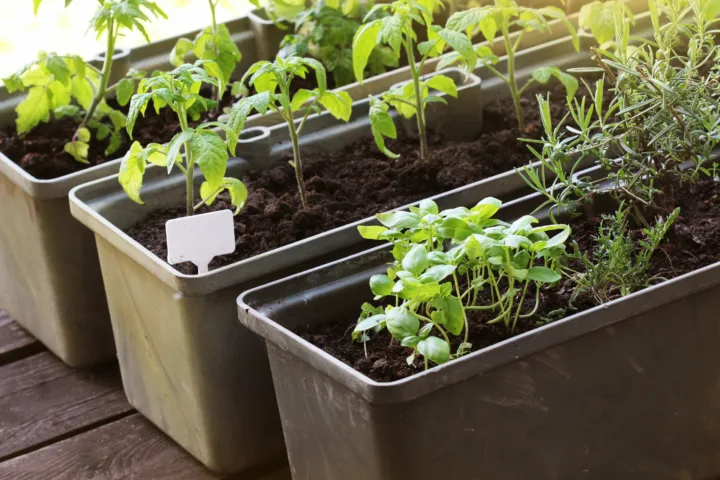
Most herbs need room for roots. A single basil plant wants at least an 8- to 12-inch diameter pot. Rosemary and sage need more. I give them 12- to 14-inch pots or larger. For mixed groups of three to five herbs, I go with a 16- to 18-inch container. Think half-barrel size. Depth should hit 8 to 10 inches minimum. Shallow pots bake the soil too fast.
Material changes everything outdoors.
- Terracotta: Breathable. Roots stay cooler. Soil dries faster, which Mediterranean herbs love. Downside? Heavy and breakable. I use it for thyme and oregano in milder spots.
- Plastic or resin: Lightweight. Holds moisture longer. Perfect for hot, windy balconies. I moved most of my basil into plastic after losing two plants to sudden dry-outs.
- Glazed ceramic: Pretty and insulated. Heavier than plastic but slower to heat up. Good middle ground if you can lift them.
- Wood or half-barrels: Look natural. Hold multiple plants well. Just make sure the wood is untreated or food-safe.
Drainage holes are non-negotiable. I drill extra ones if a pot only has one tiny hole. Elevate pots on feet or bricks so water can escape. Saucers are fine if you empty them after rain. Standing water kills herbs faster than drought.
FYI, I avoid anything without drainage. Pretty pots without holes become plant coffins.
Group herbs by thirst: keep basil and parsley together, but give rosemary, sage, thyme, and oregano separate pots or matching dry conditions.
Soil Mixes That Do Not Fail Me
Garden dirt fails in pots. It compacts. Roots drown or starve for air.
I use a premium potting mix every time. Then I lighten it. My go-to blend:
- Two parts quality potting mix
- One part perlite or coarse sand
- A handful of compost or worm castings for nutrients
This drains fast yet holds enough moisture. Mediterranean herbs (rosemary, thyme, oregano, sage) want it even leaner. I add extra grit for them. Basil and parsley get a slightly richer mix because they drink more.
Never pack the soil tight. Fluff it. Leave an inch or two of space at the top for watering. I check drainage by watering a new pot and watching how fast excess runs out the bottom. If it sits, I add more perlite.
Avoid fine builder’s sand in the blend: it can fill air pockets and recreate the compaction problem this container mix is designed to prevent.
Best Herbs for Outdoor Pots (The Ones That Actually Deliver)
Not every herb thrives in a pot outdoors. Some sulk. Some take over. I stick to proven winners for my sunny patio.
Mediterranean Workhorses
These handle heat and dry spells once established.
- Rosemary: Tough as nails. Needs full sun and excellent drainage. I keep it in a large terracotta pot. Harvest the tips often to keep it bushy.
- Thyme: Low and trailing. Perfect for pot edges. Dries out between waterings without complaint.
- Oregano: Spreads but stays contained in a pot. Flavor intensifies in heat.
- Sage: Silver leaves look sharp. Same dry preferences as the others.
Thirstier but Reliable
These need more consistent moisture.
- Basil: My summer staple. Pinch the tops weekly or it bolts. I grow Genovese and Thai in separate plastic pots.
- Parsley: Curly or flat-leaf. Partial shade in the hottest afternoons helps.
- Chives: Cut-and-come-again. Pretty purple flowers too. Small pot works fine.
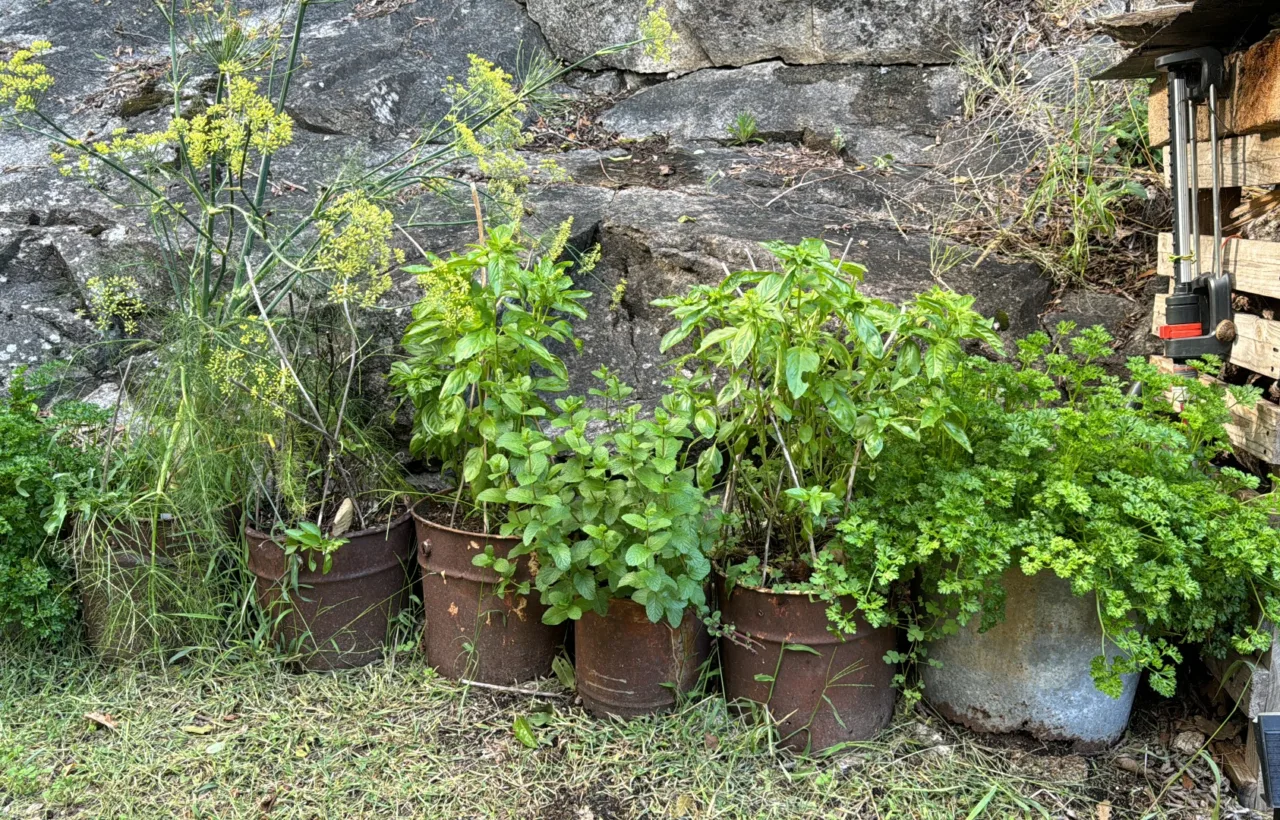
- Mint: Contain it or it owns your patio. Separate pot only. Keeps it from invading everything.
Cilantro and dill bolt fast in heat. I succession plant them in smaller pots and accept a short harvest window.
Group plants with matching needs. Sun lovers together. Moisture lovers together. Mixing rosemary with basil in one pot creates constant watering fights. I tried it. Both suffered.
Sunlight and Placement Realities
Most herbs demand 6 to 8 hours of direct sun. My balcony delivers that in the morning and early afternoon. Late afternoon gets brutal in summer, so I shift sensitive pots into light shade then.
Hot climates change the rules. Afternoon shade saves basil and parsley from wilting. Cooler regions can handle full exposure all day.
Wind matters too. Tall pots tip. I group them for mutual shelter or use heavier materials. A simple plant stand adds height without crowding the floor. I keep the most-used herbs closest to the kitchen door. Fresh snips while cooking beat dried any day.
My Actual Planting Routine
I start in spring after the last frost threat. Seedlings from the nursery beat seeds for most herbs. Faster results.
- Fill the pot two-thirds with the soil mix.
- Place the plant so the top of its root ball sits about an inch below the rim.
- Backfill gently. Firm lightly with fingers, never stomp.
- Water thoroughly until it runs out the bottom.
- Add a thin layer of mulch (bark chips or gravel for dry herbs) to slow evaporation.
Space plants 4 to 8 inches apart in shared pots. Crowding invites disease and competition.
Harvest early and often. Snipping encourages bushier growth. I never take more than one-third of the plant at once.
Watering Without the Drama
Containers dry out faster than ground soil. I check the top inch with a finger. Dry? Water. Wet? Wait.
Morning watering works best. Leaves dry before night. Hot spells mean daily checks, sometimes twice. Plastic pots need less frequent water than terracotta. I group pots so one hose pass covers several.
Overwatering shows as yellow leaves and soft stems. Underwatering shows as crispy edges and wilting that does not recover overnight. I erred on the dry side for Mediterranean herbs and the moist side for basil. Balance comes with observation.
Fertilizer stays light. A diluted liquid feed every three to four weeks during peak growth is enough. Too much and herbs get leggy with weaker flavor.
Mistakes I Made (So You Skip Them)
I bought tiny decorative pots. Roots had nowhere to go. Plants stalled.
I used garden soil. It turned to concrete. Drainage failed.
I mixed mint with everything. It swallowed the basil.
I ignored drainage holes. Root rot took two rosemary plants in one week.
I planted in pure shade. Flavor faded. Growth slowed to nothing.
See the pattern? I chased convenience over plant needs. Once I matched pot size, material, and location to the herb, survival rates jumped. Flavor did too.
Frequently Asked Questions
What size pot works best for most herb pots outdoor container gardening setups? I reach for 8- to 12-inch pots for single plants and 16-inch or larger for mixes. Bigger buffers heat and watering mistakes better than small ones.
Can I leave my outdoor herb pots outside all winter? Hardy perennials like rosemary, thyme, and sage can stay out in mild zones if the pot is large enough to protect roots. In colder areas I move them to a sheltered spot or garage. Annuals like basil die with the first hard freeze.
How often should I water outdoor container herbs? Check daily in hot weather. Water when the top inch of soil feels dry. Frequency depends on pot material, size, and sun exposure. My plastic basil pots need water almost every day in July. Terracotta thyme can wait longer.
Do terracotta pots work for herb pots outdoor container gardening in hot climates? Yes for dry-loving herbs, but they demand more attention. Soil dries fast. I switch to plastic or glazed options when temperatures stay above 90 degrees for weeks.
Which herbs are easiest for beginners in outdoor pots? Chives, thyme, oregano, and mint (in its own pot). They forgive irregular watering and still produce usable harvests.
I still lose the occasional plant. Weather wins sometimes. But the system I use now gives me consistent harvests from spring through fall. Fresh pesto in August tastes better when the basil came from a pot I kept alive myself.
Start simple. One good pot. One reliable herb. Watch how it responds. Adjust from there. Your patio will smell better. Your cooking will taste better. And you will stop mourning dead plants every July.
That is the real win.