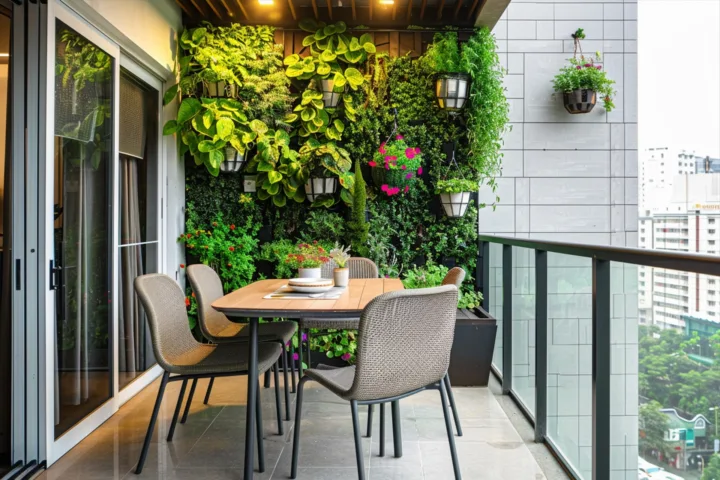
I turned my bare, windy balcony into a productive balcony vertical garden last spring. It started as pure frustration. I lived in a third-floor apartment with zero yard and a railing that felt more like a cage than an outdoor space. Every time I walked past the grocery store herb section I felt a little defeated. Store-bought basil never lasted more than a week in my fridge. I wanted fresh leaves right outside my door.
Honestly? I almost gave up before I started. The space measured maybe six feet by four. Sun hit only one corner for a few hours. Building rules banned drilling into walls. I thought vertical gardening was for people with fancy setups and bigger budgets. Then I tried it anyway. What followed surprised me.
I grew herbs, greens, and even a few cherry tomatoes without taking over the floor. The whole thing cost less than a couple of restaurant dinners. And it made my mornings better. Here’s exactly how I did it, what worked, what flopped, and what I’d tell any friend starting the same project.
Why I Chose a Balcony Vertical Garden Over Regular Pots
Floor space was the first problem. A couple of big pots already felt crowded next to my tiny bistro set. Vertical made sense because it used the air above the floor instead of fighting for it.
I noticed three clear wins right away. First, more plants in less footprint. Second, easier harvesting. Everything sat at eye or hand level. Third, better air flow around the leaves, which cut down on the fungal issues I used to get with crowded ground pots.
See, I used to think vertical just meant fancy living walls with irrigation systems. That’s one option. But simple freestanding setups or railing hangers work fine for most of us. I went the freestanding route because of the no-drill rule.
Weight mattered too. Wet soil gets heavy fast. I stuck to lightweight plastic and fabric planters so the balcony structure stayed happy. Building management never complained once I showed them the setup.
Assessing My Balcony Before Buying a Single Plant
I spent a week just watching the light. Morning sun hit the left side. Afternoon glare bounced off the neighboring building. Wind whipped through most afternoons. That observation saved me from buying the wrong plants.
Mark morning-sun, reflected-afternoon-heat, and windy zones separately, then place tender plants in the most sheltered zone before shopping.
Light Levels Dictate Everything
South or west facing balconies get the strongest light. Mine sat more east-facing with some afternoon bounce. That meant leafy greens and herbs thrived. Fruiting crops needed the brightest spots.
I marked the sunny corner with chalk. Anything that needed six hours went there. Shade-tolerant stuff filled the rest.
Wind and Weight Reality Check
High balconies dry out soil faster. I learned that the hard way when my first basil dried to a crisp in two days. Solution: choose sturdier plants and water more often, or add a simple fabric screen as a windbreak.
Weight limits vary by building. I kept total wet weight under what the railing and floor could handle by using smaller containers and lighter mixes. Always check your own rules first.
The Systems I Actually Tried for My Balcony Vertical Garden
I tested three approaches. One flopped. Two stuck.
Freestanding Towers and Stacked Planters
These sit on the floor and climb upward. I bought a basic three-tier plastic tower for about forty bucks. It held twelve small pots. Easy to move when the wind got crazy. Drainage holes at the bottom kept roots from rotting.
I liked how the tiers caught different light levels. Top shelf for sun lovers. Bottom for shade ones.
Railing and Hanging Options
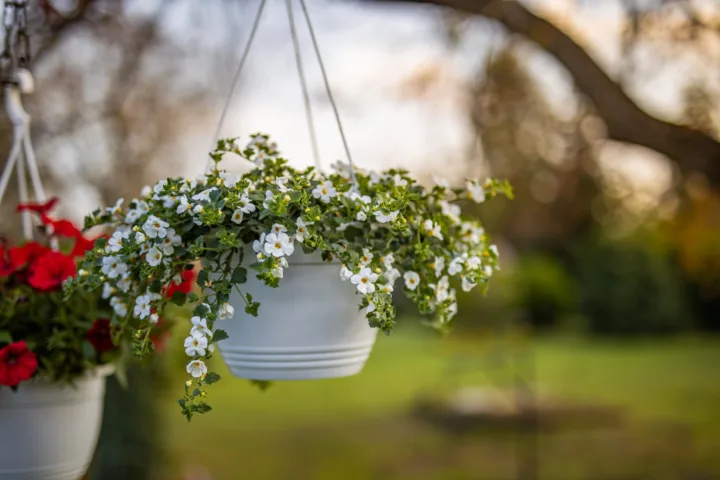
Rail planters clipped right on without tools. I used them for trailing strawberries and nasturtiums. Hanging baskets from the ceiling hooks (already there) worked for herbs I grabbed daily. Basil and mint lived there.
One warning: strong wind can swing hanging baskets hard. I switched to heavier pots after the first storm.
DIY Shelf and Clip Setup
My favorite ended up being a simple wooden frame I built from scrap. Three vertical posts, three horizontal bars, and pot clips that held six-inch containers. The base was a shallow box filled with soil for lettuce. Total cost under thirty dollars because I scavenged wood.
It stood on its own. No wall damage. I could rotate the whole thing toward the sun. That flexibility beat every store-bought system I tried.
Plants That Actually Survived My Balcony Conditions
I killed a few. Then I got smarter.
Herbs That Forgave My Mistakes
Basil, thyme, oregano, and chives became the core. They handled inconsistent watering better than fancy varieties. Mint went in its own pot because it spreads like crazy. Parsley and cilantro liked the cooler spots.
I planted them in the middle tiers so I could snip without bending.
Leafy Greens for Quick Wins
Lettuce mixes, spinach, and kale filled the lower levels. They matured fast. I harvested outer leaves and let the centers keep going. Arugula added a peppery kick I never bought at the store anymore.
Fruiting and Climbing Attempts
Cherry tomatoes worked once I gave them a small trellis and the brightest corner. One plant produced more than I expected. Cucumbers needed more space and support than I had, so I dropped them after one season. Pole beans did better on a simple string trellis against the railing.
Succulents and a few trailing flowers filled visual gaps. They needed almost no attention.
Here’s the short list that performed best for me:
- Basil and Thai basil
- Oregano and thyme
- Chives
- Leaf lettuce and spinach
- Kale
- Cherry tomatoes (determinate types)
- Strawberries in hanging pots
- Nasturtiums for color and edible leaves
Soil, Watering, and Daily Care That Kept Things Alive
Container soil drains faster than garden beds. I mixed a lightweight potting blend with some compost. Never used heavy garden dirt. It compacted and drowned roots.
Watering became the biggest chore. Hot days meant morning and evening checks. I stuck my finger in the soil. Dry two inches down meant water time. Self-watering pots helped on travel weeks.
Fertilizer stayed simple. Diluted liquid feed every two weeks during peak growth. Too much burned the leaves. I learned that after one overenthusiastic session.
Pests stayed minimal because everything sat off the ground. Aphids showed up once on the kale. A strong spray of water knocked them off. No chemicals needed.
Mistakes I Made So You Don’t Have To
I overcrowded the first tower. Plants shaded each other and stayed leggy. Thinning fixed it.
I ignored drainage on one set of pots. Root rot took two basil plants. Now every container has holes and a saucer.
I chased “pretty” plants instead of tough ones. Fancy purple basil looked great for a week then quit. Standard green varieties outlasted them.
Wind tipped a tall setup once. Wider bases or lower centers of gravity solve that.
Budget creep hit early. Fancy kits looked tempting. Simple plastic and wood performed just as well.
How the Balcony Vertical Garden Changed My Routine
Mornings started with a coffee and a quick harvest. Fresh basil on eggs. Chives on everything. Salad leaves that actually tasted like something.
Neighbors started asking questions. One borrowed my pot-clip idea. Another tried the same freestanding tower.
IMO the real win wasn’t the food. It was the daily contact with something growing. City life can feel concrete-heavy. Green leaves right outside the door fixed that more than I expected.
Cost stayed low after the initial setup. Seeds and a few starts each spring kept it going. I spent less on store herbs within two months.
Frequently Asked Questions
How much sun does a balcony vertical garden really need? Most herbs and greens do fine with four to six hours. Fruiting plants want more. Track your light for a few days before buying anything.
Can I set up a balcony vertical garden if my building bans drilling? Yes. Freestanding towers, railing planters, and free-standing DIY frames work without touching the walls or ceiling. Check weight rules instead.
What’s the easiest plant to start with in a balcony vertical garden? Basil or leaf lettuce. Both grow fast, forgive beginner mistakes, and give you something usable quickly.
How often do I need to water? Daily in hot windy weather. Every other day when it’s cooler. Finger test the soil. Don’t guess.
Will the weight of wet soil damage my balcony? Not if you stay light. Use plastic or fabric containers and avoid massive ceramic pots. Spread the load and stay under your building’s limits.
I still check the garden every morning. Some plants fail. Others surprise me. The setup stays simple on purpose. No automatic irrigation. No complicated sensors. Just soil, water, light, and attention.
If your balcony feels too small or too exposed, start with one tier or a couple of railing planters. Grow three herbs you actually cook with. Watch what happens. Adjust next season.
That’s how I went from frustrated renter to someone who walks outside and picks dinner ingredients. The balcony vertical garden didn’t need perfection. It just needed me to stop overthinking and plant something.