I started growing dill in a container after too many store-bought bunches turned limp and flavorless in my fridge. Fresh dill changes everything in potato salad, fish, and pickles. I live in a small place with no yard, so pots became my only option. What began as a single experiment on the balcony turned into a steady supply that lasts through the warm months. This guide shares exactly what worked for me, the mistakes I made early on, and the simple habits that keep the plants productive.
I plant dill every spring now. The process feels straightforward once you respect the plant’s long taproot and its love of sun. Follow these steps and you will cut fresh fronds whenever you need them.
Why Containers Work So Well for Me
I used to think dill belonged only in big garden beds. Then I tried a deep pot and never looked back. Containers let me control soil quality, move plants out of harsh wind, and harvest right by the kitchen door. Dill grows fast. One healthy plant in a good pot gives me more leaves than I can use in a week.
Space is limited for many of us. A balcony or sunny windowsill is enough. I keep three pots going at different stages so something is always ready to snip. That continuous supply is the real win.
Choosing the Right Container When Growing Dill in a Container
Depth matters more than anything else. Dill sends down a long taproot. Anything shallower than 12 inches leaves the roots cramped and the plant stressed. I learned this the hard way with a pretty but shallow ceramic pot. The seedlings looked fine for two weeks, then stalled and bolted early.
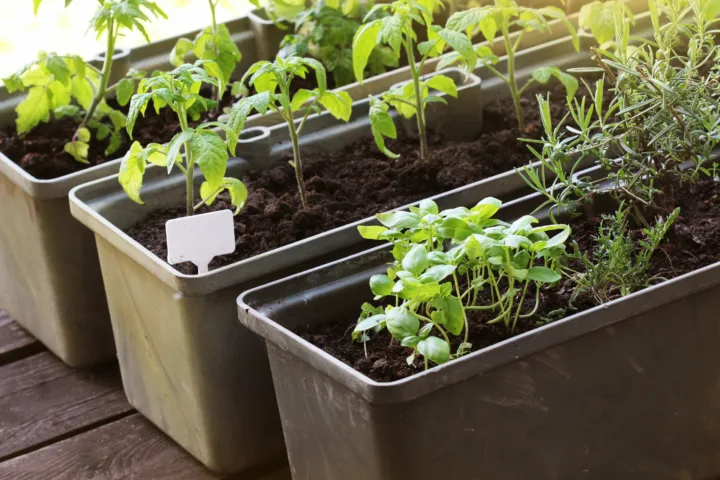
I now use pots that measure 12 to 16 inches deep and at least 10 to 12 inches across. One plant fits comfortably in a 10-inch diameter pot. For two or three plants I go wider. Drainage holes are non-negotiable. Waterlogged roots kill dill faster than anything else.
Material is flexible. Terra cotta dries out a bit faster, which helps in humid weather. Plastic holds moisture longer and stays lighter if you need to move pots around. I use both. Grow bags work too if you want something portable and breathable.
Here is what I look for every time:
- Minimum 12-inch depth
- Drainage holes at the bottom
- Stable base so tall plants do not tip in wind
- Light color if the pot sits in full afternoon sun (dark pots heat up too much)
I skip fancy self-watering containers. Dill prefers the soil surface to dry slightly between waterings.
Measure the container’s interior depth, not its advertised size, because tapered pots may provide less root space than their top diameter suggests.
The Soil Mix That Keeps Roots Happy
Garden soil from the yard is too heavy. It compacts and holds water in ways that rot the taproot. I always start with a quality potting mix made for containers. Then I lighten it further.
My current mix is simple:
- Two parts standard potting mix
- One part perlite or coarse sand
- A handful of well-aged compost
This blend drains freely yet holds enough moisture for steady growth. The pH sits between 5.5 and 6.5, which dill likes. I never add fertilizer at planting time. Too much nitrogen makes the stems soft and the flavor weaker.
I fill the pot to within an inch of the rim. That space keeps water from spilling over the sides when I water.
How I Plant the Seeds
Dill hates transplanting. The long taproot breaks easily and the plant often never recovers. I sow seeds straight into the final container. No seed trays. No peat pots.
Timing is flexible. I wait until nighttime temperatures stay above 50°F. In my area that means mid-to-late spring. I also sow a second batch in early summer for a fall harvest. Seeds germinate in 7 to 14 days when the soil stays around 60–70°F.
I scatter 4 to 6 seeds across the surface, then cover them with a quarter-inch of mix. A gentle press settles them without packing the soil. I mist until the surface is evenly moist and keep it that way until the seedlings appear.
Once the plants reach 3 inches tall I thin them. I cut the weaker ones at soil level with scissors instead of pulling. Pulling disturbs the roots of the keepers. I leave one strong plant in a 10-inch pot or two plants in a larger one, spaced about 6 to 8 inches apart.
For continuous leaf harvest, sow a fresh small batch every three to four weeks rather than relying only on the first sowing.
Sunlight and Placement That Prevent Leggy Growth
Dill wants full sun. I give mine 6 to 8 hours of direct light every day. Less than that and the stems stretch, the leaves thin out, and flavor fades. My balcony faces south. That works perfectly.
On very hot days above 85°F the plants start thinking about flowers. I move the pots into partial afternoon shade when the heatwave hits. That small shift delays bolting by a couple of weeks. Wind is another issue. Tall dill can flop. I tuck the pots against a wall or give them a thin bamboo stake once they pass 12 inches.
Indoors I have tried a sunny windowsill with mixed results. The light is rarely strong enough without a grow light. If you go the indoor route, keep the light 6 inches above the foliage for 14 hours a day. Even then outdoor pots outperform.
Watering and Everyday Care
I water when the top inch of soil feels dry. In cool weather that means every 3 or 4 days. In full summer heat it can be daily. I water deeply until it runs out the drainage holes, then let the pot drain fully. Soggy soil is the enemy.
A thin layer of mulch helps. I use shredded leaves or fine bark. It slows evaporation and keeps the roots cooler. I skip plastic mulch. It traps heat and moisture in the wrong places.
Fertilizer stays light. Once a month I give a half-strength liquid feed. Anything stronger pushes soft growth that attracts aphids. I check the underside of leaves every few days. Aphids love dill. A quick spray of water or insecticidal soap handles them before they take over.
Harvest dill just before flowering for the strongest leaf flavor, then allow a few flower heads to mature if you want seeds.
Varieties I Actually Grow
Standard dill can reach 3 to 4 feet and needs more space. For containers I stick with compact types.
Fernleaf stays under 18 inches. The leaves stay tender longer and the plant bolts slower. I grow this one most often on the balcony.
Bouquet grows a bit taller and produces plenty of seed heads if I want them for pickling. It still fits a deep pot.
Dukat gives me dense foliage and a strong flavor. I try one new variety each year just to compare.
I buy fresh seed every season. Old seed germinates poorly.
Harvesting Without Killing the Plant
I start snipping when the plants reach 6 to 8 inches. I take the outer leaves and leave the center growing point alone. Cutting encourages bushier growth. I never remove more than a third of the plant at once.
For seed I let a few plants flower. The yellow umbels dry on the plant. I bag them and shake out the seeds for next year or for pickling spice. Fresh leaves taste brighter than dried ones, so I use most of the harvest right away. Extra leaves go into ice-cube trays with a little water and freeze well.
Common Problems and How I Fixed Them
Bolting happens when the plant feels stressed by heat, crowded roots, or irregular water. Deep pots and consistent moisture slow it down. Once flowers appear the leaf flavor changes. I still use the flowers in salads.
Yellow lower leaves usually mean too much water or not enough sun. I adjust and the new growth comes back green.
Aphids and caterpillars show up some seasons. Hand-picking and a strong spray of water keep numbers low. Ladybugs help too if I can attract them.
Honestly? The biggest mistake I made early was choosing pretty pots that were too shallow. Once I switched to deeper containers everything improved.
Frequently Asked Questions
Can I grow dill in a container year-round? In mild climates yes. In colder areas I bring one pot indoors under a grow light for winter, though the plants stay smaller. Most of my production still happens outdoors in the warm months.
How often should I water when growing dill in a container? Check the top inch of soil. Water thoroughly when it feels dry. Frequency changes with weather, pot size, and sun exposure. Overwatering is more dangerous than underwatering.
Does dill need fertilizer in pots? A light monthly feeding at half strength is enough. Heavy feeding makes weak stems and less flavorful leaves. The compost in my soil mix supplies most of what the plants need.
Why did my container dill bolt so fast? Heat, shallow pots, or inconsistent moisture usually cause early flowering. Move the pot to cooler light during heat spikes and keep the soil evenly moist. Compact varieties help too.
Can I transplant dill seedlings into a bigger container? I avoid it. The taproot breaks easily and the plant often stalls. Direct sowing into the final pot gives stronger results every time.
Final Thoughts From My Patio
Growing dill in a container turned a once-frustrating herb into one of my most reliable plants. The key steps stay the same every year: deep pot, free-draining mix, direct-sown seeds, full sun, and steady moisture. I still lose a plant or two to unexpected heat, but the successes far outweigh the failures.
Start with one solid pot this season. Give it the depth and light it needs. Snip the first leaves and taste the difference. That first fresh sprig is the moment you understand why the effort is worth it. I keep at least two pots going now so I never run out. You will probably do the same.