
I spent years staring at a flat, forgettable strip of grass outside my front door. Neighbors walked past without a glance. Then I switched to a front yard container garden, and everything shifted.
Honestly? I almost quit after the first season. The pots dried out too fast. The plants looked sparse. I felt defeated every time I pulled into the driveway.
See, the problem was not the idea itself. I had been chasing some perfect magazine version instead of starting messy and practical. Once I fixed that, the whole setup started working.
Now my front yard container garden pulls people in. It gives me color without digging up the lawn. It lets me move things around when the seasons change. And it costs far less than a full redesign.
I want to walk you through exactly what I did so you can skip the early fails.
Why a Front Yard Container Garden Made Sense for Me
My yard sits on a slight slope with rocky soil. Digging beds felt like a losing battle. Containers solved that overnight.
I could place them right where the eye hits first: beside the walkway, flanking the steps, near the mailbox. No permits. No heavy equipment. Just pots and potting mix.
The biggest win came from control. I water only what needs it. I swap plants when one season ends. I pull everything closer to the house if a late frost hits.
IMO, that flexibility beats permanent planting for most of us who actually live in our houses instead of staging them.
One quiet afternoon I dragged three large pots onto the front path. By evening the space already felt different. That single move sold me.
Photograph the arrangement from the street before adding more pots; curb appeal depends on the public sightline, not the view from your porch.
Choosing Containers That Survive Real Weather
I learned the hard way that pretty pots crack. Terra cotta looked charming until the first freeze. Plastic faded in full sun.
Here is what works for me now:
- Heavy resin or fiberstone pots in neutral tones. They hold up through winter and still look intentional.
- Sizes that matter. Anything under 14 inches dries out too fast and looks tiny from the street. I stick to 18- to 24-inch diameters for the main ones.
- Drainage holes. Non-negotiable. I drill extra if the pot comes without them.
- Matching pairs by the door. Two identical pots create instant symmetry without looking forced.
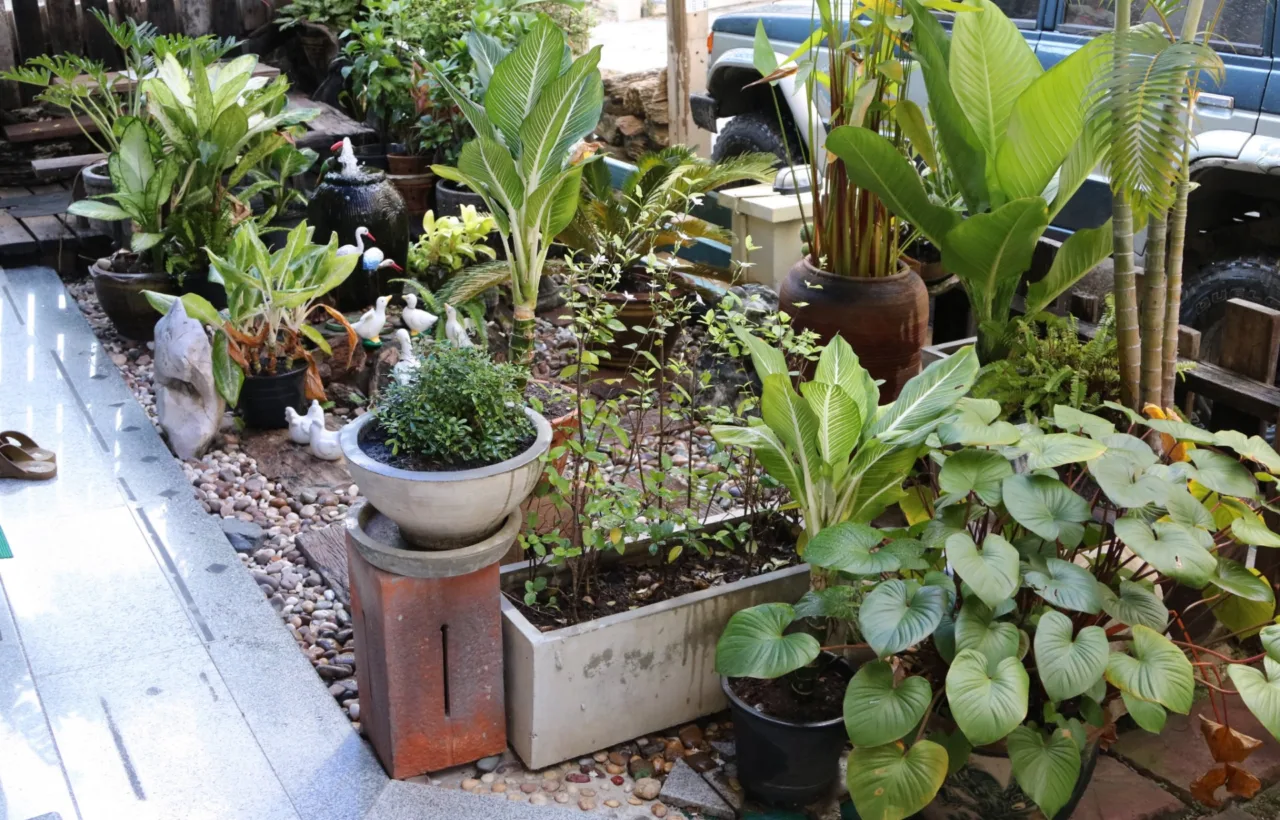
I group three different heights together for most clusters. Tall in back, medium in middle, short in front. The arrangement feels designed instead of scattered.
FYI, dark-colored pots heat up faster in summer. I water those more often or shift them to afternoon shade when I can.
On a sloped front path, test each large pot empty first: a 24-inch container filled with wet mix can become nearly impossible to reposition safely.
The Thriller-Filler-Spiller Formula That Saved My Designs
I used to just jam plants into pots and hope. The results looked chaotic. Then I started following the classic formula and the pots finally looked finished.
Thriller goes in the center or back. It needs height and presence. I reach for purple fountain grass, a dwarf spruce, or a big coleus.
Filler sits around the thriller. These are the mounding plants that add bulk. Coleus, heuchera, or a tidy salvia fill the middle without fighting for attention.
Spiller trails over the edge. Sweet potato vine, creeping Jenny, or calibrachoa softens every hard line.
I plant the thriller first. Then I tuck fillers in a ring. Spillers go last, right against the rim. Leave a couple inches of space at the top for water.
One season I used a single large pot with a tall ornamental grass, three lime coleus, and two purple sweet potato vines. The whole thing looked like it belonged on a magazine cover. Neighbors started asking for the recipe.
Repeat one foliage color in adjacent containers, such as lime coleus, to make separate thriller-filler-spiller groupings read as one curbside composition.
Plants That Actually Thrive in Front-Yard Conditions
Sun exposure decides everything. My front walk gets six to eight hours. That means heat lovers.
For full sun I plant:
- Petunias and calibrachoa for constant color
- Lavender for scent and structure
- Lantana when I want pollinators
- Succulents if I know I will forget to water some days
Shadier spots near the porch get hostas, ferns, and impatiens. They stay lush without frying.
I always check the mature height before I buy. A plant that will hit three feet needs a bigger pot than the cute six-inch starter suggests.
Placement Tricks That Make the Whole Yard Feel Bigger
Random pots look messy. Intentional placement looks expensive.
I start with the front door as the focal point. Two matching containers on either side create a frame. Then I step back and add a third cluster farther down the walk.
Steps work beautifully for tiered displays. One pot on each level draws the eye upward.
If the yard feels narrow, I push taller containers toward the edges. That creates a soft boundary without a fence.
I never place a pot where it blocks the path. People need to walk freely. Scale matters too. A tiny pot in front of a two-story house disappears. Go bigger than you think.
How I Keep Everything Alive Without Daily Drama
Containers dry faster than ground soil. That is the main trade-off.
I water deeply until liquid runs out the bottom. Then I wait until the top two inches feel dry. In peak summer that means every other day for the sunny pots.
Fertilizer keeps the show going. I mix slow-release granules into the potting mix at planting time. A liquid feed every two weeks during bloom season helps the annuals push harder.
Mulch on top of the soil slows evaporation. A thin layer of bark or even decorative gravel works.
Winter prep is simple. I move tender pots into the garage on the coldest nights. Evergreen anchors stay outside. I wrap the pots themselves in burlap if the forecast turns brutal.
Mistakes I Made So You Do Not Have To
I used garden dirt once. It compacted into concrete. Roots suffered. Always buy bagged potting mix.
I overcrowded the first pots. Plants fought for space and looked stressed. Now I follow the rough rule of one thriller, three fillers, and two spillers in a 20-inch pot.
I ignored the view from the street. What looks perfect from the porch can look sparse from the sidewalk. I walk out to the curb every time I rearrange.
Seasonal Swaps That Keep the Interest Fresh
Spring gets pansies and early bulbs. Summer shifts to bold annuals and tropical leaves. Fall brings ornamental kale, mums, and trailing ivy. Winter leans on evergreens and maybe a few berry branches.
I keep a couple of empty pots ready so the swap takes less than an hour. The structure stays the same. Only the plants change.
That rhythm stops the garden from looking tired by August.
Frequently Asked Questions
How much sun does a front yard container garden need? Most flowering combinations want at least six hours. I match the plant list to the exact light each spot receives and stop fighting reality.
What size pots work best for curb appeal? I use nothing smaller than 16 inches wide for anything near the street. Bigger pots hold more soil, need less frequent water, and read better from a distance.
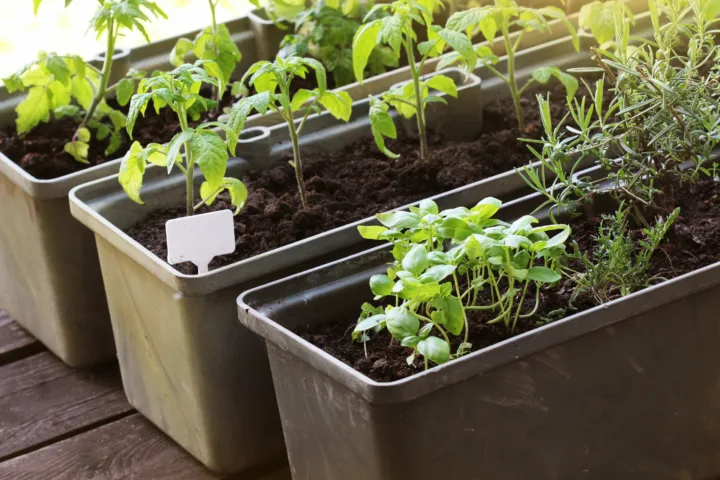
Can I grow vegetables in a front yard container garden? Yes. I have run bush beans, kale, and chives right by the walk. They look tidy and give me snacks while the flowers do the heavy visual lifting.
How often should I water containers in summer? I check the soil every morning. When the top two inches feel dry I water thoroughly. Hot, windy days sometimes need a second check in the evening.
Do I need to fertilize a front yard container garden? Yes. Nutrients wash out fast. Slow-release at planting plus liquid every couple of weeks keeps the plants strong through the season.
I still walk outside some mornings and feel surprised that the same strip of yard once looked so empty. The containers gave me color, control, and a reason to step outside with coffee instead of just rushing past.
Start with two solid pots and the thriller-filler-spiller mix. Get those right and the rest follows. Your front yard does not need a full renovation. It just needs a few well-chosen containers that show you live there and care.