
I spent three summers staring at a bare concrete patio and feeling stuck. No yard. No soil. Just a rented balcony and a stubborn wish for something taller than a tomato plant. Then I tried container trees. Not the decorative sticks sold at big-box stores. Real trees that lived in pots, gave me shade, and somehow made the whole space feel like mine. That first Japanese maple survived its first winter in a plastic tub on my fire escape. I still check on it every morning.
Container trees turned my limited outdoor square footage into the only garden I could keep. I learned the hard way what works and what dies. This is the version I wish someone had handed me before I killed two citrus trees and nearly quit.
Why Container Trees Beat the Alternatives for Tiny Outdoor Spaces
I used to think trees needed ground. Big holes. Permanent roots. That belief kept me from planting anything taller than my knees for years. See, the moment I accepted that a tree could live its whole life in a pot, everything shifted.
Container trees give you height without the commitment. You can move them when the sun changes. You can take them with you if you move apartments. You can even drag one inside during a polar vortex. I did that with my olive tree last January. It sat in the living room for six weeks and dropped almost no leaves.
The real win is control. In the ground a tree grows where it wants. In a pot you decide the size, the shape, and the exact spot it occupies. That control is addictive once you taste it.
Before bringing an olive indoors for winter, inspect leaves and stems for pests, then isolate it from houseplants for several days.
How I Pick a Pot That Does Not Kill the Tree
I ruined my first three attempts by choosing pretty pots that looked good on Instagram. They had zero drainage. The roots sat in water and rotted within months. Lesson learned the expensive way.
Now I follow three non-negotiable rules.
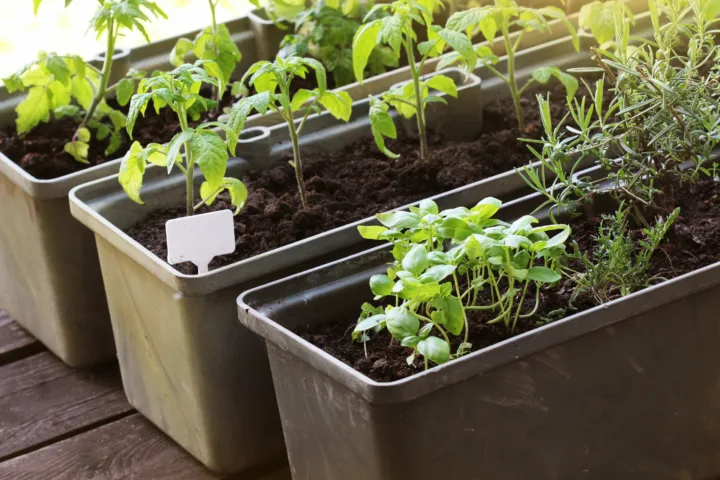
- Drainage holes are mandatory. If the pot has none, I drill them myself. At least four large holes in the bottom.
- Size matters more than looks. Start with a container at least two inches wider than the current root ball. For most trees I end up in a 15- to 25-gallon pot by year three.
- Weight and material decide mobility. Plastic is light and moves easily. Terracotta looks better but cracks in freeze-thaw cycles. I use plastic for anything I might need to wheel inside.
I line the bottom with a layer of broken pottery or coarse gravel. Then I fill with a mix that drains fast. Regular garden soil packs down and becomes concrete. I buy a high-quality potting mix and add extra perlite. The roots need air as much as they need water.
Tall trees in lightweight plastic pots can tip in wind; choose a broad base, add a stable dolly, and secure the canopy when storms approach.
My Short List of Container Trees That Actually Survive
I tested more varieties than I care to admit. Some looked stunning for one season and then sulked. Others quietly thrived. Here are the ones I still grow and recommend without hesitation.
Japanese Maple
This is the tree that converted me. Dwarf varieties stay under eight feet in a pot. The leaves change color like they are showing off. Mine sits in partial shade on the north side of the balcony and still puts on a fall display that stops people walking by.
I water it deeply twice a week in summer. I skip fertilizer in the first year. After that a light spring feeding keeps the leaves sharp. Pruning is almost never needed. I just remove the occasional dead twig.
Olive Tree
Silvery leaves. Twisted trunk. Mediterranean attitude. My olive lives outside from April through October and spends winter in an unheated garage. It has never produced fruit, but I do not care. The foliage alone is worth the space.
Full sun is non-negotiable. Give it less and the growth stalls. Water when the top two inches of soil feel dry. Overwatering is the fastest way to lose an olive.
Dwarf Meyer Lemon
I wanted fruit. This is the one that delivered. Fragrant blossoms in spring. Actual lemons by late summer. I roll the pot outside the moment night temperatures stay above 50 degrees. It comes back inside before the first frost.
Citrus needs consistent moisture and regular feeding. I use a citrus-specific fertilizer every month during the growing season. The pot sits on a tray with pebbles so humidity stays higher around the leaves. Spider mites love dry indoor air. I learned that the hard way.
Dwarf Alberta Spruce
For year-round structure I keep two of these flanking the balcony door. They look like tiny Christmas trees and grow so slowly I have never needed to repot them. Full sun keeps the color deep green. In winter I wrap the pots with burlap to protect the roots from freeze damage.
Bay Laurel
I grow this one mostly for the kitchen. The leaves go straight into soups. It tolerates shade better than most and stays compact with light pruning. Mine lives in a 10-gallon pot and has never complained.
The Daily and Seasonal Care Routine That Keeps Them Alive
Watering is the biggest daily job. Container trees dry out faster than anything in the ground. In July I check the soil every morning. If the top inch is dry, I water until it runs out the bottom. Then I stop. Leaving them sitting in a saucer of water is a death sentence.
Fertilizer is simpler. I use a slow-release granular formula once in early spring. Liquid feed every three weeks from May through August keeps the growth steady. I stop feeding by mid-September so the trees harden off for winter.
Root pruning happens every two or three years. I tip the tree out of the pot, slice off the outer inch of roots all around, and put it back with fresh mix. It sounds brutal. The tree responds with a flush of new growth every time.
Winter protection varies by species. Hardy trees stay outside. I group the pots together against the building wall and mulch the tops heavily. Tender ones move to the garage or a cool spare room. Light is still important. A south-facing window works.
Mulching only the soil surface may not protect container roots; wrap exposed pot sides with insulation during severe freezes, especially for outdoor trees.
Mistakes I Made So You Do Not Have To
I planted a full-size fig in a pot that was too small. The roots circled and the tree never recovered. Now I research mature container size before I buy anything.
I ignored wind. A tall Japanese maple in a lightweight pot tipped over during a storm and snapped a branch. Heavy pots or bricks around the base fixed that.
I overwatered in winter. Roots need less water when the tree is dormant. I check the soil with my finger and water only when it is dry halfway down.
Honestly? The biggest mistake was waiting so long to start. I thought I needed the perfect setup. Messy pots and imperfect trees still give more joy than an empty patio.
Frequently Asked Questions
How big of a pot do container trees need? Most start happy in a 5- to 10-gallon pot. By year three or four they usually want 15 to 25 gallons. Go larger only when the roots fill the current container.
Can container trees live outside year-round? Hardy varieties can if you protect the roots. Tender ones like citrus and olives need to come inside or into a protected space when temperatures drop below their hardiness range.
How often should I repot container trees? Every two to three years is enough for most. You can root-prune and return them to the same pot if you want to keep the size controlled.
Do container trees need special soil? Yes. Use a well-draining potting mix. Garden soil compacts and stays too wet. Add perlite or bark for extra drainage.
Will I get fruit from a container tree? Dwarf citrus and figs produce reliably if they get enough sun and consistent care. Olive trees sometimes fruit. Japanese maples and spruces are grown for looks only.
I still walk onto the balcony every morning and check the leaves. Some days the lemon smells like summer even in March. Other days the maple is just sitting there being quietly beautiful. Container trees gave me a garden when I had no ground. They ask for attention but they give more back. Start with one. Water it. Watch it grow. That first success is addictive.