I stared at my tiny balcony for months before I did anything useful with it. Just a few square feet of concrete, a railing, and zero inspiration. Then I started collecting 11 tiny balcony garden ideas that actually worked in real life, not just in glossy magazine spreads. These ideas turned that neglected scrap of outdoor space into my favorite spot to sit with coffee and pretend the city noise does not exist.
I am no professional gardener. I kill plants regularly. But after trial and error (and a few plant funerals), I landed on setups that fit tight footprints, survive wind, and still look good. You do not need a huge budget or a green thumb that never fails. You just need smart use of vertical space, light containers, and plants that forgive your mistakes.
Honestly? The biggest shift came when I stopped treating the balcony like leftover space and started treating it like a real garden that happens to be vertical.
Why Tiny Balconies Need Different Thinking
Most garden advice assumes you have ground to dig in. Balconies do not. Weight limits matter. Wind dries everything out faster. Sun patterns change with neighboring buildings. I learned this the hard way when a heavy ceramic pot nearly cracked my floor and a tall tomato plant snapped in a gust.
See, the right approach flips the usual rules. Go up instead of out. Choose lightweight everything. Pick plants that handle stress. And keep the floor clear enough that you can still walk out there without stepping on something.
I keep my setups simple on purpose. No elaborate irrigation systems. No permanent structures that the building manager would hate. Just containers, hangers, and a few clever hacks that make the most of every inch.
Check your building’s balcony load rules before adding multiple wet containers, especially near one corner or along a railing where weight concentrates.
1. Vertical Pocket Planters on the Wall
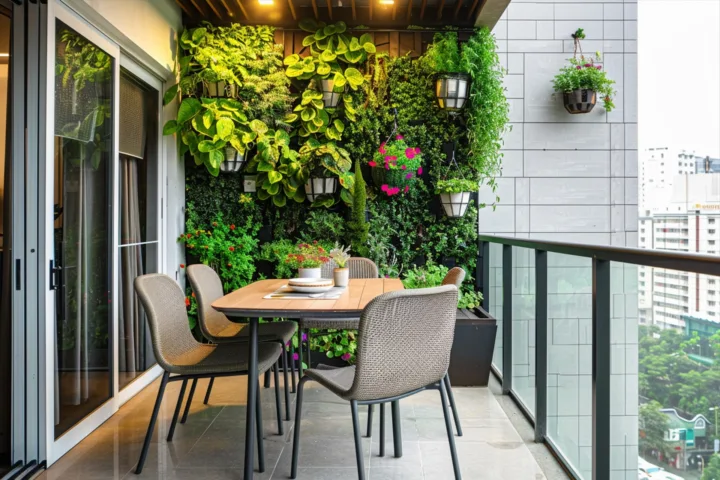
I hung a fabric pocket planter against the wall and filled it with herbs and trailing plants. Instant greenery without stealing floor space.
Why it works: The pockets drain well and stay light even when wet. I put mint, thyme, and a couple of strawberries in mine. Water drips down to the lower pockets, so I water less often.
Choose a sunny wall if you can. If your balcony gets mostly shade, switch to ferns or pothos. Secure the planter properly so wind does not peel it off. I used strong adhesive hooks rated for outdoor weight. One afternoon of installation and I had a living wall that still makes me smile every time I open the door.
Keep mint in its own pocket: its runners can crowd thyme and strawberries, even in a compact vertical planter.
2. Railing Planters That Hang Outside
These changed everything for me. Special planters that clip over the railing and hang on the outside of the balcony keep the interior clear.
Key benefits I noticed:
- Floor stays open for a chair or small table
- Plants get more sun and air
- The view from inside looks greener without clutter
I grow petunias and trailing lobelia this way. They cascade over the edge and soften the metal railing. Check your building rules first. Some places restrict anything that hangs outside. Mine allowed it as long as nothing dripped onto the neighbors below. I added drip trays just in case.
3. Tiered Plant Stands for Layered Growth
A simple three-level metal stand sits in one corner and holds six pots. Tall plants on the bottom, medium in the middle, trailing ones on top.
I fill mine with a mix of leafy greens and flowers. The height creates depth so the balcony feels bigger than it is. Lightweight stands matter. I avoided wood because it gets heavy when wet and can rot. Metal or plastic versions hold up better in rain and sun.
Move the stand around seasonally if your light shifts. I do this twice a year and it keeps everything happier.
4. Hanging Baskets from the Ceiling or Overhead Structure
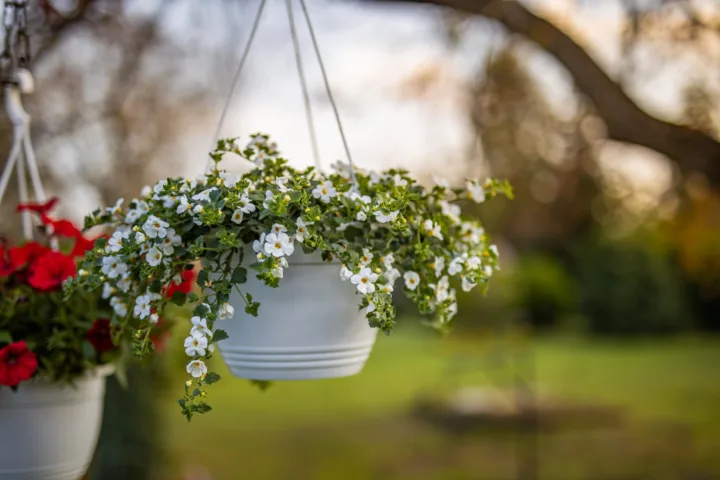
If your balcony has a roof or sturdy beam, hang baskets. I use three baskets with different plants: one fern, one trailing tomato, one mix of annuals.
The effect feels lush without crowding the floor. Water carefully so excess does not drip on your head or the plants below. Self-watering inserts help on busy weeks. I water in the morning so everything dries before evening cool-down.
FYI, choose baskets with coco liners or plastic reservoirs. They hold moisture longer than plain wire ones.
5. Herb Garden in Lightweight Pots Along the Railing
I line the inner side of the railing with small plastic pots of basil, parsley, chives, and oregano. Fresh herbs for cooking sit right outside the kitchen door.
These pots stay light. I can rearrange them whenever I want. Herbs love the extra sun and airflow on a balcony. Pinch them regularly so they stay bushy instead of leggy. I harvest almost every day in summer and the plants just keep producing.
Start with four or five pots. You can always add more later. Overcrowding looks messy and stresses the plants.
6. Succulent Corner with Shallow Trays
One corner of my balcony holds a low tray filled with small succulents and a few pebbles. Zero drama plants.
Succulents forgive missed waterings and handle heat better than most. I group echeveria, jade, and a couple of aloe in shallow containers. The tray catches any overflow and keeps the floor clean. This corner needs almost no attention once established.
I rotate the tray every few weeks so every plant gets even light. That simple step stops them from leaning toward the sun and looking lopsided.
7. Climbing Plants on a Trellis or String Supports
I leaned a small trellis against the wall and planted two morning glories and a dwarf cucumber. They climbed fast and created a soft green screen.
Climbing plants give privacy and vertical interest at the same time. Use soft ties or clips so stems do not get damaged. Keep the base pots heavy enough that wind does not tip the whole setup. I put a few bricks in the bottom of the pots for stability.
Watch the growth. Some climbers get aggressive and need regular pruning so they do not take over the entire railing.
8. Stacked Crates or Upcycled Wood Boxes
I stacked two wooden crates on their sides and turned them into open shelves for pots. Cheap, quick, and customizable.
Paint or seal the wood so weather does not destroy it. I keep lighter plants on the upper shelves and heavier ones lower down. This setup works especially well for a mix of flowers and greens. The open sides let air circulate and reduce mold risk.
If wood feels too heavy or temporary, look for plastic crates designed for outdoor use. Same idea, less maintenance.
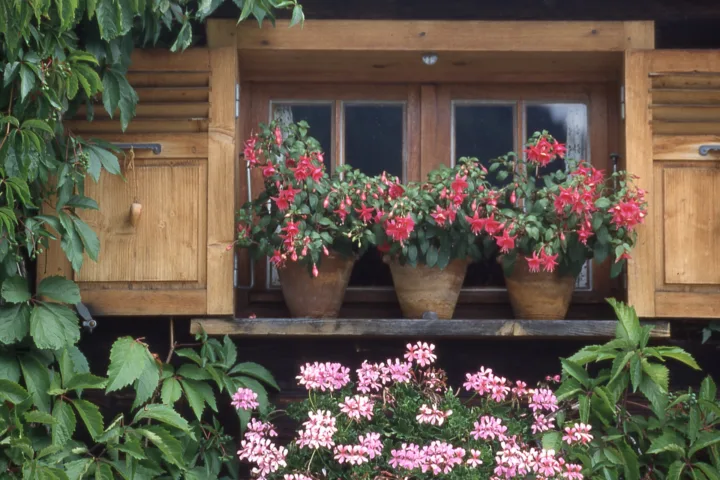
9. Window Boxes Mounted on the Railing or Wall
Classic window boxes attached to the railing give a neat, continuous line of color. I plant them with a thriller (upright plant), filler (mounding plant), and spiller (trailing plant) for full impact.
This formula always looks intentional. My current boxes hold geraniums in the center, calibrachoa around them, and sweet potato vine spilling over the edges. Water more often than you think. Window boxes dry out fast in wind and sun.
Use brackets rated for the weight of wet soil. I checked mine twice the first season just to be sure.
10. Compact Vegetable Setup in Grow Bags
I grow cherry tomatoes, lettuce, and peppers in fabric grow bags. They fold flat when the season ends and weigh almost nothing empty.
Grow bags breathe better than plastic pots, so roots stay healthier. Place them where they get the most sun. Stake the taller plants early. I learned that lesson after a tomato plant flopped over and snapped. A simple bamboo stake and soft ties fixed it.
Start small. Two or three bags give you plenty of fresh produce without turning the balcony into a farm.
11. Multi-Level Hanging Shelf System
My final idea combines hanging and shelving. A narrow metal shelf unit hangs from the ceiling or wall brackets and holds several small pots at different heights.
This one feels the most custom. I can change the arrangement anytime. Herbs on the middle shelves stay easy to reach. Trailing plants on the bottom shelves create a waterfall effect. The whole thing takes up almost no floor space and still delivers serious greenery.
Secure every attachment point. Wind and weight add up. I tested the hold with extra weight before loading it with plants.
Practical Tips That Keep Everything Alive
Weight stays my top concern. Wet soil is heavy. I stick to plastic, fabric, or thin ceramic pots and never fill them to the brim. Drainage holes are non-negotiable. Every pot gets a saucer or tray so water does not stain the floor or drip on people below.
Watering takes planning. I keep a collapsible watering can near the door. On hot windy days I water twice. Self-watering pots cut the work in half during busy weeks. Group plants with similar needs together so you do not over or under water some of them.
Sun and wind shape every choice. I map the light for a full day before placing anything permanent. Wind-sensitive plants go against the wall. Tough ones claim the exposed spots.
Soil matters more than you think. Regular garden soil packs too dense in containers. I use a light potting mix with added perlite for drainage. A slow-release fertilizer at planting time keeps things growing without constant feeding.
Slow-release fertilizer can leave salt buildup in containers; flush each pot thoroughly with plain water once a month during active growth.
Mistakes I Made So You Do Not Have To
I once bought beautiful heavy terracotta pots because they looked authentic. They cracked my back and nearly the balcony floor. Lightweight always wins.
I planted too many sun lovers in a mostly shady corner. They stretched, yellowed, and eventually died. Match the plant to the actual light, not the light you wish you had.
I ignored the drip factor and soaked the neighbor’s balcony more than once. Trays and careful watering fixed that embarrassment.
Overcrowding looked lush for two weeks and then everything competed for light and air. Thinning the plants made the whole space healthier and more attractive.
Frequently Asked Questions
What plants work best for a tiny balcony garden? Herbs, succulents, trailing flowers, and compact vegetables handle containers and variable conditions best. I stick to these because they forgive imperfect care and still look good.
How do I deal with limited sunlight on my balcony? Choose shade-tolerant plants like ferns, mint, parsley, and certain succulents. Place the few sun-lovers near the outer edge where light reaches longest. Move pots seasonally if needed.
Are there weight limits I should worry about? Yes. Check with your building or landlord. Stick to lightweight pots and avoid large volumes of wet soil in one spot. Spread the weight across the balcony rather than concentrating it.
How often should I water plants in a small balcony setup? It depends on weather, pot size, and plant type. In hot windy conditions I check daily. Succulents need far less. Stick your finger in the soil. If the top inch feels dry, water.
Can I grow vegetables successfully with these 11 tiny balcony garden ideas? Absolutely. Cherry tomatoes, lettuce, peppers, and herbs thrive in the right containers with enough sun. Start with one or two types so you do not overwhelm the space or yourself.
Final Thoughts From My Own Tiny Balcony
These 11 tiny balcony garden ideas turned a bare concrete pad into a place I actually use every day. I sit out there with a cup of coffee and feel like I stole a little piece of quiet from the city. The setups stay simple on purpose. I change plants with the seasons and keep the structure the same.
You do not need perfection. You need a few containers, some plants that match your light, and the willingness to experiment. Start with one idea this weekend. Add another when you feel ready. The balcony will grow with you.
I still lose the occasional plant. That is fine. The ones that survive make the whole experiment worth it. Go make your tiny space work for you.