
I turned my tiny Mumbai balcony into a green corner that actually works. After years of trial and error with the heat, the monsoon, and limited floor space, I landed on these 15 balcony garden ideas indian city dwellers keep coming back to. Honestly? Most of what I tried at first failed. The plants dried up. The pots tipped over. Neighbors complained about water dripping. Then I got practical.
I stopped chasing magazine looks and focused on what survives Indian weather. These ideas come from my own pots, my friends’ flats, and the setups that still look good after one full summer and one rainy season. You can start small. You do not need a big budget or perfect light.
Why Most Indian Balcony Gardens Struggle at First
I made every mistake. I bought pretty pots without drainage holes. I put sun-loving plants in a north-facing corner. I overwatered during the monsoon and underwatered in May. The result was sad, leggy plants and a balcony that looked more like a storage area than a garden.
See, the real issue is not space. Indian apartments give you narrow ledges, harsh afternoon sun, sudden rain, and often zero privacy. Once I accepted those limits, everything got easier. I started choosing plants that forgive mistakes and setups that use vertical space instead of floor space.
My biggest shift happened when I treated the balcony like a working kitchen garden mixed with a few tough ornamentals. That mix keeps me motivated. I harvest mint for chai and still get flowers for the table.
Vertical Setups That Save Every Inch of Floor
Floor space disappears fast. I learned to go up.
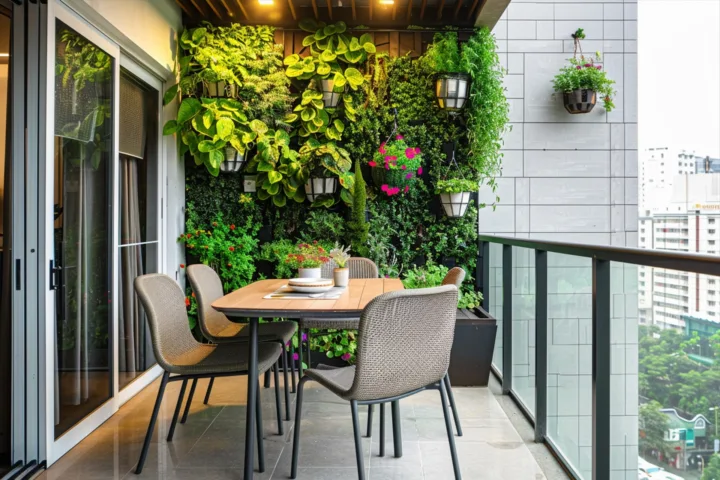
Attach vertical planters securely to walls or railings, leaving floor-level access clear for cleaning, harvesting, and monsoon drainage checks.
Simple Wall-Mounted Shelves
I fixed three narrow wooden shelves to the side wall. They hold small pots of tulsi, mint, and a couple of ferns. The shelves sit at different heights so the plants get air and light. Watering is easy because I can reach everything without bending. This setup costs little and looks tidy. I use leftover plywood and basic brackets from the local hardware shop.
Hanging Baskets from the Ceiling
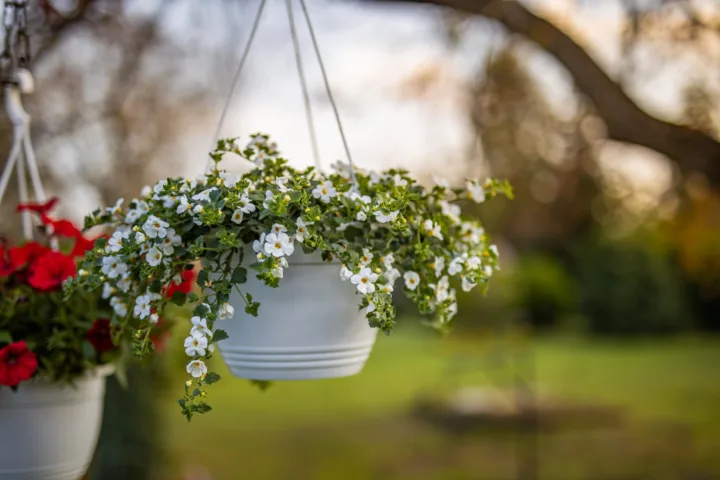
I hung three baskets at staggered heights. One holds trailing money plant. Another has portulaca that blooms in bright pink even when the sun is brutal. The third carries a small fern for the shadier side. Ceiling hooks mean the floor stays clear for a small stool. Just check your building rules before drilling.
Railing Planters That Do Double Duty
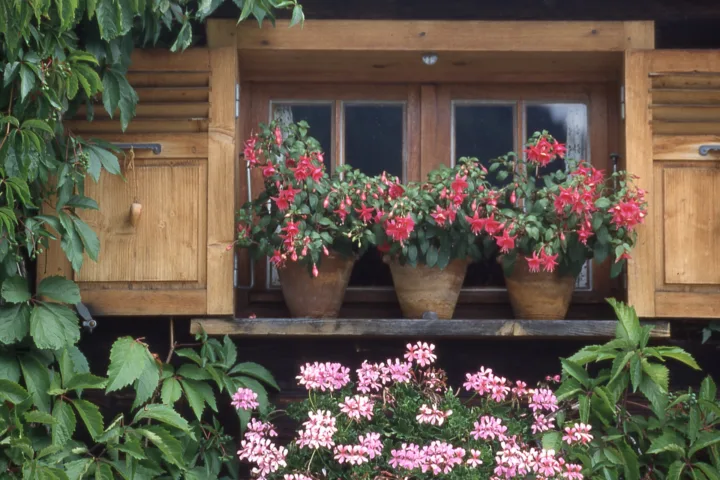
I clamped long trough planters along the railing. They hold a row of marigold in season and spinach the rest of the year. The plants act as a soft green screen. Neighbors cannot stare in as easily, and I get a harvest. Choose planters with good drainage so rainwater does not pool.
Tough Plants That Handle Indian Heat and Rain
I stopped buying delicate plants. These ones bounce back.
Money plant grows in almost any light and forgives missed watering. I keep three pots of it. One trails down the railing. The leaves stay glossy even after a dry spell.
Snake plant sits in a corner I almost never remember. It needs water maybe once every two weeks. The upright leaves take almost no space and clean the air a bit.
Areca palm gives instant height and a soft tropical feel. I keep one in a large pot near the door. It softens the hard concrete edges and handles partial shade well.
Bougainvillea loves full sun and almost no care once established. I grow a dwarf variety in a pot against the railing. The bright bracts keep coming even in peak summer. Just prune it so it does not take over.
Portulaca is my summer favorite. The tiny flowers open every morning and the plant shrugs off heat. I scatter a few pots on the shelves and they fill empty spots with color.
Tulsi and mint belong in every Indian balcony. I keep them in small pots near the kitchen door. Fresh leaves for tea or cooking make the garden feel useful every single day.
Keep mint in its own pot, because its spreading roots can quickly crowd tulsi and other herbs in a small balcony garden.
Growing Food on a Narrow Balcony
I never expected to harvest much. Then I tried.
I grow spinach, methi, and coriander in shallow trays on the railing. They mature fast and I cut leaves as needed. Cherry tomatoes in a hanging basket gave me a handful every few days last winter. Beans climb a simple string trellis I tied to the ceiling. The pods taste better than anything from the market.
Herbs need the least space. I keep curry leaves in one pot and green chillies in another. Both handle the sun and give me something for dinner almost daily. FYI, start with just two or three edibles. Success with those keeps you going.
Creative Containers That Cost Almost Nothing
Fancy planters look nice but empty the wallet. I reuse what I have.
Old paint buckets with holes drilled in the bottom work fine. I paint them once and they last years. Coconut shells make cute hanging planters for small herbs. Broken ceramic pots become layered planters when I stack the pieces. Even plastic bottles cut in half and filled with soil hold seedlings until they grow stronger.
I once turned a wooden crate into a mini raised bed. It holds four tomato plants and still leaves room to walk. The key is drainage. Without holes, roots rot fast in the monsoon.
Lighting and Privacy Tricks That Change the Feel
Bare bulbs make a balcony feel like a utility space. I added two warm LED string lights along the railing. They turn the space into a calm evening corner without drawing insects the way yellow bulbs do.
For privacy I trained a money plant up a simple bamboo screen. The leaves fill in within months and block the direct view from the opposite building. A tall areca palm in the corner does the same job with less effort.
Seasonal Switches That Keep Things Interesting
I change a few pots with the seasons. In winter I bring in petunias and pansies for color. During monsoon I focus on ferns and money plant that love the humidity. Summer means portulaca, bougainvillea, and the toughest herbs.
This rotation stops the balcony from looking the same every month. It also teaches me which plants actually thrive in my specific light and wind conditions.
Common Mistakes I Still See (and How I Fixed Them)
Overwatering kills more plants than underwatering in my experience. I stick my finger in the soil. If the top inch feels dry, I water. Otherwise I wait.
Crowding pots creates humidity that invites fungus during the rains. I leave space between containers so air moves.
Ignoring the direction of the sun wastes effort. South and west balconies get harsh light. Choose tough plants. North and east ones stay milder. Match the plant to the spot.
How I Keep Maintenance Under Control
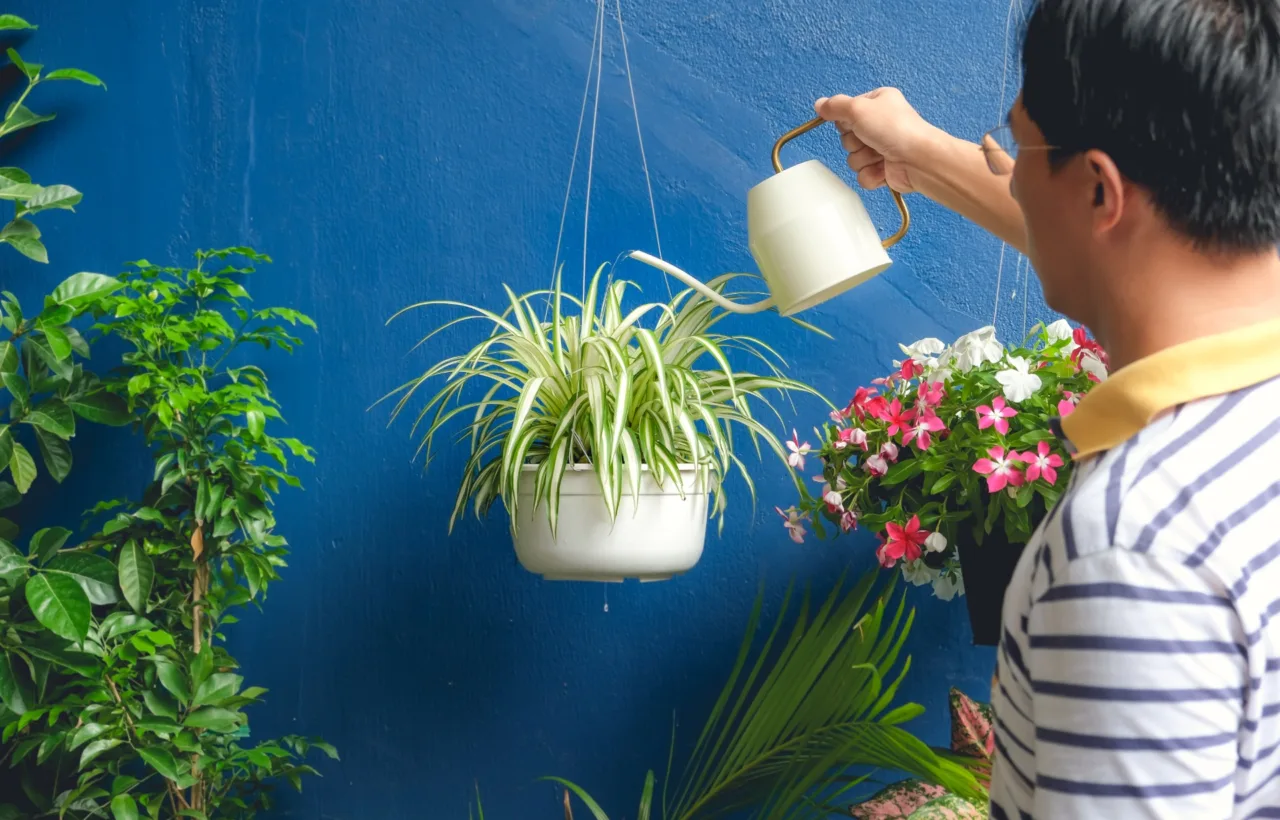
I water early morning or late evening. Midday sun burns wet leaves. I use a simple watering can so I control the amount. Once a month I add a handful of compost to the pots. That keeps the soil alive without chemical fertilizers.
Pruning happens whenever I notice leggy growth. A quick snip keeps plants bushy and healthy. Dead leaves go into a small compost bucket I keep under the sink. Nothing goes to waste.
Budget Breakdown from My Own Setup
I spent under two thousand rupees to get started properly. Basic pots and soil took the biggest share. Plants came from local nurseries or cuttings from friends. Shelves and hooks were leftover materials. String lights were the only pure luxury. The garden still looks full years later because I replace only what dies and reuse almost everything else.
Frequently Asked Questions
What are the easiest 15 balcony garden ideas indian beginners should try first? Start with money plant, snake plant, tulsi, mint, and a couple of hanging baskets. Those five give you greenery, herbs, and vertical interest without much risk.
How much sun do most of these plants need? Most of the tough ones I listed handle four to six hours of direct sun. Shade-tolerant options like money plant and snake plant manage with less.
Can I grow vegetables successfully on a small Indian balcony? Yes. Leafy greens, herbs, and climbing beans do well in containers. Just give them consistent water and the best light your balcony offers.
Do I need to worry about building rules? Check before you drill or hang heavy items. Most societies allow railing planters and free-standing pots. Avoid anything that drips onto lower floors.
How often should I fertilize balcony plants? A light dose of compost or liquid fertilizer once a month during the growing season is enough. Too much creates weak growth that pests love.
I still walk out to my balcony every morning and feel a small lift. The plants ask almost nothing and give me fresh leaves, a bit of color, and a private green corner in the middle of the city. Pick two or three ideas from this list and try them this weekend. Start messy if you have to. Messy still beats an empty concrete slab. Your balcony will thank you, and so will your evening chai.