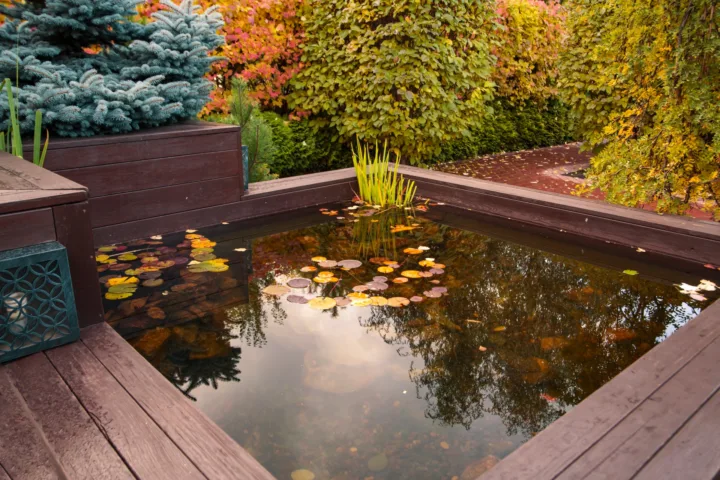

My first attempt at a container water garden was a $45 resin half barrel that sat empty on my patio for almost a month. I kept second guessing which plants would actually survive in it, so I did nothing at all.
That indecision cost me most of a growing season. Container water gardens are genuinely one of the easiest ways to add movement and life to a small patio or deck, and once I finally committed, mine took about two hours from empty barrel to bubbling fountain. I want to save you that month of hesitation and walk through exactly what worked.
What Makes a Good Container Water Garden Container
The container matters more than almost anything else in this whole project. Get it wrong and you’re patching leaks or replacing rusted metal within a season.
Best Container Options
A few materials show up again and again for good reason.
- Half whiskey barrels: Classic look, generous volume, though raw wood needs a liner to stay watertight and non-toxic.
- Glazed ceramic pots: Elegant and simple, just seal the drainage hole with waterproof sealant first.
- Galvanized tubs: Sturdy and affordable, though metal heats water fast in direct sun.
- Resin planters: Lightweight and budget friendly, mine mimics hammered bronze and nobody’s guessed it’s resin yet.
Honestly? I’d skip metal if you’re in a hot climate. Mine sat in full sun for one July afternoon and the water temperature climbed enough to stress the water lettuce floating in it.
Sealing Drainage Holes the Right Way
Most decorative pots come with a drainage hole, which obviously defeats the purpose here. Sealing it properly is a five minute job that saves you from a slow, mysterious leak later.
Use a waterproof silicone sealant rated for outdoor and underwater use, applied generously over the hole from the inside. Let it cure fully, usually 24 hours, before adding any water. I rushed mine once and had a slow drip for two weeks before I caught it.
Adding a Fountain or Pump
A fountain isn’t strictly necessary, but moving water does double duty here: it looks and sounds fantastic, and it keeps mosquitoes from breeding in still water.
Solar vs Electric Pumps
I’ve run both types, and each comes with real tradeoffs.
| Pump Type | Approx. Cost | Reliability | Best For |
|---|---|---|---|
| Solar fountain pump | $16–$35 | Weather dependent, needs direct sun | Shaded budget setups |
| Electric submersible pump | $25–$60 | Consistent, runs anytime | Full-time fountains |
| Battery-powered pump | $30–$45 | Moderate, needs recharging | Portable or shaded spots |
I bought a solar pump kit for around $16 online for my first setup, and it worked great on sunny afternoons but did absolutely nothing on cloudy days. Switched to an electric submersible pump the following spring, plugged into an outdoor GFCI outlet, and it’s run reliably ever since.
Don’t skip the GFCI requirement if you go electric. Water and standard household outlets don’t mix, full stop, and a proper weatherproof GFCI outlet is non negotiable for safety.
Best Plants for a Container Water Garden
Plants aren’t just decoration in a water garden. They shade the water, limit algae, and give the whole setup a finished look instead of a plain tub of water with a pump in it.
Thriller, Filler, and Spiller for Water Plants
Yes, the same design formula from regular container gardening applies here too, just with an aquatic cast.
- Thriller: Lotus or tall papyrus for dramatic height and a genuine focal point.
- Filler: Water lilies, whose broad leaves and blooms fill the water’s surface with color.
- Spiller: Horsetail or trailing water plants like creeping jenny along the rim, softening the container’s edge.
I planted a single water lily I ordered for $28 from an online aquatic nursery, arrived bare root in a plastic bag, and it opened its first bloom about three weeks after planting. Genuinely one of the best plant purchases I’ve made for that patio.
A few other reliable options worth knowing:
- Water lettuce: Fast growing, floats freely, provides shade cover for the water below.
- Dwarf lilies: A smaller alternative to full-size water lilies, better suited to containers under 20 inches wide.
- Horsetail: Adds vertical texture, tolerates both sun and partial shade well.
How Much Sun Does a Container Water Garden Need
Sun requirements catch a lot of beginners off guard, myself included. Most flowering aquatic plants need real light to perform, not just ambient brightness.
Water lilies and lotus generally need four to six hours of direct sun daily to bloom well. Less than that and you’ll get healthy leaves but disappointing flowers, which is exactly what happened to my first lily in a partly shaded spot.
See, that’s the tradeoff nobody mentions upfront. More sun means better blooms, but it also means faster evaporation and a higher chance of the water overheating in peak summer.
My positioning checklist after a few seasons of trial and error:
- Choose a spot with at least four hours of direct morning or afternoon sun.
- Avoid full all day sun in hot climates, since it cooks the water and stresses plants.
- Keep the container away from deep shade entirely, or your lilies simply won’t flower.
- Set the container in its final position before filling, since a full barrel becomes extremely heavy and hard to move.
Can You Keep Fish in a Container Water Garden?
This question comes up constantly, and the honest answer is: usually not, at least not comfortably. Most container water gardens are simply too small and too shallow for fish to live well long term.
Outdoor fish need real room to move, hiding spots from predators, and enough depth to survive winter freezes without dying. A typical 20 to 24 inch whiskey barrel or ceramic pot rarely provides that.
If you’re set on fish, look for:
- A container at least 18 to 24 inches deep, ideally more.
- A sheltered spot away from raccoons and herons that treat shallow containers as an easy buffet.
- A plan for winter, whether that’s bringing fish indoors or providing a heater in freezing climates.
I think that’s the wrong goal for most patio setups though, “how do I add fish” isn’t really the right question. The better one is whether you actually want the extra maintenance fish require, because a fish free water garden is dramatically simpler to keep alive.
Preventing Mosquitoes and Keeping the Water Clear
Standing water and mosquitoes go together, so this part matters if you want to actually enjoy your patio instead of swatting bugs all summer.
Moving water solves most of the problem on its own. A small solar bubbler or submersible pump keeps the surface disrupted enough that mosquitoes can’t lay eggs successfully.
A few other habits that kept my water clear through a full season:
- Remove decaying plant material weekly before it fouls the water.
- Top off evaporated water regularly, especially during hot stretches.
- Expect some initial cloudiness. Mine looked murky for about two weeks before the plants established and cleared it up naturally.
- Consider a small algae-eating snail or two if algae becomes persistent, since they handle it without chemicals.
IMO the fountain pump does more heavy lifting here than people expect. Once mine was running consistently, I never dealt with a single mosquito problem all summer.
Frequently Asked Questions
Do container water gardens need a pump or fountain? Not strictly, but moving water helps prevent mosquitoes and adds sound and visual interest that a still container lacks.
What’s the best container for a container water garden? Half whiskey barrels with a liner, sealed ceramic pots, and resin planters all work well, as long as the container is watertight and free of drainage holes.
How much sun do water lilies need in a container water garden? Most water lilies need four to six hours of direct sun daily to bloom well, though they’ll survive with less light and simply flower less.
Can I keep goldfish in a small container water garden? It’s possible in larger, deeper containers, but most small patio setups under 20 inches deep are better suited to plants only.
How do I stop algae in a container water garden? Moving water from a pump, floating plants that shade the surface, and the occasional algae-eating snail all help keep growth in check naturally.
Wrapping This Up
Container water gardens reward a little planning way more than luck. Pick a watertight container that fits your space, match your plant choices to how much sun that spot actually gets, and add a pump if you want the mosquito control and the calming sound that comes with it.
That $45 resin barrel that sat empty for a month is still on my patio today, minus the hesitation and plus a water lily that blooms every summer like clockwork. Fill a container this weekend and just start. A little trial and error beats another month of staring at an empty barrel, every time.