
I spent years staring at my bare balcony and thinking gardening was only for people with actual yards. Then I finally started my own easy container garden and everything changed. Fresh herbs right outside the door. Tomatoes that actually tasted like tomatoes. Lettuce I could snip for lunch without driving anywhere. All of it grew in pots I could move around when the weather got weird.
Honestly? I almost quit after the first month. My first batch of basil turned crispy. The soil stayed soggy in one pot and bone-dry in another. I felt defeated. See, I thought bigger effort equaled better results. That was the wrong way to go about it. Effort isn’t the real question. Consistency with the basics is.
I kept going anyway. Now my balcony produces enough greens and peppers to keep me in salads half the summer. You can do the same. Here’s exactly how I did it, step by step, with the mistakes I made so you can skip them.
Why Container Gardening Fits Real Life Better Than Dirt Beds
I used to believe real gardens needed rows and tillers and endless weeding. My apartment balcony proved me wrong. Containers let me grow food in a space smaller than most kitchen tables. I control the soil. I move pots to chase the sun. Weeds barely show up.
The best part is the freedom. When a heat wave hits, I slide the thirsty pots into shade. When frost threatens, I haul the survivors inside overnight. Garden soil stays put. My pots travel.
IMO, this setup beats traditional beds for anyone short on space or time. You water more often, sure. But you skip the backache of kneeling in mud and the frustration of mystery soil problems.
Picking Containers That Actually Work for an Easy Container Garden
I started with whatever looked cute at the store. Bad call. Size and drainage matter more than looks.
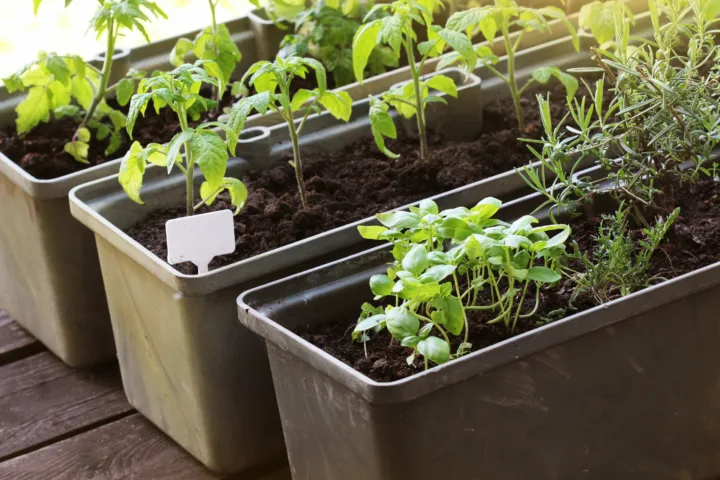
Go bigger than you think. Small pots dry out fast and stunt roots. A five-gallon bucket works great for one tomato plant. Three-gallon pots handle peppers or bush beans. Lettuce and most herbs thrive in something eight to twelve inches wide and six to eight inches deep.
Drainage holes are non-negotiable. Water must escape. I drilled extra holes in a few plastic buckets with a regular drill bit. Worked fine. Line the bottom with a coffee filter or piece of screen so soil stays put while water drains.
Material choices:
- Plastic: Light, cheap, holds moisture well. I use these most.
- Fabric grow bags: Breathable and fold flat for storage. Roots stay healthier.
- Terracotta: Looks classic but dries out quicker. I only use it for plants that hate wet feet.
- Galvanized metal tubs: Sturdy and stylish. Just make sure they have holes.
Avoid pressure-treated wood or anything that once held chemicals. Food safety matters if you plan to eat what you grow.
I once tried an old wooden crate without enough holes. Roots sat in water and the whole thing smelled like a swamp. Lesson learned. Drill first. Plant second.
Use saucers beneath balcony containers to catch runoff, then empty them after watering so stains, standing water, and neighbor disputes do not become problems.
The Soil Mix That Saved My Plants
Garden dirt in a pot turns into concrete. I made that mistake once. Roots choked. Plants sulked.
Use a quality potting mix made for containers. It stays light and drains while still holding some moisture. Many mixes already contain peat or coir, perlite, and a bit of fertilizer.
I sometimes boost mine with a handful of compost. Nothing fancy. Just enough to feed the plants longer. Skip the rocks or broken pots at the bottom. They don’t improve drainage and can create a waterlogged zone. Fill the entire pot with mix.
Larger pots need more mix, obviously. Buy in bulk if you plan several containers. The cost spreads out fast when your first harvest shows up.
Best Plants for Beginners Who Want Fast Wins
I started with plants that forgive mistakes. Leafy greens and herbs delivered the quickest rewards.
Here are the ones that worked best for me:
- Lettuce and spinach: Ready in weeks. Shallow roots. Partial shade is fine.
- Basil, chives, parsley, mint: Continuous harvest if you snip regularly. Mint stays contained in its own pot or it takes over.
- Bush beans: Produce fast and don’t need tall supports.
- Cherry or patio tomatoes: Determinate varieties stay compact. One plant in a five-gallon pot feeds me for months.
- Peppers: Both sweet and hot types stay happy in three- to five-gallon pots.
- Radishes: Almost foolproof. Ready in under a month.
I group plants with matching needs. Tomatoes and basil share a sunny spot. Lettuce sits where afternoon shade softens the heat.
Avoid sprawling plants like full-size pumpkins or corn. They outgrow pots fast and demand more than most balconies can give.
Start with transplants if you want speed. Seeds cost less and offer more variety, but they need extra attention early on.
Sow a small batch of radishes or lettuce every 10 to 14 days, creating a steady harvest instead of one oversized crop.
Watering and Feeding Without the Guesswork
Containers dry out faster than ground soil. Hot days can empty a pot by afternoon. I check moisture by sticking a finger an inch down. Dry? Water deeply until it runs out the bottom holes.
Morning is best. Plants drink before the heat hits. I water until the soil feels evenly moist, not soggy. Overwatering kills more plants than underwatering in my experience.
In peak summer I sometimes water twice a day for smaller pots. Larger ones hold on longer. Self-watering containers or a simple tray of water underneath can help during trips away from home.
Nutrients wash out with every watering. I mix a slow-release fertilizer into the potting mix at planting. Then I give liquid feed every two weeks during active growth. Fish emulsion or a balanced organic liquid works for me. Don’t overdo it. Too much fertilizer burns roots and leaves.
Mulch the top of the soil with a light layer of shredded leaves or straw. It slows evaporation and keeps soil cooler.
Check the slow release fertilizer label before adding biweekly liquid feed, because some formulas already supply enough nutrients for the entire growing period.
Mistakes I Made So You Don’t Have To
I killed more plants than I care to admit in the first season. Here’s what went wrong and how I fixed it.
Using pots that were too small. Roots circled and plants stayed tiny. Now I size up every time.
Skipping drainage holes. One beautiful ceramic pot turned into a root-rot factory. I drilled holes the next day.
Planting sun-lovers in shade and shade-lovers in full sun. Labels exist for a reason. I read them now.
Forgetting to harden off seedlings. I moved indoor starts straight into full sun and watched them wilt. A week of gradual outdoor time prevents that shock.
Ignoring wind. Tall tomato plants tipped over until I staked them at planting time.
Overcrowding. I crammed too many seedlings into one pot. Everything competed and nothing thrived. Less is more.
These fixes turned my balcony from a plant graveyard into a working garden. The plants still need attention, but the attention is simple and quick.
Check your balcony’s permitted load before clustering multiple five gallon buckets or metal tubs, especially after watering, when containers become substantially heavier.
Daily Habits That Keep Everything Thriving
I spend ten minutes most mornings on the balcony. That short check-in makes the difference.
I look for pests first. Aphids and whiteflies show up early if you watch. A strong spray of water or insecticidal soap usually handles them. I check under leaves too.
I harvest often. Snipping lettuce and herbs encourages new growth. Leaving tomatoes too long invites pests and splits.
I rotate pots occasionally so every side gets even light. Plants lean toward the sun otherwise.
In extreme heat I move containers to afternoon shade or group them close together to create a cooler microclimate. In cold snaps the same pots come indoors or get covered with old sheets.
Winter storage is easy. Empty the pots, scrub them, and stack them in a corner. Fabric bags fold flat. I reuse the soil the next year after mixing in fresh compost.
Do not reuse potting soil from a container that had severe disease or infestation, since compost will not reliably eliminate every lingering problem.
Frequently Asked Questions
How much sunlight does an easy container garden need? Most fruiting plants want six to eight hours of direct sun. Leafy greens and many herbs handle three to five hours just fine. Watch your balcony for a full day and place pots accordingly.
Can I grow an easy container garden indoors? Yes, if you have a bright south-facing window or grow lights. Herbs and lettuce do especially well. Just watch humidity and air flow so mold stays away.
How often should I fertilize container plants? I add slow-release at planting and follow with liquid feed every two weeks while plants actively grow. Stop or reduce once growth slows in cooler weather.
What size pot works for tomatoes? A five-gallon minimum for most patio or determinate varieties. Bigger is better if you have the space and strength to move it.
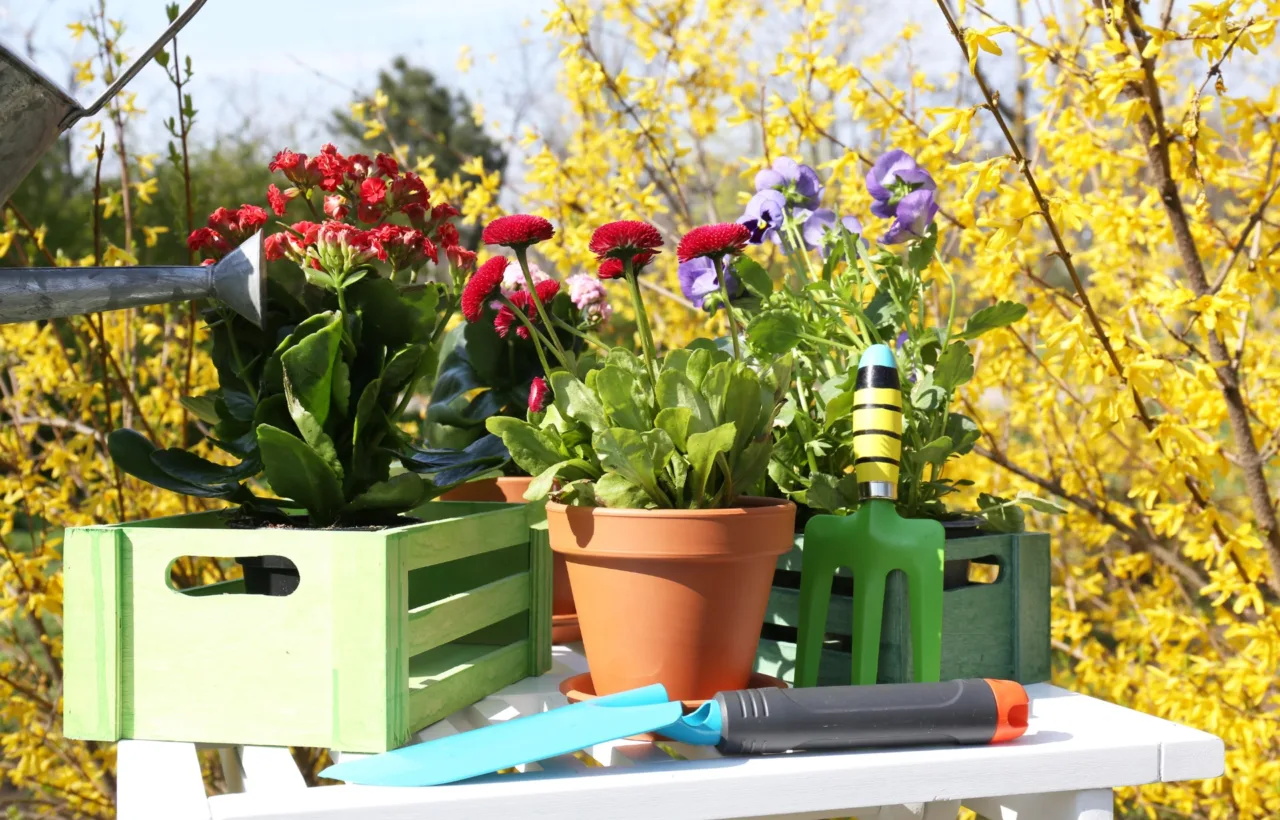
Do I need special tools for container gardening? A hand trowel, watering can or hose, and a pair of scissors cover most needs. Gloves help when mixing soil. That’s it.
Start Small and Watch It Grow
I began with three pots of lettuce and basil. The first harvest felt huge. A handful of leaves that I grew myself. That success pushed me to add tomatoes and peppers the next season.
You don’t need a perfect setup on day one. Grab one decent pot, some potting mix, and a couple of easy plants. Water them. Watch them. Adjust as you go.
My balcony still looks a little messy some days. Plants lean. Pots sit at odd angles. But the food keeps coming. That messy little garden feeds me better than the grocery store ever did.
Grab a pot this week. Plant something. See what happens.