
I spent years filling pots with whatever looked pretty at the garden center. The results always fizzled by July. Then I locked in on annual container combinations that actually hold up. Now my porch looks intentional from the first warm day straight through the first frost.
Honestly? The shift came after one particularly sad summer when half my plants sulked and the other half took over. I stopped guessing and started matching plants that share the same light, water, and growth habits. That one change made everything click.
Why Most Annual Container Combinations Fail
See, I used to grab three plants that matched in color and call it done. Wrong move. Plants that need full sun next to ones that prefer shade wilt fast. Ones that drink constantly next to drought lovers create a mess.
I think the real problem sits deeper. People ask which plants look good together. That is the wrong question. The better one is which plants want the same conditions and grow at the same pace. Once I started asking that, my containers stopped fighting themselves.
Vulnerability check: I still kill the odd plant. It happens. But now the overall display survives and looks full.
The Simple Formula Behind My Best Annual Container Combinations
I stick to one structure that never lets me down: thriller, filler, and spiller. It sounds basic. It works every time.
Match the thriller’s mature height to the container: oversized foliage can hide fillers, while undersized plants weaken the combination’s visual impact.
Thrillers That Steal the Show
These go in the center or back. They add height and drama. I reach for purple fountain grass, angelonia, or a compact canna. One strong plant is enough in a 14-inch pot.
Fillers That Bulk Things Up
These sit in the middle layer. They fill gaps with color or foliage. Coleus, compact petunias, or calibrachoa do the heavy lifting for me. Two or three plants usually cover the space.
Spillers That Soften the Edges
These cascade over the rim. Sweet potato vine, dichondra, or trailing verbena finish the look. I plant them right at the edge so they can spill freely.
FYI, I always plant the thriller first. Then I tuck fillers around it. Spillers go last. That order keeps roots from getting tangled during planting.
My Top Annual Container Combinations for Full Sun
Full sun pots bake hard where I live. These three combinations laugh at the heat.
Combo 1: Bold and Tropical Thriller: Purple fountain grass Filler: ‘Chocolate Covered Cherry’ coleus and bright orange zinnia Spiller: ‘Margarita’ sweet potato vine
This one jumps out from across the yard. The grass sways. The coleus stays rich even when temperatures climb. I water it deeply every other day in peak heat and it keeps performing.
Combo 2: Soft Pastels That Refuse to Quit Thriller: Angelonia in white or soft pink Filler: Calibrachoa in peach and lavender Spiller: Silver Falls dichondra
I planted this on a west-facing porch last year. It looked soft and calm while everything else around it scorched. The dichondra spilled nearly two feet by August. IMO, this is the one I recommend to friends who want pretty without drama.
Combo 3: Pollinator Magnet Thriller: Compact salvia Filler: Lantana and trailing verbena Spiller: Superbells calibrachoa
Bees and hummingbirds show up within days. The mix stays colorful because the plants bloom nonstop. I deadhead the salvia once a week and the whole pot stays tidy.
‘Margarita’ sweet potato vine grows aggressively in hot pots, so trim it before August growth blankets the coleus and zinnia.
Shade-Friendly Annual Container Combinations I Rely On
Not every spot gets six hours of sun. These combinations handle the lower light without looking sparse.
Combo 1: Lush and Leafy Thriller: Tall coleus with burgundy leaves Filler: New Guinea impatiens and wax begonia Spiller: Creeping Jenny or ivy
This fills a north-facing corner for me every year. The coleus provides the height. The impatiens give continuous color. I water more often here because shade pots stay cooler and hold moisture longer, but the plants never sulk.
Combo 2: Cool and Calm Thriller: Compact heuchera Filler: Lobelia and bacopa Spiller: Dichondra or trailing lobelia
Soft blues and silvers calm the whole area. I use this near the front door where the light is filtered. It stays compact and never needs aggressive pruning.
New Guinea impatiens generally need brighter filtered light than wax begonias, making them the best choice when a north-facing corner receives some reflected light.
How I Plant and Care for These Combinations
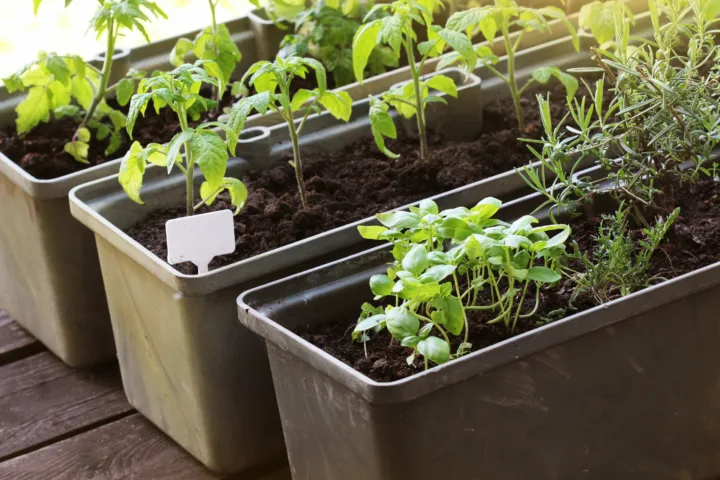
I start with a pot that has real drainage holes. No exceptions. Then I fill it with a quality potting mix that already includes slow-release fertilizer. Garden soil stays in the garden. It packs too tight in pots.
I plant tightly. Empty space looks sparse and dries out faster. Once the plants settle, I water until it runs out the bottom. After that I check the top two inches of soil every morning. Dry? Water. Still damp? Wait.
Feeding matters. I give a water-soluble fertilizer every two weeks once the plants take off. Containers leach nutrients fast. Skipping this step is why so many combinations fade early.
One more tip: pinch the tips of fillers and spillers in early summer. It forces bushier growth and keeps the thriller from getting swallowed.
Seasonal Tweaks That Extend the Life of My Pots
Cool nights in spring call for pansies and dianthus as temporary fillers. When heat arrives I swap them for the heat lovers listed above. In fall I pull the tired annuals and drop in mums or ornamental kale around the same thriller if it is still strong.
The thriller often survives the swap because its roots stay deeper. That little continuity keeps the pot from looking brand new every season.
Frequently Asked Questions
How many plants go into a typical annual container combination? A 12- to 14-inch pot usually holds one thriller, two or three fillers, and two or three spillers. Bigger pots can take more, but I never crowd so much that air stops moving between stems.
Can I mix annuals with perennials in the same container? Yes. I do it often. The perennial becomes the permanent thriller or filler, and I refresh the annuals around it each year. Just make sure the water needs match.
What is the biggest mistake people make with annual container combinations? They ignore light requirements. A full-sun plant in shade stretches and weakens. A shade plant in full sun fries. Match the light first and the rest gets easier.
Do I need to deadhead every annual container combination? Not always. Many modern calibrachoa, petunias, and verbenas self-clean. I still snip the ones that hold onto spent blooms because it keeps the pot looking fresh.
How often should I water annual container combinations in summer heat? Most of mine need water every day or every other day when temperatures stay above 85. I stick my finger in the soil. That test never lies.
I used to overthink every pot. Now I pick three plants that share the same needs, stick to the thriller-filler-spiller layout, and water with intention. The results speak for themselves. Grab a few pots this weekend and try one of these combinations. Your porch will thank you, and so will the neighbors who keep stopping to ask what you planted.