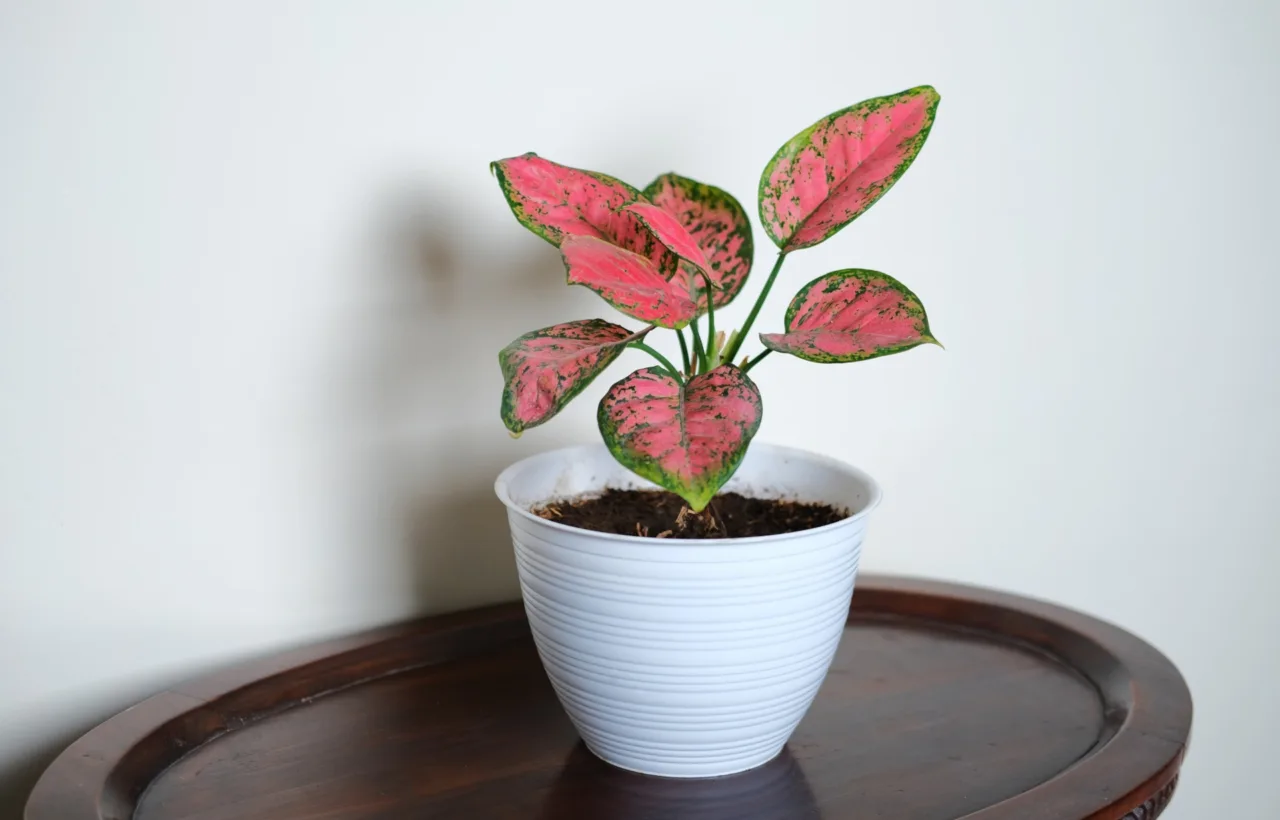

I spent three summers staring at empty pots on my porch before caladium container ideas changed everything. Those heart-shaped leaves with their wild pinks, reds, and whites just make sense in a pot. They give instant color without demanding full sun or constant fussing. I plant them now every spring, and people actually stop to ask what I’m growing.
Honestly? I used to overthink containers. Big mistake. Caladiums thrive when you keep things simple and match the pot to their needs.
Why I Plant Caladiums in Containers Instead of the Ground
Containers let me control the soil and move plants if the light shifts. My backyard has heavy clay that stays soggy. Caladiums hate that. In pots I get perfect drainage and can roll them under cover when a cold snap hits.
See, the real win is flexibility. I can group three pots of different heights near the front door and suddenly the entrance feels intentional. Or I can stick one bold red variety in a single statement pot by the steps. Either way, the leaves do the talking.
I grow both fancy-leaf types with those broad heart shapes and the narrower strap-leaf ones. Both work in containers. The strap-leaf varieties stay a bit more compact, which helps in smaller pots.
For three pots by the front door, place the tallest behind and repeat one leaf color in two containers for a deliberate grouping.
Picking the Right Container for Caladiums
Size matters more than style at first. I go for pots that measure at least 12 inches across and 10 inches deep for one or two tubers. Wider is better than deeper. Caladium roots spread out more than they dig down.
Drainage holes are non-negotiable. I drill extra ones if the pot only has one. Then I elevate the pot on little feet or bricks so water can escape freely.
Here’s what I actually use:
- Terracotta: Breathable and classic. It dries out faster, so I water more often. Great if I tend to overwater.
- Glazed ceramic: Holds moisture longer. I like the colors, but I watch the soil carefully.
- Lightweight fiberglass or resin: My go-to for the balcony. Easy to move and tough against sun.
- Wooden crates or troughs: Lined with landscape fabric. They look rustic and give roots room to stretch.
I avoid anything without drainage. One season of root rot taught me that lesson the hard way.
A gravel layer cannot replace drainage holes. It raises the saturated zone, leaving caladium roots sitting wetter than expected.
Getting the Soil and Planting Right
I mix my own. Equal parts quality potting soil, coarse perlite, and a little aged compost. That combo stays light and drains fast while still holding enough moisture.
Planting is straightforward. I wait until nighttime temps stay above 60 degrees. Tubers go in with the knobby side up, about two inches deep. Space them six to eight inches apart. Overcrowding just invites problems.
I start some tubers indoors in pots four to six weeks early if I want a head start. Once leaves appear, I move them outside after the last frost risk passes.
Water when the top inch of soil feels dry. I check with my finger every morning during hot spells. Consistent moisture is key, but never soggy.
Avoid keeping newly planted tubers heavily watered during cool weather, because dormant caladiums in cold, wet mix can rot before sprouting.
Simple Solo Caladium Container Ideas I Keep Coming Back To
Sometimes one variety is enough. A single big pot of White Queen or Candidum looks clean and modern. The pure white leaves with green veins stand out against a dark pot.
I also love a pure red like Scarlet Flame or Red Flash in a black or charcoal container. The contrast hits hard. One large tuber in a 14-inch pot fills it out nicely by midsummer.
For a softer look I plant Florida Sweetheart. Those pink and white leaves feel friendly without trying too hard.
These solo setups work especially well on steps or as a focal point on a table. Less is more when the foliage already brings the drama.
Mixed Caladium Container Ideas That Steal the Show
Mixing caladiums with each other creates layers of color. I pick varieties that share similar light needs and heights that play well together.
Bold Red and White Combos
I pair White Wonder with Scarlet Flame in a wide 16-inch pot. The white leaves act as a cool backdrop while the red ones punch through. Both handle part sun to shade. This combo looks good from spring until the first cool nights.
Soft Pastel Mixes
Chinook and White Wonder together give a cottage feel. The salmon pink against frilly white edges softens any hard patio surface. I use this near seating areas where I want something calm.
Unexpected Color Pops
Adding a lavender variety like Va Va Violet changes the whole mood. I tried it with Heart and Soul one year. The rose-red speckles and soft purple leaves felt fresh. Part shade keeps both happy.
I rotate the pot every few days so growth stays even. FYI, that little habit makes a noticeable difference by August.
Companion Plants That Make Caladium Containers Even Better
Caladiums play well with others as long as you respect their light and moisture preferences. I treat the caladium as the thriller and fill around it.
Trailing plants that spill over the edges work best:
- Creeping Jenny for chartreuse contrast
- Dichondra Silver Falls for silvery cascades
- Sweet potato vine in lime or black for bold texture
Fine-textured fillers like asparagus fern or a small coleus add softness without competing. Begonias and impatiens bring flowers if I want extra color, but the caladium leaves usually hold the attention.
One of my favorite recipes sits in a 14-inch glazed pot: two Fast Flash caladiums, one Diamond Frost euphorbia, and a trailing scaevola. The airy white flowers of the euphorbia set off the bold red-and-green leaves perfectly. Part sun keeps everything thriving.
Another solid mix uses a wooden crate with Aaron and Candidum caladiums edged with variegated thyme. The herbs help deter pests and look intentional.
I avoid heavy feeders or aggressive spreaders that would crowd the tubers.
Wear gloves when pruning Diamond Frost euphorbia, since its milky sap can irritate skin and eyes.
Everyday Care That Keeps the Display Looking Fresh
Fertilizer stays light. I use a balanced liquid feed at half strength every two weeks once leaves are up. Too much nitrogen makes the leaves soft and floppy.
Humidity helps. On dry days I mist the leaves or set pots on trays of wet pebbles. Caladiums appreciate that extra moisture in the air.
I pinch off any yellowing leaves at the base. It keeps the plant tidy and directs energy to new growth.
Pests stay minimal if airflow is good. Occasional aphids show up, but a quick spray of water usually handles them. I check undersides of leaves once a week.
By late summer the show starts to fade naturally. That’s normal. I reduce water and stop fertilizing as the leaves yellow.
What I Do When the Season Ends
In my zone the tubers need lifting. Once the foliage dies back after the first light frost, I dig them up, let them dry for a few days, and store them in a paper bag with a little peat moss in a cool dark spot. Temperatures around 50 to 60 degrees work best.
Come spring I check for firm tubers and start the cycle again. Some years I just buy new ones if storage space is tight. Either way, the process feels rewarding.
Frequently Asked Questions
How many caladium tubers should I plant in one container? One large tuber fills a 12-inch pot nicely. Two or three medium ones work in a 14- to 16-inch pot. Crowding leads to weak growth and more disease risk.
Can I grow caladium container ideas indoors year-round? Yes, if you give them bright indirect light and keep humidity up. They still go dormant eventually, so expect a rest period. I move mine inside before frost and enjoy them as temporary houseplants.
What light do caladiums need in containers? Most prefer part shade to bright indirect light. Newer sun-tolerant varieties handle more direct morning sun. Afternoon sun scorches the leaves fast, so I protect them.
Do caladiums need special fertilizer in pots? A regular balanced liquid fertilizer diluted to half strength every other week is plenty. I skip it once the plants start winding down in fall.
How do I keep caladiums from flopping in containers? Proper spacing, consistent moisture, and enough light prevent weak stems. I also avoid over-fertilizing. Strong roots equal upright leaves.
I still get excited every spring when those first pink and white leaves unfurl. Caladium container ideas turned a boring porch into the spot neighbors comment on. Start with one good pot this season. Pick a variety that catches your eye, give it the right soil and light, and watch it take over. You’ll wonder why you waited so long.