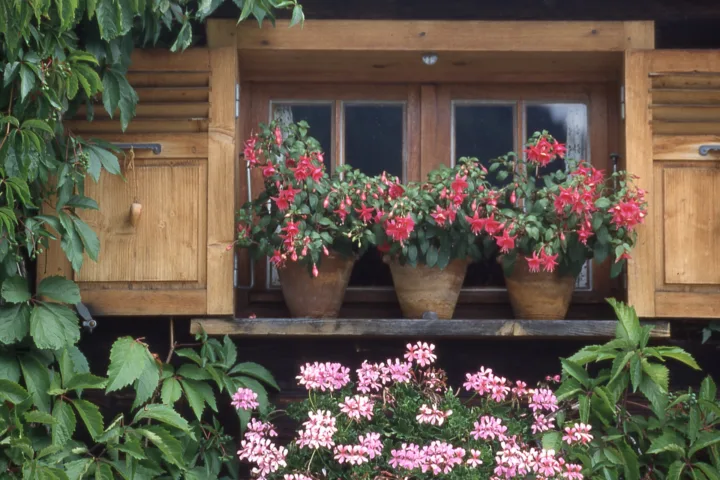
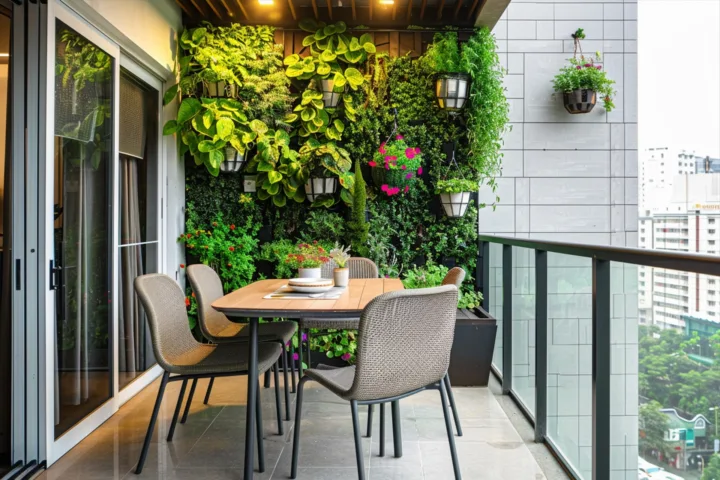
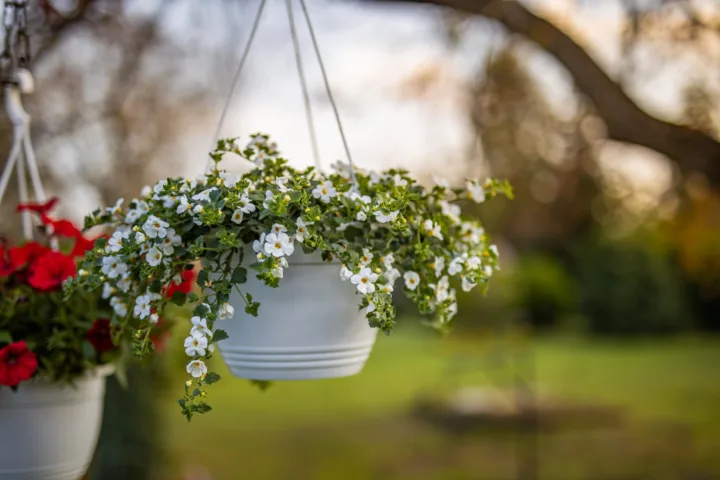
I started my first balcony garden on a windy fourth-floor apartment ledge with three sad pots and zero confidence. Those early attempts taught me more than any guidebook. The right balcony garden plants change everything. They turn a concrete slab into something green, useful, and honestly a little bit addictive.
I live in a small place. No yard. No fancy setup. Just railings, a bit of sun, and a stubborn streak. Over the years I tested dozens of options. Some died fast. Others surprised me. The ones that stuck became my regulars. I share them here so you skip the expensive failures I made.
What Makes a Plant Work on a Balcony
Balconies throw curveballs. Wind. Uneven light. Limited space. Containers that dry out in a day. I learned the hard way that ground-garden rules rarely apply.
Sun exposure decides almost everything. South-facing spots get intense light. North-facing ones stay dim. East and west fall somewhere in between. I track mine with a simple phone app for a week before I buy anything.
Wind matters more than people admit. Tall plants snap. Delicate leaves shred. I stick to compact or flexible growers now.
Containers rule the game. Drainage holes are non-negotiable. I use fabric pots and terracotta for airflow. Plastic works in a pinch if I poke extra holes.
Weight limits exist on most apartment balconies. I keep soil light with a mix of potting soil, perlite, and a bit of compost. Heavy clay stays on the ground floor where it belongs.
Best Edible Balcony Garden Plants I Actually Harvest
I want food from my space. Flowers look nice. Dinner tastes better.
Choose edible plants with repeated harvests, such as herbs or cut-and-come-again greens, so limited balcony space produces food throughout the season.
Herbs That Keep Giving
Basil tops my list every summer. I grow it in a deep pot near the railing. Full sun. Regular water. I pinch the tops so it stays bushy. One plant supplies pesto for months.
Rosemary laughs at wind. It likes sun and slightly dry soil. I keep one in a terracotta pot. The scent hits me every time I step outside. FYI, it overwinters fine if I move it against the wall on cold nights.
Thyme and oregano share a wide shallow container. They spill over the edges and ask for almost nothing. I snip them for eggs and roasted veggies.
Mint needs isolation. It takes over any shared pot. I give it its own hanging basket. Spearmint and peppermint both work. I use them in tea almost daily.
Vegetables Worth the Space
Cherry tomatoes deliver. I choose determinate or tumbling varieties. They stay compact. A single plant in a 5-gallon fabric pot gives me handfuls every week. I stake them early and water consistently. Blossom end rot shows up if I skip calcium or water unevenly.
Peppers love heat. Bell and chili types both do well. I start with small plants from the nursery. They need sun and steady moisture. One or two plants fill a corner and keep producing into fall.
Leafy greens shine in partial shade. Lettuce, spinach, and Swiss chard grow fast. I sow them in succession every few weeks. Cut-and-come-again varieties keep the harvest going. They bolt less when I give them morning light only.
Strawberries cascade from hanging baskets. Alpine or everbearing types work best. I feed them lightly and keep the soil moist. Fresh berries two steps from my kitchen feel like a small win every time.
Flowering Options That Brighten the View
I need color too. Not everything has to feed me.
Petunias cascade hard. I hang them from the railing. They bloom nonstop if I deadhead and water regularly. Wave series types stay low and dense.
Geraniums (pelargoniums) handle sun and wind better than most. I grow the zonal types in medium pots. Bright reds and pinks show up against the concrete. They bounce back after a dry spell.
Nasturtiums do double duty. Edible flowers and leaves with a peppery kick. They trail or climb depending on the variety. I plant them in poorer soil so they flower more than leaf.
Marigolds deter some pests and look cheerful. I tuck them between vegetable pots. French types stay compact.
For shade I reach for impatiens and begonias. They fill dark corners with color without complaining.
Deadhead petunias and marigolds with clean snips above a leaf pair, encouraging fresh branching without removing unopened buds.
Low-Maintenance Picks for Busy Weeks
Some weeks I travel or forget. These plants forgive me.
Succulents need almost nothing. I group small ones in shallow trays. Sedum and echeveria handle sun and dry soil. Overwatering kills them faster than neglect.
Lavender loves sun and drainage. The scent calms me after a long day. English types hold up better in containers than some French ones.
Ferns softens shady spots. Boston or maidenhair types work if I keep the soil evenly moist. I mist them on hot days.
Ivy climbs or trails. English ivy stays evergreen in many climates. It screens the railing and asks for little.
Ornamental grasses add movement. Blue fescue or small fountain grass sway in the breeze without needing much water once established.
Keep lavender and succulents separate from ferns, because evenly moist fern soil can quickly rot their roots.
How I Set Up the Space Without Overwhelm
I start small. Three to five pots max in the beginning.
I group plants by water needs. Thirsty ones sit lower so they catch drip. Drought-tolerant ones go higher.
Vertical space saves me. Rail planters. Hanging baskets. A simple trellis for peas or climbing beans. I once grew snap peas up bamboo stakes and twine. The vines reached six feet and still left floor space for a chair.
Soil quality counts. I use a lightweight potting mix designed for containers. Garden soil compacts and drains poorly. I add slow-release fertilizer at planting and switch to liquid feed every two weeks in peak season.
Watering takes attention. Containers dry faster than ground beds. I check soil with a finger daily in summer. Morning watering works best. Evening watering invites fungus in humid weather.
Pests appear. Aphids love new growth. I blast them with water first. Neem oil or insecticidal soap follows if needed. I avoid harsh chemicals because I harvest food from the same space.
Mistakes I Made So You Skip Them
I once overcrowded a railing with heavy pots. The railing flexed. Lesson learned. Weight distribution matters.
I bought full-size tomato plants. They outgrew the pots and sulked. Compact varieties exist for a reason.
I ignored drainage. Root rot took three basil plants in one week. Now every pot has holes and a saucer I empty after rain.
I planted everything at once. Staggered starts keep the harvest coming and the workload manageable.
Honestly? The biggest mistake was waiting for perfect conditions. Messy first attempts beat empty railings every time.
Seasonal Swaps That Keep Things Fresh
Spring brings cool-weather greens and early herbs. I start seeds indoors under a cheap grow light if the nights stay cold.
Summer shifts to heat lovers. Tomatoes, peppers, basil, and cascading flowers take center stage.
Fall means more greens and chrysanthemums for color. I pull spent annuals and plant garlic or overwintering herbs.
Winter forces choices. Hardy rosemary and thyme stay outside in my climate with some protection. Tender plants move indoors near a bright window. Some years I treat the balcony as a cold frame with row cover.
Frequently Asked Questions
What are the easiest balcony garden plants for complete beginners? Herbs like basil, mint, and rosemary plus cherry tomatoes and petunias. They forgive inconsistent watering better than most and still reward you quickly.
How much sun do most balcony garden plants need? Most edibles and flowering annuals want at least six hours. Leafy greens and some herbs manage with four. I match plants to the light I actually have rather than the light I wish for.
Can I grow vegetables successfully in small pots? Yes if you choose compact varieties and keep the pots large enough. Five gallons works for tomatoes and peppers. Smaller pots suit lettuce and herbs. Consistent water and food become more important as pot size shrinks.
Do I need special soil for balcony containers? Regular garden soil stays too heavy and drains poorly. I use a quality potting mix with perlite or coco coir for lightness and drainage. Adding compost helps long-term nutrition.
How do I protect plants from strong wind on a high balcony? Choose low-growing or flexible plants. Group pots to create windbreaks. Secure tall ones with stakes. Rail planters with sturdy clips stay put better than freestanding pots in gusts.
I still kill plants sometimes. A heat wave last July took two of my best pepper plants. I shrugged and replanted. The point is the trying.
Start with two or three pots this weekend. Pick something you will actually use or enjoy looking at. Water it. Watch it. Adjust next season. My balcony looks nothing like the Pinterest boards. It looks like mine. That feels better than perfect ever could.
Go plant something. The concrete will wait.