
I started my indian balcony garden on a narrow concrete strip that barely held three plastic chairs. The space felt hopeless at first. Hot winds, limited sun angles, and zero soil to dig into made me doubt the whole idea. Yet that same strip now holds herbs I snip for dinner, flowers that scent the evening air, and enough green to make me step outside every morning with a grin.
Honestly? I almost gave up after the first heatwave killed half my plants. The ones that survived taught me more than any glossy guide. I share those lessons here so you skip the same losses.
Why an Indian Balcony Garden Feels Different from the Rest
Indian city balconies deal with extremes. Summers push temperatures past 40°C. Monsoon turns everything soggy. Winters stay mild in most places yet still dry out pots fast. Space stays tight. Neighbours hang laundry. Railings limit what you can hang.
I learned early that copying Western balcony setups fails here. Those setups assume cooler nights and steady moisture. My plants needed tougher choices. They needed pots that drain fast and plants that forgive a missed watering.
See, the goal is not a magazine spread. The goal is a spot that stays alive through the seasons and gives you something back. Fresh curry leaves. A quiet place to sit. A bit of cool shade when the concrete radiates heat.
Assessing Your Balcony Before You Buy a Single Plant
I wasted money on plants that hated my west-facing exposure. Do not do that.
Stand outside at different times for a full day. Note when the sun hits and for how long. Morning light is gentle. Afternoon light on a west or south side can scorch leaves.
Check wind. High floors get stronger gusts that dry soil quicker. Look at the railing strength. Heavy pots need solid support.
I keep a simple notebook. One page for light hours. One for wind notes. That page saved me from buying shade lovers for a full-sun ledge.
Use a white wall or reflective railing shade cloth to reduce west-facing heat without blocking the gentle morning light your balcony may receive.
Drainage and Weight Rules I Live By
Every pot must have holes. Standing water kills roots faster than drought in our humidity. I drill extra holes in plastic containers when the factory ones look too few.
Weight matters on higher floors. Clay pots look lovely yet turn heavy when wet. I mix in lighter plastic or fibre ones for the larger plants. Building rules sometimes limit total load. I stay under that limit by stacking lighter planters vertically.
Choosing Plants That Actually Survive an Indian Balcony Garden
I tested dozens. Some thrived. Many did not. Here is what works for me now.
Sun-loving tough ones:
- Portulaca for bright colour that needs almost no care
- Bougainvillea for long blooms on a sunny railing
- Jade plant and aloe for heat tolerance
- Marigold and periwinkle for seasonal colour
Low-light or partial-shade survivors:
- Money plant (pothos) that trails or climbs
- Snake plant that stands upright and ignores neglect
- Spider plant for hanging pots
- Areca palm for height and soft fronds
Kitchen staples I never skip:
- Tulsi for its daily use and mosquito-repelling scent
- Mint that spreads fast in a wide pot
- Curry leaves in a deeper container
- Green chillies and coriander for quick harvests
I start most of these in 6- to 10-inch pots. Larger plants move to 12-inch ones once roots fill the first home. Soil mix stays light: equal parts garden soil, cocopeat, and compost. I add a handful of sand for extra drainage in the rainy months.
Honestly? The first time my tulsi survived a full summer I felt like I had won a small prize.
Keep mint in its own container, because its aggressive spread can quickly crowd curry leaves, coriander, and other kitchen plants.
Space-Saving Tricks That Changed Everything for Me
Floor space vanishes fast. I shifted everything upward.
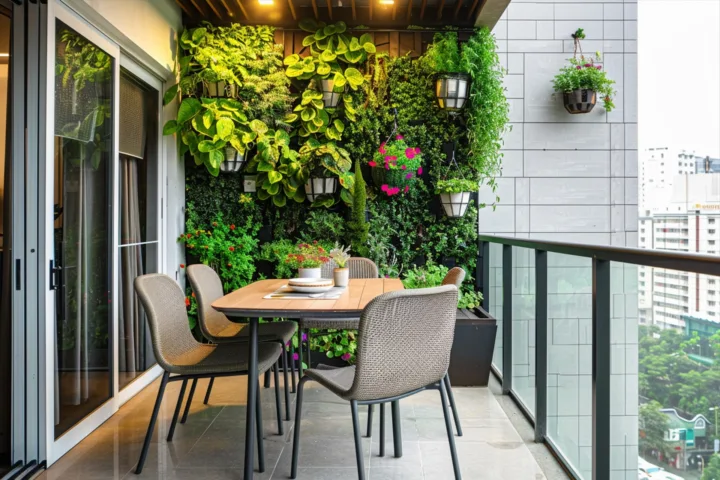
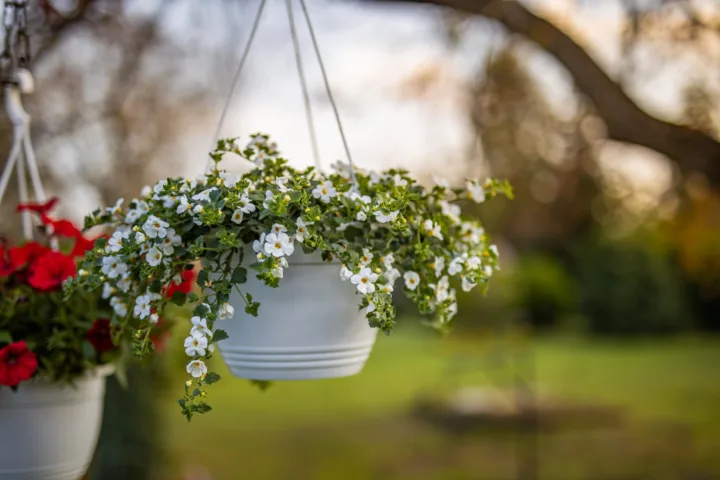
Vertical shelves against the wall hold three tiers of small pots. Railing planters hook on without drilling. Hanging baskets from the ceiling or overhead bar free the ground completely.
I train money plant and jasmine along the grill. They form a green screen that also softens the view of the next building. A slim trellis in one corner supports a climber without blocking the walkway.
One folding stool and a small side table fit between the pots. That seating turns the balcony into a place I actually use rather than just water.
My Simple Watering Routine
Indian summers demand daily checks. I water early morning so leaves dry before the heat peaks. In monsoon I water only when the top inch of soil feels dry. Overwatering becomes the bigger risk then.
I stick a finger in the soil. If it comes out clean and dry, the plant needs a drink. If it sticks with damp earth, I wait. This method beats any fancy moisture meter I tried.
Self-watering pots help when I travel for a few days. The reservoir keeps roots happy without me hovering.
Handling the Monsoon and Peak Heat Without Panic
Monsoon once flooded my pots and invited fungus. Now I elevate every container on small bricks or pot feet. Water drains away instead of sitting. I clear saucers daily so mosquitoes find no home.
During heatwaves I move sensitive pots to the shadier side for a few hours. A light shade cloth stretched over the hottest corner protects new seedlings. I mist the leaves of ferns and money plant in the evening when the air stays dry.
I stopped fighting the seasons. I work with them. Summer means fewer flowers and more focus on hardy foliage. Monsoon means growth spurts for the survivors. Winter means extra colour from seasonal blooms.
Turning the Space into Something Personal
Plants alone feel incomplete. I added string lights along the railing. They turn the balcony usable after dark. A small clay water bowl with a floating flower sits in one corner. The soft sound masks distant traffic.
I painted a few old tin cans bright colours and planted them with coleus. Those free planters cost nothing yet add personality. Friends notice them first when they visit.
The space now holds morning chai and evening quiet. That shift from utility strip to lived-in corner makes the effort worthwhile.
Common Mistakes I Made So You Can Skip Them
I overcrowded the first year. Plants competed for light and air. Now I leave gaps so each one breathes.
I chose pots without drainage. Roots rotted. Every pot now has clear holes and I check them after heavy rain.
I ignored orientation. West-facing heat scorched tender leaves. Matching plant to light fixed that.
I fertilised too often. Soft growth invited pests. A light dose of organic compost every six weeks works better for me.
See, most problems come from treating the balcony like an indoor shelf. It is outdoor. It faces real weather. Adjust for that and results improve fast.
Frequently Asked Questions
How much sunlight does an indian balcony garden need to succeed? Most of my plants do well with four to six hours. Full-sun lovers like portulaca and bougainvillea want more. Shade-tolerant ones like snake plant manage with less. I match the plant to the actual light my balcony gets rather than wishful thinking.
Can I grow vegetables in a small indian balcony garden? Yes. I grow spinach, chillies, tomatoes in larger pots, and mint with ease. They need consistent water and at least four hours of sun. Start with two or three types so you learn without overwhelm.
What soil mix works best for Indian balcony pots? I use a light blend of garden soil, cocopeat, and compost. It drains well yet holds enough moisture. Pure garden soil packs hard and stays wet too long in monsoon.
How do I stop mosquitoes breeding in my balcony pots? Empty saucers every day. Elevate pots so water cannot pool underneath. I also keep a small tulsi plant nearby because its scent helps discourage them.
Is an indian balcony garden possible if I rent the flat? Absolutely. I use freestanding shelves, hanging planters that hook on, and railing pots that need no drilling. Everything moves with me if needed.
I still lose the occasional plant. That is part of the process. Each loss teaches me something new about light or water or timing. The wins feel bigger because of them.
Start small. Pick two or three plants that match your light. Get the drainage right. Water with attention rather than schedule. Watch what thrives and expand from there.
My indian balcony garden began as a concrete afterthought. It became the part of home I look forward to most. Yours can do the same. Grab one pot this weekend and begin.