
I never planned to grow food in pots. My first season of container gardening vegetables started out of pure frustration with a rented balcony that got six hours of sun and zero actual dirt.
Honestly? I almost quit after the first round of wilted lettuce.
What pulled me through was seeing those first cherry tomatoes turn red right outside my kitchen door. That single harvest sold me. If you have a patio, a stoop, or even a sunny windowsill, you can do this too. I will walk you through every step I took, the mistakes that cost me plants, and the exact setup that finally produced real food.
Why Container Gardening Vegetables Became My Only Option
I live in a second-floor apartment. Digging a traditional garden was never on the table. Container gardening vegetables let me skip the bad soil, the landlord rules, and the endless weeding.
The pots sit where the light is best. I can move them when a heat wave hits. And I control every drop of water and every bit of fertilizer.
See, the real win is control. Ground gardens fight you on drainage and pests. Containers fight you on drying out too fast. Once I stopped fighting the pots and started working with them, the harvests got consistent.
Choosing Containers That Do Not Fail You
Size matters more than looks. I learned that the hard way when my first tomatoes stayed tiny in undersized pots.
Go big on root space. Tomatoes, peppers, and cucumbers need at least a 5-gallon container. Leafy greens and radishes do fine in 2- to 3-gallon pots.
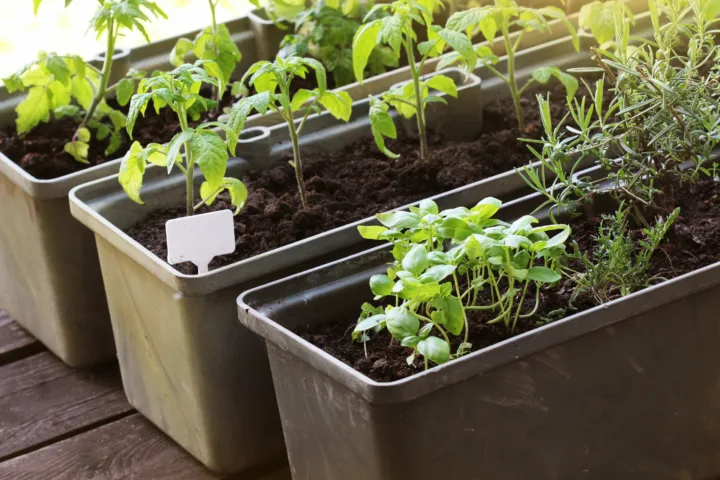
I use a mix of fabric grow bags and plastic pots with plenty of drainage holes. Fabric bags air-prune the roots and keep plants from getting root-bound. Plastic holds moisture longer on hot days.
FYI, I drill extra holes in every plastic pot I buy. One big hole is not enough.
Whatever you pick, make sure excess water can escape. Root rot ends more container gardens than any pest ever will.
Skip gravel beneath the potting mix: it does not improve drainage and reduces the root volume available to patio vegetables.
My Current Container Lineup
- Three 10-gallon fabric bags for determinate tomatoes
- Two 5-gallon plastic pots for peppers
- A long 3-gallon window box for lettuce and radishes
- Smaller 1-gallon pots for herbs
That setup feeds me salads and salsa all summer without taking over the whole balcony.
Best Vegetables for Container Gardening That Actually Deliver
Not every vegetable belongs in a pot. I wasted time on sprawling zucchini before I stuck to compact types.
Tomatoes top my list every year. I grow determinate or patio varieties only. Bush Early Girl and Tiny Tim both produced more fruit than I expected in 5- and 10-gallon containers. Stake or cage them the day you plant. Waiting until they flop makes a mess.
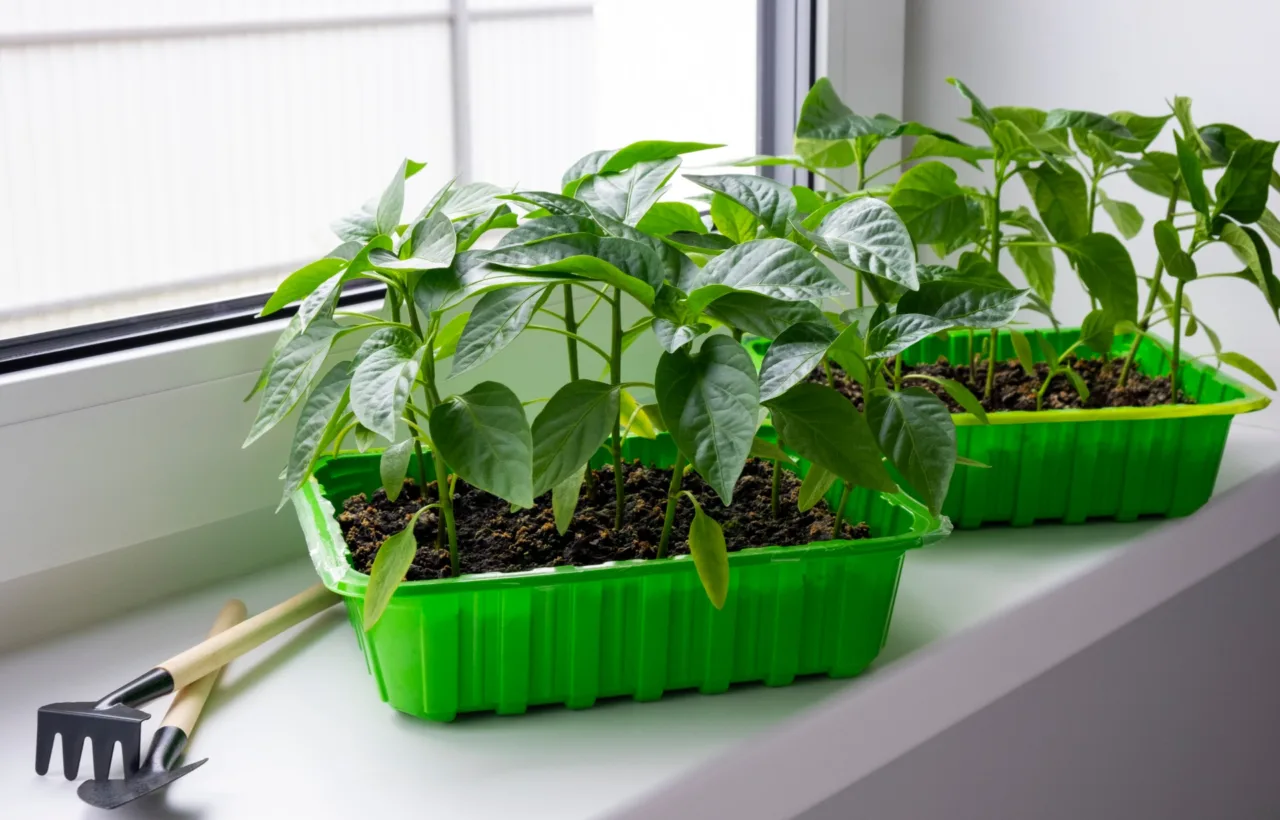
Peppers love the heat that builds in containers. I plant one plant per 5-gallon pot. The soil warms faster than garden beds, so I get earlier harvests. Jalapeños and compact sweet peppers both work.
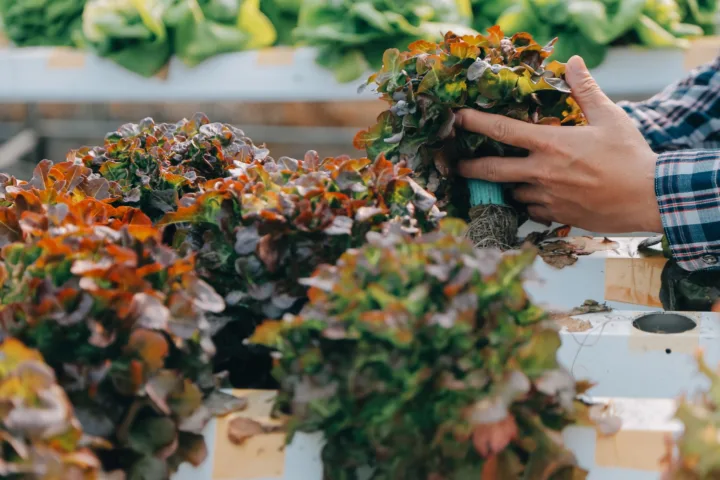
Lettuce and other greens keep producing. I sow leaf lettuce every two weeks in shallow boxes. Cut outer leaves and the plant keeps going. Spinach and arugula follow the same pattern.
Bush beans and radishes fill the gaps. Beans give me protein without needing a trellis. Radishes mature in under a month and remind me the system works even when other crops lag.
I skip full-size pumpkins and vining cucumbers. They take over. Compact bush types exist if you really want them, but I leave those for people with more space.
Check mature width on seed packets, not just “patio” labels, so compact tomatoes and peppers fit their containers at full size.
Soil Mix and Planting Steps That Saved My Season
Garden soil is a trap in containers. It compacts and holds too much water.
I fill every pot with a light potting mix made for containers. Then I mix in a handful of compost and a slow-release organic fertilizer. That combination holds moisture without drowning roots.
Planting is simple. I set the plant at the same depth it grew in its nursery pot, except tomatoes. Those I bury deeper so extra roots form along the stem.
Water thoroughly right after planting. Then check the top inch of soil every day for the first week. Containers dry out faster than you expect.
Watering and Feeding Without Guesswork
This is where most people lose plants. I did too.
Containers need more frequent water than ground gardens. In midsummer heat I water every morning. On the hottest days I water twice.
I stick my finger in the soil. If the top inch feels dry, I water until it runs out the bottom. No fixed schedule. Just the finger test.
Fertilizer matters because potting mix runs out of nutrients fast. I use a liquid organic feed every two weeks once plants start flowering. Tomatoes and peppers especially need the extra boost for fruit set.
IMO the biggest shift came when I stopped treating all pots the same. Leafy greens need less fertilizer than fruiting plants. Adjusting that one detail cut down on leggy, weak growth.
Every few weeks, flush containers with plain water to wash away fertilizer salts, especially after feeding flowering tomatoes and peppers.
Mistakes I Made So You Skip Them
I planted too many seeds in one pot the first year. Crowding stunted everything. Now I follow spacing rules even when the pot looks empty at the start.
I used regular garden soil once. The pots stayed soggy and the roots rotted. Never again.
I forgot to check drainage holes after a heavy rain. Standing water killed a whole tray of seedlings. Now I tilt pots slightly after storms so water drains.
I also tried growing indeterminate tomatoes in small pots. They needed constant water and still produced poorly. Determinate varieties solved that.
Frequently Asked Questions
How much sun do container gardening vegetables need? Most fruiting crops want six to eight hours of direct sun. Leafy greens tolerate four to five hours. I move pots around the balcony to chase the light.
Can I use regular potting soil from the big-box store? Yes, as long as it is labeled for containers and drains well. Avoid anything that feels heavy or clay-like.
What is the easiest vegetable to start with in containers? Leaf lettuce or radishes. They mature fast and forgive small watering mistakes. Success with those builds the confidence to try tomatoes next.
Do I need special fertilizer for container gardening vegetables? A balanced liquid fertilizer works. I switch to one higher in potassium once flowers appear on tomatoes and peppers.
How often should I water in hot weather? Daily at minimum. Sometimes twice. The finger test never lies.
Final Thoughts From My Balcony
Container gardening vegetables turned a concrete slab into a working food source. I still lose the occasional plant to heat or a forgotten watering. That is part of the process.
The difference now is I know why it happened and how to fix it next time. Start with two or three pots. Grow what you actually eat. Check the soil every day.
You will make mistakes. I did. The pots will still produce. And the first time you walk outside and pick a tomato for dinner, you will understand why I keep doing this every single season.