
I started growing strawberries in containers because my backyard is basically a postage stamp. Limited space never stopped me from wanting handfuls of ripe berries in June. The first season I tried a random pot from the garage. It dried out fast. The plants sulked. I nearly gave up.
Then I paid attention to the strawberry container itself. Size. Material. Drainage. Placement. That shift made the difference. Now I pull clean, sweet fruit from a few pots every summer without fighting weeds or ground pests. You can do the same.
This is the exact approach I use now. No fancy setup required.
Why a Strawberry Container Works Better Than a Garden Bed for Me
I used to think strawberries needed a big patch of ground. They don’t. Their roots stay shallow. They spread sideways with runners instead of diving deep. A wide, shallow strawberry container matches that habit perfectly.
Ground beds bring problems I got tired of fighting. Slugs. Mud-splashed fruit. Weeds that sneak in overnight. Containers lift everything up. Berries stay clean. Harvesting feels easy. I can move the pots if the sun shifts or a storm rolls in.
Honestly? The control is what sold me. I decide the soil mix. I decide the water schedule. I decide the fertilizer. No surprises from native dirt that drains too slow or too fast.
What Makes a Good Strawberry Container
I learned the hard way that not every pot works. Depth matters less than width and drainage. Strawberries hate wet feet. They also hate drying out completely between waterings.
On a sunny patio, light-colored containers reduce root-zone heat compared with black plastic, especially during berry production.
Size and Shape Rules I Follow
I stick to these minimums:
- At least 8 inches deep
- At least 10 to 12 inches wide for two or three plants
- Wider is better than deeper
A single plant can live in a smaller pot, but I rarely bother. Bigger containers hold moisture longer and give roots room to spread. I once tried a tall narrow pot. The plants stayed small and the berries stayed tiny. Never again.
Classic strawberry pots with side pockets look charming. I own two. They pack a lot of plants into a small footprint. The downside is uneven watering. The top dries while the bottom stays soggy if I’m not careful. Fabric grow bags with side pockets solved that for me. They drain fast and air-prune the roots so the plants stay healthy longer.
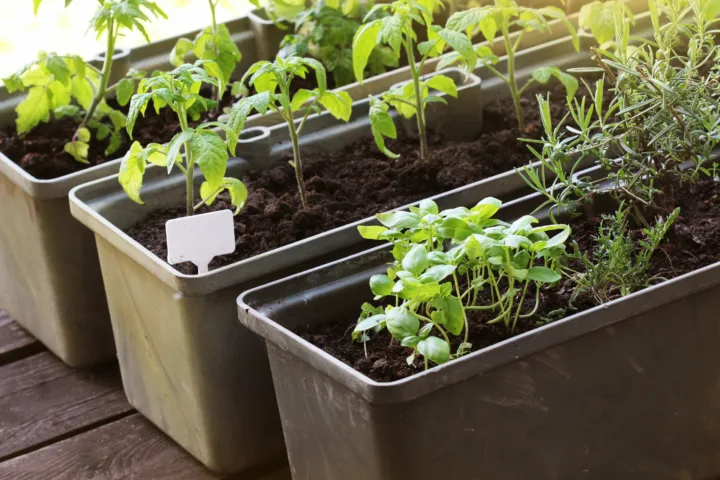
Hanging baskets work great too if you have a sturdy hook and remember to water more often. Window boxes and long troughs fit narrow railings perfectly.
Materials That Actually Hold Up
Terracotta looks classic. It also dries out in a single hot afternoon. I still use it, but I check the soil twice a day in July.
Plastic and resin hold moisture better. They’re lighter too, which helps when I need to shift pots around the patio. Fabric bags are my current favorite for pure production. They breathe. Roots stay happy. The bags fold flat when the season ends.
Whatever you choose, make sure it has real drainage holes. I add a few extra if the pot comes with only one tiny hole. Standing water kills strawberry plants faster than anything else I’ve seen.
Best Strawberry Varieties for Containers
June-bearing types give one big flush then stop. I prefer day-neutral or everbearing varieties for containers. They keep producing from early summer until frost if I keep them fed and watered.
My current lineup:
- Albion: Large, firm berries with real flavor. Handles heat well.
- Seascape: Reliable and sweet. Good for beginners.
- Tristar: Smaller fruit but constant production. Compact habit.
- Ozark Beauty: Classic everbearing that still delivers in pots.
I also tried alpine types like Alexandria one year. Tiny berries. Intense flavor. No runners. They stay neat in small containers. Fun experiment, but I go back to the bigger-fruiting day-neutrals for actual kitchen use.
Buy bare-root crowns or healthy transplants in early spring. Plant them as soon as the soil is workable. Waiting never helps.
After planting early-spring crowns, pinch the first blossoms for about four weeks so plants establish stronger roots before fruiting.
How I Plant Strawberries in a Container
I keep the process simple.
- Fill the container most of the way with a quality potting mix made for containers. I mix in a bit of compost for extra life.
- Set each plant so the crown sits right at soil level. Burying the crown is a common mistake that leads to rot.
- Fill around the roots and firm the mix gently.
- Water thoroughly until water runs out the bottom.
- Add a light mulch of straw on top. It keeps the fruit clean and the soil cooler.
I space plants about 8 inches apart. Crowding reduces airflow and invites disease. In a pocket planter I put one plant per pocket and a few on top.
Full sun is non-negotiable. Six hours minimum. Eight is better. I rotate pots every few days so every side gets light.
Set the container in its permanent patio spot before filling, since a saturated pocket planter can be awkward and risky to move.
Watering, Feeding, and Everyday Care
Container plants dry out faster than ground plants. In summer heat I water every day, sometimes twice. The top inch of soil should feel dry before I water again. I water at the base, not over the leaves, to keep disease pressure low.
I feed weekly with a balanced liquid fertilizer once flowers appear. High-potassium formulas help fruit set. I stop heavy feeding late in the season so the plants harden off before winter.
Pests still show up. Aphids. Spider mites. The occasional slug that climbs. I check the undersides of leaves regularly. A strong spray of water usually knocks aphids off. For worse cases I use insecticidal soap. Birds love the ripe fruit, so I drape light netting over the pots when berries start coloring.
Runners appear mid-season. I either snip them off to keep energy in the fruit or let a few root in nearby pots if I want more plants next year.
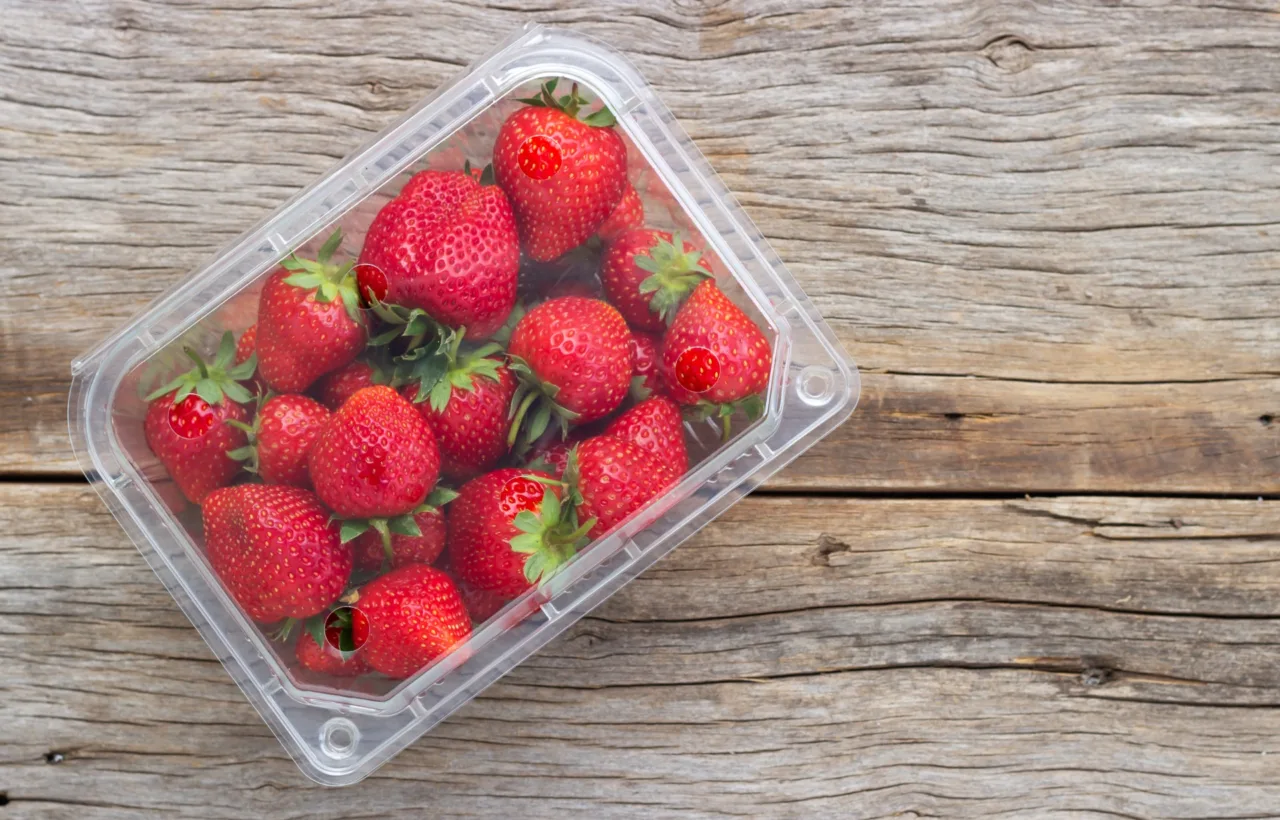
Harvest berries when fully red, leaving the green cap attached until picking; frequent harvests also reduce ripe fruit losses to birds and slugs.
Common Mistakes I Made (So You Don’t Have To)
I overwatered the first year. Roots rotted. Lesson learned: drainage first.
I planted too deep. Crowns disappeared under soil. More rot.
I chose June-bearing varieties for pots and waited all summer for a second crop that never came. Day-neutrals fixed that.
I left pots sitting in saucers full of water. Standing water is death. I now use pot feet or a gravel layer so excess water drains away completely.
I also tried to overwinter plants outdoors in containers without protection. Most died. Now I treat them as annuals in cold climates or move the pots to a sheltered spot and mulch heavily. Some gardeners dig the plants out and plant them in the ground for winter. I usually start fresh with new crowns each spring. Easier.
A gravel layer inside the pot does not replace drainage holes and can keep roots wetter; use clear holes and pot feet instead.
Real Results from My Patio Setup
Last summer I ran three fabric grow bags and two classic pocket planters. Total footprint was smaller than a standard parking space. I harvested berries from late May through September. Not supermarket-perfect every day, but enough for breakfast, snacks, and a few jars of jam.
The berries tasted better than anything I used to buy. Sweeter. More aromatic. No travel time from farm to store. That difference alone keeps me planting every year.
FYI, the fabric bags produced the heaviest yields for the space they took. The terracotta pots looked prettier but needed more babysitting on hot days.
Frequently Asked Questions
How big does a strawberry container need to be? I never go smaller than 10 inches wide and 8 inches deep for more than one plant. Wider containers give better results and need less frequent watering.
Can I grow strawberries in a strawberry container year after year? In mild climates yes, with good winter protection. In colder zones I treat most plants as annuals and start fresh. The effort of babying weak overwintered plants rarely pays off for me.
Do strawberry containers need special soil? Regular garden soil packs down and drains poorly in pots. I always use a light, well-draining potting mix made for containers and add compost. That combination keeps roots healthy.
How often should I water a strawberry container? Daily in hot weather. Check the soil with your finger. Water when the top inch feels dry. Consistency matters more than volume.
What’s the easiest strawberry container for beginners? A wide plastic or fabric pot with good drainage holes. Pocket planters look fun but take more practice to water evenly. Start simple and expand once you get the rhythm.
I still get a small thrill every time the first ripe berry turns fully red. That color against the green leaves never gets old. A good strawberry container turns a bare patio corner into something productive and cheerful. Start with one solid pot this season. Watch what happens. Then decide if you want more. I bet you will.