
I started my container garden on a cramped second-floor balcony with zero dirt in sight. The space was concrete, windy, and about as inviting as a parking lot. Still, I wanted fresh herbs and a few tomatoes without waiting for a house with a yard. That first season taught me more than any glossy magazine spread ever could.
Container gardening works because it puts control right in your hands. You pick the soil. You pick the light. You move pots when the sun shifts. I lost a few plants along the way. Honestly? Those failures made the wins taste better.
Why a Container Garden Fits Almost Any Life
Most people think you need a backyard. I used to think that too. Then I watched a neighbor grow peppers in five-gallon buckets lined up against a brick wall. She harvested more than some of my friends with full plots.
A container garden solves real problems. Bad soil? Skip it. Limited space? Use the railing. Renting? Take everything with you when you move. I keep my pots on wheeled plant caddies so I can chase the sun or roll them inside during a hard freeze.
The biggest shift for me came when I stopped treating pots like temporary fixes. They became the garden. No more waiting for the perfect property. I grow what I want, where I am.
The Practical Upsides I Noticed Right Away
- Portability means I can protect tender plants overnight without digging anything up.
- Fewer weeds show up because I control every inch of soil.
- Better drainage happens when I choose the right mix instead of fighting native clay.
- Instant color appears the day I plant, which feels satisfying after a long winter.
Watering takes more effort. That is the trade-off. Pots dry out faster than ground beds. I accept it and plan around it.
Choosing Containers That Actually Work
I bought cheap plastic pots the first year. They cracked after one winter. Lesson learned. Size and material matter more than looks.
Bigger pots hold more soil and stay moist longer. I aim for at least five gallons for tomatoes and peppers. Herbs do fine in smaller ones, but I still prefer room to grow.
Dark containers can overheat balcony roots in direct sun, so choose lighter colors or shade the pot’s sides during summer.
Materials I Prefer Now
- Plastic or resin stays light and holds moisture well. I use these for most vegetables.
- Fabric grow bags breathe and prevent circling roots. Great for potatoes and root crops.
- Terracotta looks classic but dries out fast. I reserve it for succulents or plants that hate wet feet.
- Wood planters add warmth, yet they need lining so the wood lasts.
Drainage holes are non-negotiable. I drill extra ones if the pot comes with only one tiny opening. Standing water kills roots faster than almost anything else.
I once planted a beautiful coleus in a ceramic pot with no drainage. It looked perfect for two weeks. Then the leaves yellowed and the whole thing collapsed. Never again.
Soil Mixes That Keep Roots Happy
Garden dirt fails in pots. It packs down and stops air from reaching the roots. I learned this the hard way when my first batch of basil turned yellow and sad.
I buy a quality potting mix labeled for containers. It stays light and drains while still holding moisture. Some brands already include slow-release fertilizer. That helps in the early weeks.
My Simple Custom Mix When I Want Extra Control
I combine equal parts potting mix, compost, and perlite. The compost feeds the plants. The perlite keeps everything airy. Sometimes I add a handful of worm castings for a gentle nutrient boost.
Never skip the drainage layer idea if the pot is deep. A few broken pottery pieces or a thin layer of coarse gravel at the bottom helps excess water escape. I used to ignore this step. My plants paid the price.
Plants That Thrive in a Container Garden
Not every plant loves life in a pot. I stick to ones that stay compact or produce well in limited soil.
Vegetables That Deliver for Me
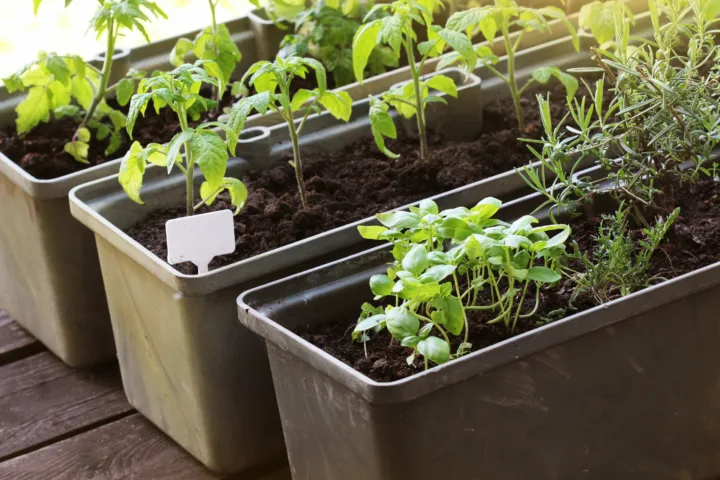
- Cherry tomatoes and determinate varieties stay manageable and fruit heavily.
- Peppers of almost any kind love the heat that builds in pots.
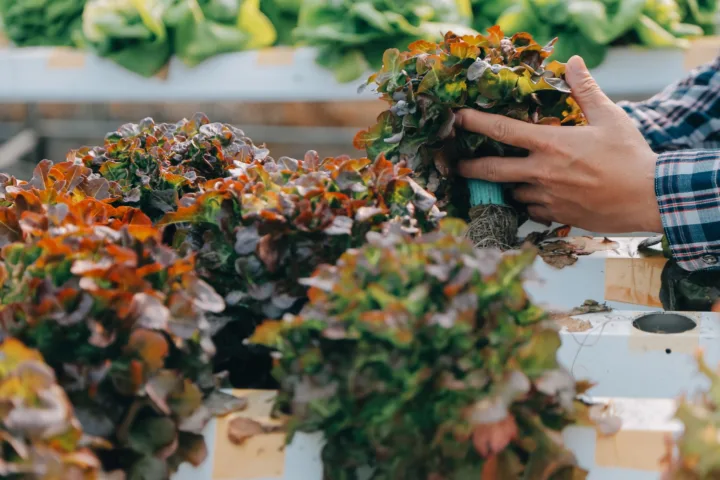
- Leaf lettuce and spinach give quick harvests and handle partial shade.
- Bush beans produce without needing a huge footprint.
- Radishes and green onions finish fast and free up space for the next crop.
Herbs I Always Keep Close
Basil, mint, parsley, chives, and thyme sit right outside my kitchen door. I snip what I need while dinner cooks. Mint spreads aggressively, so it gets its own pot. No exceptions.
Flowers for Color and Pollinators
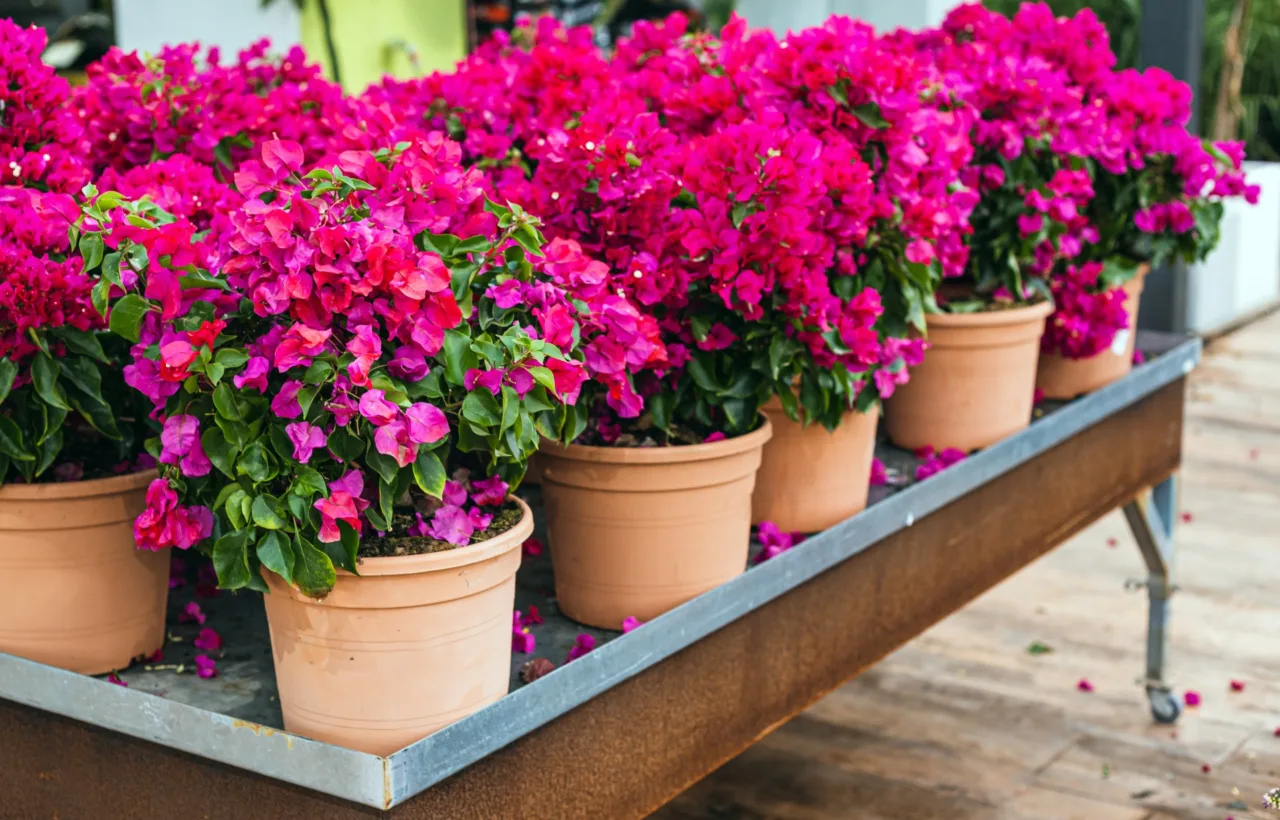
Petunias, calibrachoa, and trailing verbena spill over the edges. Coleus adds foliage interest even when flowers take a break. I plant a few marigolds near the vegetables because they seem to discourage some pests.
The thriller-filler-spiller approach still works. One tall plant in the center. Medium mounding plants around it. Trailing ones that cascade over the rim. I follow this formula when I want a pot that looks intentional instead of random.
Watering and Feeding Without the Drama
Watering is the part that trips people up. Containers dry out faster, especially in wind or full sun. I check the soil with my finger every morning. If the top inch feels dry, I water until it runs out the bottom.
In peak summer heat I sometimes water twice a day for smaller pots. Larger ones hold on longer. Early morning is best. The plants take up moisture before the day gets intense.
Fertilizer matters because nutrients wash out with every watering. I use a balanced liquid feed every two weeks once plants start growing strongly. Slow-release granules mixed into the soil at planting give a steady base.
Self-watering containers help on busy weeks. I still check them, but they buy me a day or two of grace.
When combining slow-release granules with biweekly liquid feed, follow both labels carefully to prevent fertilizer salt buildup in container soil.
Common Mistakes I Made (So You Can Skip Them)
I planted too many seedlings in one small pot. Roots fought for space and everything stayed stunted. Now I follow the spacing on the plant tag or seed packet and resist the urge to overcrowd.
I ignored light needs. Some plants want six to eight hours of direct sun. Others burn in that much. I watch the balcony throughout the day and move pots as needed. Shade-loving plants go against the wall. Sun lovers claim the open railing.
I forgot about wind. Tall plants tipped over or dried out faster on breezy days. Stakes and heavier pots solved most of that.
I waited too long to repot. Roots circling the bottom of a pot signal it is time for a bigger home. I check once a season and move things up when needed.
After heavy rain, empty saucers and check drainage holes, because saturated balcony containers can damage roots even when plants look healthy.
Designing for Looks and Function
A container garden can look intentional or messy. I group pots of different heights for visual interest. Three pots together usually look better than one lonely one.
Color repetition helps. I pick two or three flower colors and repeat them across several containers. The eye reads it as a planned space instead of a random collection.
I leave paths for walking and watering. Crowding every inch makes care harder and plants suffer from poor air flow.
Vertical space counts too. Hanging baskets and wall-mounted planters free up floor room. I grow strawberries in a hanging setup that keeps the fruit clean and easy to pick.
Seasonal Adjustments That Keep Things Going
Spring starts with cool-season crops like lettuce and peas. I plant them early and harvest before the heat hits. Summer brings the heat lovers. Fall means another round of greens and maybe a late batch of radishes.
In colder months I move the most valuable pots indoors near a bright window or under a simple grow light. Herbs especially appreciate the extra season.
I clean pots between plantings. Old soil can harbor pests or disease. A quick scrub and fresh mix reset the system.
Frequently Asked Questions
How often should I water a container garden? Check the soil daily. Water thoroughly when the top inch feels dry. In hot weather that can mean once or twice a day for smaller pots.
What size container works best for vegetables? Most fruiting plants need at least five gallons. Leafy greens and herbs manage in smaller pots, but bigger always gives more buffer against drying out.
Can I use regular garden soil in pots? No. It compacts and drains poorly. Stick with a quality potting mix made for containers.
Do container gardens need fertilizer? Yes. Nutrients wash out quickly. Feed regularly with a balanced fertilizer once plants are established.
Which plants grow best for absolute beginners? Start with herbs, leaf lettuce, cherry tomatoes, and peppers. They forgive small mistakes and give quick results.
I still check my pots every morning with a cup of coffee in hand. That small ritual keeps me connected to the plants. Some days the harvest is just a handful of basil. Other days I fill a bowl with tomatoes that taste like summer itself.
A container garden does not require perfection. It asks for attention and a willingness to adjust. I started with one sad pot of basil. Now the balcony holds more life than I ever expected from a concrete square. You can start the same way. Pick one container. Fill it with good mix. Plant something you actually want to eat or look at. Watch what happens next.