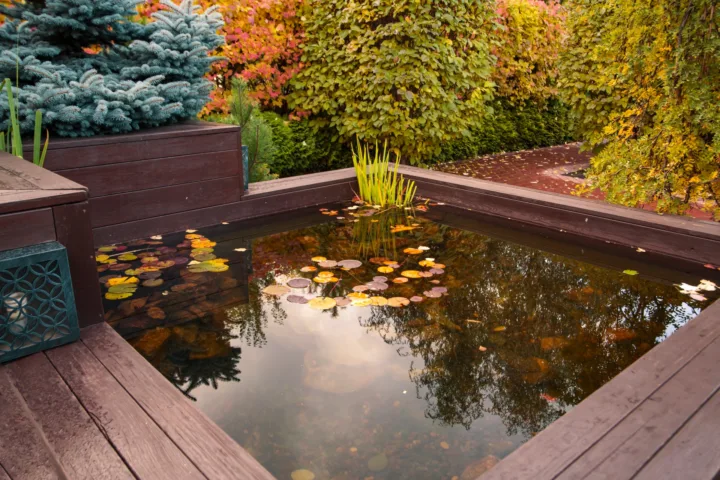

I always wanted the sound of water and the flash of swimming fish near my door. A full in-ground pond never fit my small patio. So I built a container pond with fish instead. That choice still makes me smile every morning when I step outside with coffee.
Honestly? The first attempt failed. I overcrowded it and watched the water turn murky fast. The second time I got it right. Now I keep a handful of small fish happy in a simple tub that sits right where I can see it from the kitchen window. You can do the same even if your outdoor space is tiny.
Why a Container Pond with Fish Made Sense for Me
I live in a place with limited yard room. Digging a hole was never realistic. A container pond with fish solved that problem without needing a backhoe or a big budget. I placed it on the patio, filled it, and added life. The fish eat mosquito larvae. The plants clean the water. The whole thing stays compact.
See, the appeal is simple. You get movement, color, and a mini ecosystem without committing to a permanent feature. I notice frogs visit now and then. Dragonflies hover. My patio feels more alive. That was the real win for me.
Choosing the Right Container for a Healthy Setup
Size matters more than style. I started with something under 20 gallons and regretted it. The water heated too fast and quality crashed. My current container holds about 40 gallons. That volume gives the fish room and keeps temperature swings milder.
A 40 gallon pond weighs roughly 330 pounds before adding the container, gravel, and plants, so verify the balcony, deck, or stand can carry it.
Material and Depth Tips
I prefer plastic stock tanks or half whiskey barrels lined properly. Ceramic pots work if you seal the drainage holes with aquarium-safe silicone. Metal can leach if it is galvanized, so I avoid that. Depth needs to reach at least 12 to 15 inches so the fish can escape surface heat.
Place the container where it gets morning sun and afternoon shade. Full all-day sun cooks the water. I learned that the hard way when my first batch of guppies struggled. Now I position it near a wall that blocks the harshest light after noon.
The Fish That Actually Thrive in a Container Pond with Fish
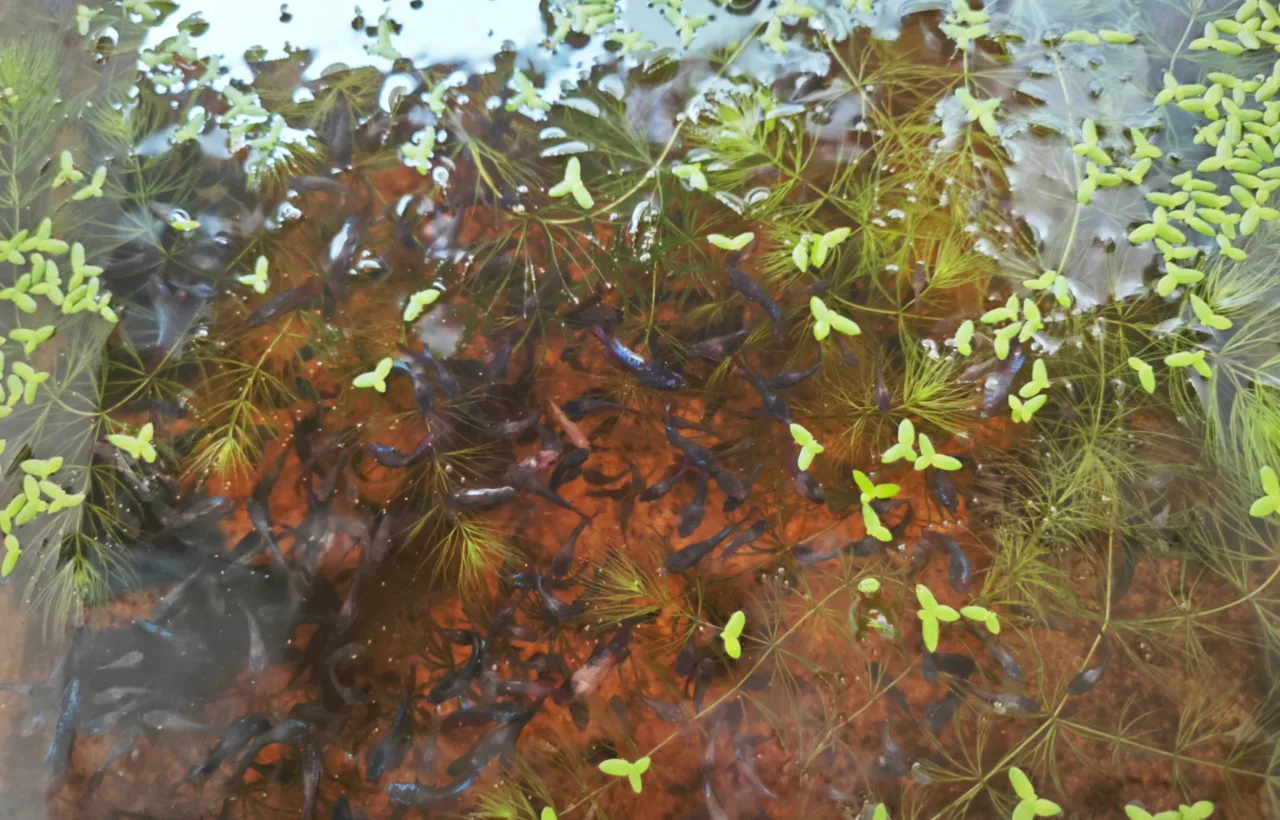
I stock only small species. Koi and large goldfish need far more space and filtration than a container can give. My current residents are Japanese rice fish, also called medaka, and a few mosquito fish. They stay under three inches and handle outdoor temperature shifts well in my climate.
Goldfish work if the container stays over 50 gallons and you choose fancy types rather than the long-bodied comet variety. Guppies and platys do fine in warmer regions. White cloud mountain minnows handle cooler nights. I keep the total number low. Two to six small fish in a 25- to 40-gallon container feels right to me.
Fish bring clear benefits. They eat larvae so mosquitoes stay away. They nibble algae. They add the visual interest I wanted. IMO they make the whole feature worth the effort.
Acclimate medaka, mosquito fish, or other newcomers gradually; matching container temperature first reduces shock, especially after transport from an indoor aquarium.
Introducing the Fish Safely
I never dump them straight in. I float the bag for 20 minutes so temperatures match. Then I release them during the cooler part of the day. The water needs time to cycle first. Beneficial bacteria have to build up or ammonia spikes and the fish suffer. I wait at least a week after filling and planting before any fish go in.
Plants That Keep Everything Balanced
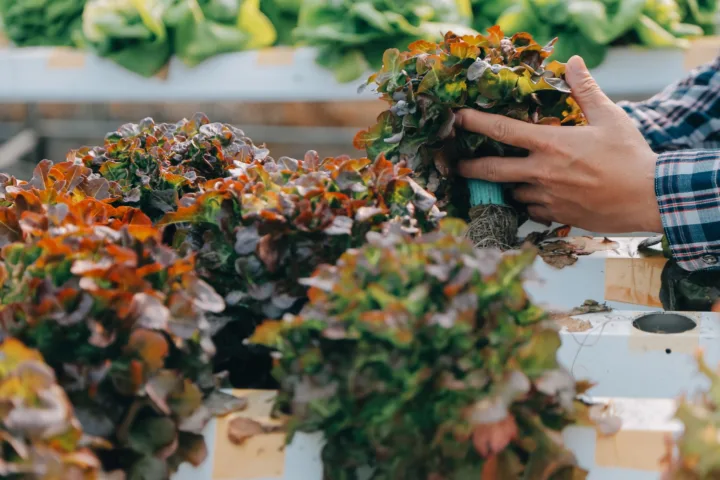
Plants do the heavy lifting. They pull nutrients, add oxygen during the day, and shade the surface. I aim for 50 to 70 percent surface cover. That keeps algae in check without blocking all light.
I use a mix:
- Floating plants like water lettuce or frogbit for shade and nutrient uptake
- Submerged oxygenators such as hornwort or anacharis that grow fast and clean the water
- Marginal plants like dwarf papyrus or parrot’s feather for height and edges
Dwarf water lilies look beautiful and their pads help cool the water. I plant them in pots so roots stay contained. Goldfish sometimes dig, so I cover the soil with a layer of gravel. The plants thrive and the fish still have places to hide.
Inspect nursery plants for snails and pesticide residue, then rinse and quarantine them before adding them to a fish pond.
My Step-by-Step Process for Building the Pond
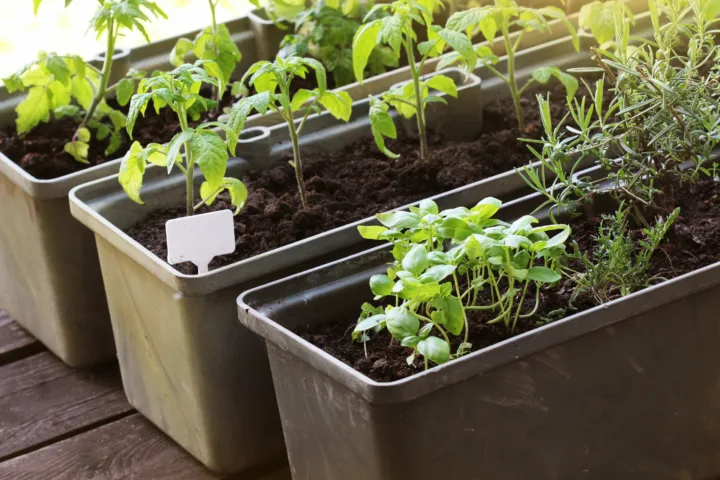
I keep the process straightforward. First I clean the container thoroughly. Any residue from previous use can harm fish. Then I place it in the chosen spot. Moving a full container is a nightmare, so I fill it only after it sits where it belongs.
I add a thin layer of aquarium gravel or aquatic planting media. Bricks or small pots create shelves for marginal plants at different heights. Next come the plants. I fill the container halfway, arrange everything, then top it off with dechlorinated water. Rainwater works great if I have it collected.
A small sponge filter or solar-powered aerator helps. I run one now even though the plants handle most of the work. The gentle movement keeps oxygen levels steady and deters mosquitoes further. FYI, I check the pump every few days to make sure nothing clogs it.
After everything settles for a week I test the water. Ammonia and nitrite need to stay near zero before fish arrive. Once they do, I feed sparingly. The fish find plenty of natural food once the system matures.
Day-to-Day Care That Keeps Fish Healthy
Maintenance stays light when the balance is right. I skim floating debris each morning with a small net. Once a week I top off evaporated water with treated tap water or rainwater. Every two weeks I change about 20 to 30 percent of the volume.
I test water occasionally. High nitrates mean more plants or a bigger water change. Algae blooms signal too much sun or too many nutrients. Adding more floating cover usually fixes it. I never overfeed. Uneaten food fouls the water fast in a small volume.
In winter I bring the tropical fish indoors to a small aquarium. Hardy species can stay if the container is deep enough and I use a de-icer to keep a hole open for gas exchange. I learned to plan for seasonal shifts early so nothing surprises me.
Top-offs replace lost water but not accumulated nitrate; keep the scheduled partial changes even when evaporation seems minimal.
Mistakes I Made and How I Fixed Them
I once added too many fish. The water turned cloudy within days and two fish died. Lesson learned: stock lightly. Another time I placed the container in full sun. Surface temperatures climbed past 90 degrees. The fish stayed at the bottom and looked stressed. Moving it a few feet into partial shade solved that overnight.
I also skipped the cycling period the first time. Ammonia spiked. Now I always wait and add a bacterial starter if I want to speed things up. These small adjustments turned a frustrating project into one I enjoy checking every day.
See, the real question is not whether a container can hold fish. The better question is whether you will keep the numbers low and the plants strong. That approach works.
Keep a simple log of fish count, water tests, and temperature; patterns can reveal overload or heat stress before cloudy water appears.
Frequently Asked Questions
Can I keep goldfish in a container pond with fish?
Yes if the container holds at least 50 gallons and you choose smaller fancy varieties. Provide good plant cover and perform regular water changes. Slim-bodied goldfish need more room than most containers offer.
How many fish can I put in a small container pond?
I stick to two to six small fish in a 25- to 40-gallon setup. Overstocking leads to waste buildup and poor water quality fast. Start low and observe.
Do I need a pump or filter for a container pond with fish?
Plants can handle filtration in lightly stocked ponds. A small aerator or sponge filter still helps keep oxygen levels steady, especially in warm weather. I use one and notice clearer water.
What happens to the fish in winter?
Tropical species come indoors with me. Hardy ones stay if the container is deep and I prevent total freezing with a small heater or de-icer. Local climate decides the exact plan.
Will a container pond with fish attract mosquitoes?
Not if the fish are present and active. Mosquito fish and medaka eat the larvae efficiently. Surface movement from a small pump adds extra protection.
Final Thoughts from My Patio
A container pond with fish gives me daily pleasure without the work of a large pond. I sit outside in the evening and watch the rice fish dart under the lily pads. The water stays clear most of the time. The patio feels calmer.
You do not need perfect conditions or expensive gear. Pick a decent-sized container, choose small hardy fish, load it with the right plants, and keep the numbers modest. The system finds its balance. I still make small adjustments each season, but the core setup has stayed solid for two years now.
Go pick a container this weekend. Fill it. Add life. Watch what happens. The flash of a fish under floating leaves is worth every bit of the effort.