
I spent two full summers watching my container cucumbers collapse into sad, bitter failures before I got it right. Those first attempts taught me more than any seed packet ever could. Now I pull crisp, sweet fruit from a pair of pots on a balcony that barely holds a folding chair. Container cucumbers can deliver serious harvests if you treat them like the heavy drinkers and feeders they are. I share exactly what shifted for me so you skip the heartbreak.
Honestly? The early losses stung. I blamed the heat. Then the pots. Then my timing. See, the real issue was simpler. I kept choosing the wrong variety and undersizing everything.
Choosing the Right Cucumber Varieties for Containers
I used to grab whatever packet looked pretty at the garden center. Big mistake. Most standard vining types sprawl six feet or more and demand space I simply do not have. Bush and compact types changed everything for me.
I stick to these proven performers now:
- Bush Champion: Compact plants stay under two feet tall yet still give full-size 8- to 12-inch slicing fruit. Disease resistance is solid.
- Spacemaster: Short vines (about 2 to 3 feet) that drape nicely over pot edges or climb a small trellis. The 7-inch fruit stays bitter-free.
- Salad Bush: Early producer of classic 8-inch cukes on a tidy 6- to 8-inch plant. Handles powdery mildew better than most.
- Diva: My current favorite. Parthenocarpic so it sets fruit without bees. Thin-skinned, sweet, and productive even on a sheltered patio.
- Picklebush or Parisian Gherkin: Perfect if you want smaller pickling sizes. Compact and reliable.
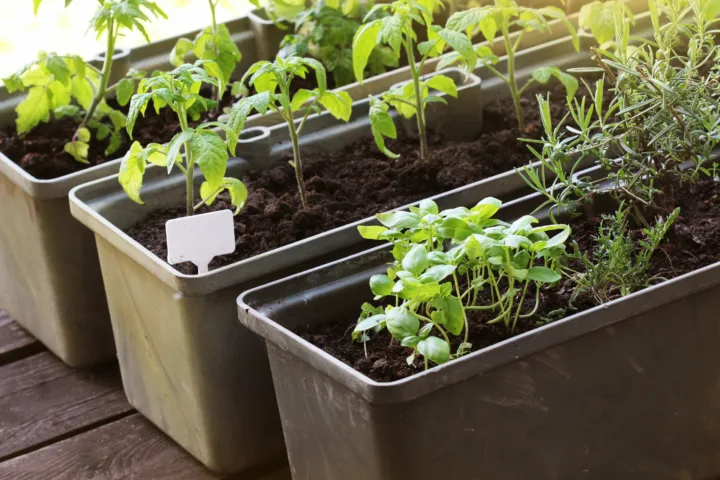
I plant one strong plant per medium pot. Trying to crowd two or three only leads to competition and smaller yields. IMO the bush types remove half the stress of container growing right at the start.
Vining types still work if you give them a sturdy trellis from day one. I tried that once with Straight Eight and got longer harvests, but the support took up more balcony real estate than I liked. Stick with bush if space is tight.
Compare mature width on seed packets, not just vine length: a short cucumber can still crowd a narrow pot if branching spreads sideways.
Getting the Container Size and Material Right
Size is non-negotiable. I learned this the hard way after a 3-gallon pot cooked a promising plant in July heat. Roots need room to spread and hold moisture.
My current rule:
- Bush varieties thrive in 5-gallon containers minimum.
- Compact vining types do better in 10 gallons or larger.
- Depth matters as much as width. Aim for at least 12 inches deep so roots can go down instead of circling.
I prefer fabric grow bags now. They drain freely, air-prune the roots, and stay lighter than ceramic when full. Plastic buckets work fine too if I drill plenty of drainage holes. I once used a fancy self-watering planter and loved the reduced watering schedule, but a basic 10-gallon fabric bag costs less and performs nearly as well for me.
Never use garden soil. It compacts, drains poorly, and brings in disease. I fill every pot with a mix that stays light yet holds water.
Place fabric bags on pot feet or a slatted surface, especially on balconies, so drainage holes stay unobstructed after watering.
Building the Perfect Soil Mix for Container Cucumbers
Cucumbers are heavy feeders. A lightweight potting mix alone runs out of nutrients fast. My go-to blend looks like this:
- Equal parts quality potting mix and finished compost
- A generous scoop of perlite for drainage
- A slow-release organic fertilizer mixed in at planting
The compost adds real body so the mix does not dry out in three hours of afternoon sun. I top-dress with a bit more compost halfway through the season when the plants start flowering hard. This simple combination keeps the soil moist longer and feeds the roots steadily.
I water the mix thoroughly the night before planting so it settles. Dry pockets around new roots cause stress I no longer tolerate.
Planting and Timing for Strong Starts
I wait. Cold soil kills momentum. Night temperatures need to stay above 50°F and soil should feel warm, ideally 60°F or higher. In my zone that means two to three weeks after the last frost date.
I direct-sow most years. Seeds go in about half an inch deep. I plant three seeds per pot and thin to the strongest seedling once true leaves appear. Transplanting works if I start seeds indoors in peat pots two weeks earlier, but cucumbers hate root disturbance. Direct sowing skips that risk.
I install the trellis or tomato cage the same day I plant. Waiting until vines appear means disturbing roots later. Soft ties or loose garden twine keep the stems happy as they climb.
Sunlight is non-negotiable. My pots sit where they pull six to eight hours of direct light. Anything less and production drops fast.
Harden indoor-started cucumbers for several days before transplanting, because a sudden move from sheltered light to six hours of sun can scorch leaves.
Watering and Feeding Without the Drama
This is where most container cucumbers fail. Uneven moisture creates bitter fruit and blossom drop. I check the top inch of soil every morning. If it feels dry, I water deeply until excess runs out the bottom.
In peak summer heat I sometimes water twice a day. Morning is best. I aim the water at the soil, never the leaves. Wet foliage invites powdery mildew.
Feeding follows a simple pattern. After the first true leaves, I give a balanced liquid fertilizer every two weeks. Once flowers appear I switch to a high-potassium formula (something like tomato feed) weekly. Too much nitrogen just grows leaves at the expense of fruit. I learned that after one leafy monster that produced almost nothing.
Mulch helps. A thin layer of straw or shredded leaves on the soil surface slows evaporation and keeps roots cooler.
Apply liquid fertilizer to already-moist potting mix, not bone-dry soil, to reduce the chance of concentrated salts stressing cucumber roots.
Supporting the Vines and Managing Pests
Even bush types benefit from a little structure. A short tomato cage keeps fruit clean and makes harvesting easier. For any vine longer than two feet I use a simple trellis. Straight hanging fruit tastes better and looks better.
Pests stay manageable in containers. I watch for cucumber beetles and aphids. A strong blast of water knocks aphids off. For beetles I hand-pick early in the morning. Good airflow from vertical growth reduces fungal issues more than any spray I have tried.
Powdery mildew still shows up some years. I prune lower leaves that touch the soil and keep the area open. Resistant varieties like Diva and Salad Bush give me a real edge here.
Harvesting and Extending the Season
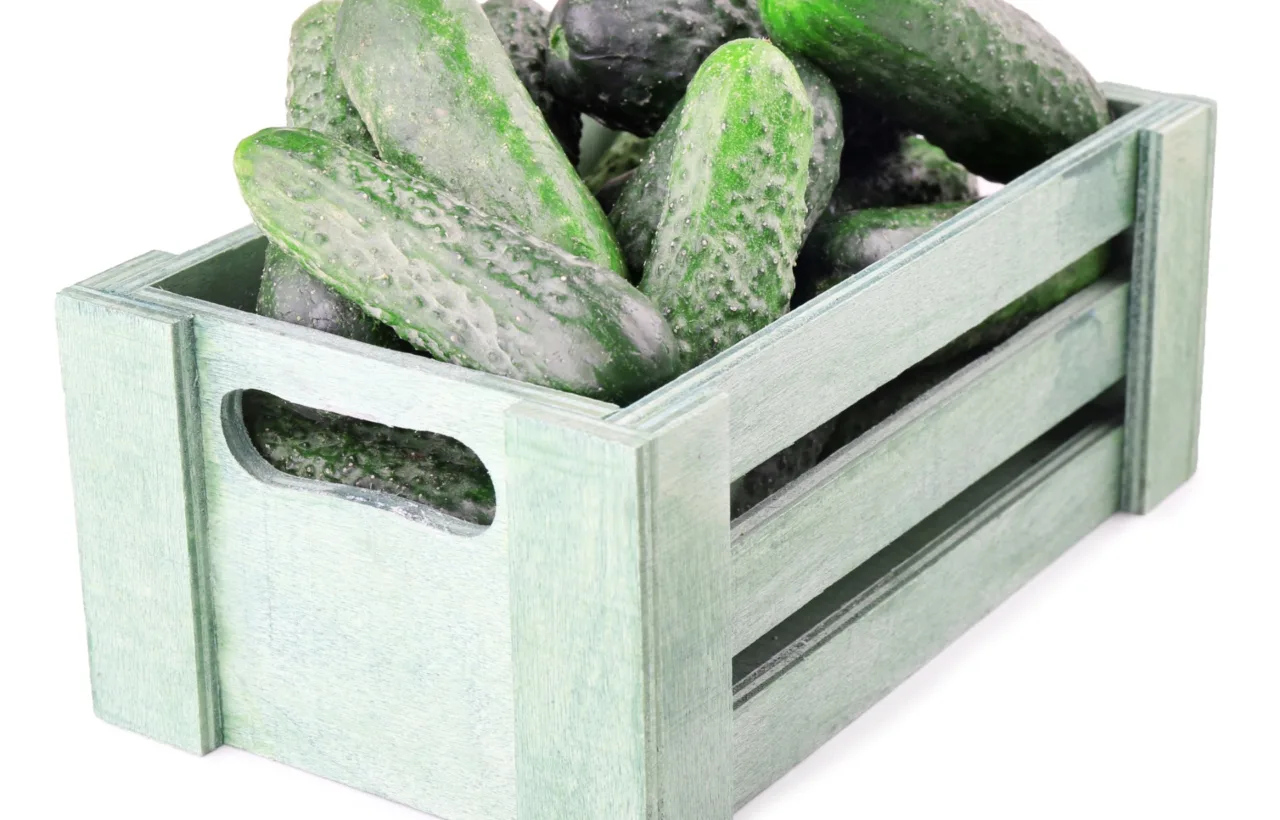
I pick often. Leaving oversized fruit on the plant signals the vine to stop producing. Most of my varieties are ready 50 to 60 days after planting. I harvest when the cukes reach the size listed on the packet (usually 6 to 8 inches for slicers, smaller for picklers).
A sharp pair of scissors or pruners prevents stem damage. I check every other day once production starts. Fresh-picked cucumbers from a pot taste brighter than anything from the store. I still get a little thrill every time I carry a handful inside.
Cool nights in late summer slow things down. I move the pots against a warm wall or cover them on cold evenings to squeeze out a few extra weeks. One season I kept a Diva plant going into early fall simply by protecting it from the first light frosts.
Inspect behind leaves and beneath pot-edge foliage, where pale or oversized cucumbers hide and are easy to miss.
Common Mistakes I Made So You Do Not Have To
I nearly quit after the second bad year. Honestly? The third season almost stuck too. Here is what finally clicked:
- Undersized pots dry out too fast and stunt roots.
- Inconsistent water creates bitterness every single time.
- Garden soil in containers is a slow death for roots.
- Skipping support lets fruit rest on soil and rot.
- Planting too early invites cold damage that plants never fully recover from.
Bigger pots, steady moisture, and the right variety flipped the results. Now I get weeks of reliable harvests from space that used to feel useless.
Frequently Asked Questions
Can I really grow container cucumbers on a shady balcony? No. They need at least six hours of direct sun. I tried a north-facing spot once and got almost zero fruit. Move the pots or choose a different crop.
How often should I fertilize container cucumbers? I feed every two weeks with balanced fertilizer early on, then weekly with high-potassium once flowers appear. Containers lose nutrients faster than garden beds.
What size pot works best for one plant? Five gallons minimum for bush types. Ten gallons gives better yields and more forgiveness on watering. I never go smaller now.
Do container cucumbers need pollination help? Most bush types still need bees or hand pollination. Parthenocarpic varieties like Diva set fruit without it. I grow those on the more sheltered side of my balcony.
Why do my container cucumbers taste bitter? Usually uneven watering or stress from heat and small pots. Keep soil evenly moist and choose modern bitter-free varieties. That fixed it for me.
I still check my pots every morning like they might disappear overnight. The first crunchy slice of the season always feels like a small victory. Start with one good bush variety in a solid 5- or 10-gallon pot this year. Give it consistent water, real sun, and a bit of food. You will taste the difference. And once you pull that first perfect cucumber from a space you thought was too small, you will understand why I keep coming back to container cucumbers every single spring.