
I spent years staring at empty pots once the first hard frost hit. Summer displays died off, and I just accepted the gray. Then I started testing winter container plants that could handle real cold without constant babysitting. Now my patio stays interesting from November straight into March. The right mix of tough foliage, a few flowers that refuse to quit, and smart pot choices changed everything for me.
I live in a zone where nights regularly dip below freezing, so I need plants that shrug off ice and wind. Honestly? Most of the glossy magazine combos failed me the first couple seasons. Roots froze solid. Pots cracked. Color faded fast. What worked was sticking to proven hardies and treating the containers like mini gardens that need protection.
Why Winter Container Plants Matter More Than You Think
Empty pots look sad. They sit there like forgotten furniture. Filling them with plants that hold structure and color makes the whole outdoor space feel intentional. I walk out for coffee and still get a little lift from the view.
Containers also let me experiment without committing garden beds. I move pots around for better light or shelter. When something underperforms, I swap it out. That flexibility keeps me interested through the long stretch of short days.
See, winter is not the time for tender annuals. Those die. I focus on plants rated for at least two zones colder than mine when grown in pots. Roots get colder in containers than they do in the ground. That simple rule saved more of my plants than any fancy fertilizer ever did.
My Go-To Winter Container Plants for Reliable Color
I keep a short list of plants that deliver without drama. These form the backbone of nearly every pot I plant now.
Evergreen Anchors That Hold the Structure
Dwarf evergreens give height and stay green no matter the weather. I use small Alberta spruce or compact junipers in the center of larger pots. They look solid under snow and never complain about the cold.
Boxwood works too. I clip mine lightly in fall so it keeps a neat shape. The deep green holds up against ice storms. Pair it with something brighter and the whole pot feels finished.
Foliage That Pulls Its Weight
Heuchera (coral bells) ranks high on my list. The leaves come in burgundy, lime, and silver tones. They stay colorful even when temperatures drop. I plant them toward the front so the ruffled edges show.
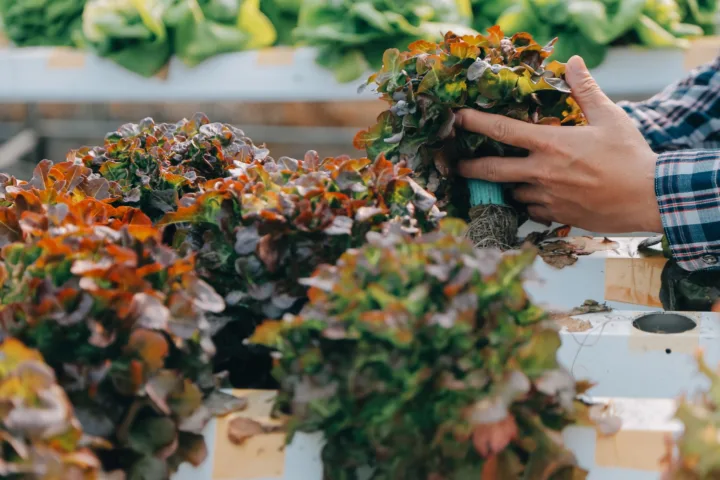
Ornamental kale and cabbage add bold texture. The ruffled purple and white leaves look almost tropical until you remember they laugh at frost. I use them as fillers around taller plants.
Soft shield ferns and other hardy evergreen ferns fill shady spots. Their fronds stay fresh when everything else turns brown. I tuck them into pots near the house where light stays low.
Flowers That Bloom When Almost Nothing Else Does
Winter-flowering pansies and violas still surprise me. They open on mild days and keep going through light freezes. I deadhead them when I remember, and they reward me with weeks of color.
Hellebores are my late-winter favorites. The flowers nod downward at first, then open wider as days lengthen. I plant them so the blooms face the path I walk every morning. They look expensive but cost less than a couple bags of mulch.
Winter heathers give soft mounds of pink or white. They bloom for months and need almost no care once established. I use them as fillers that unify a mixed pot.
Berries and Stems for Extra Interest
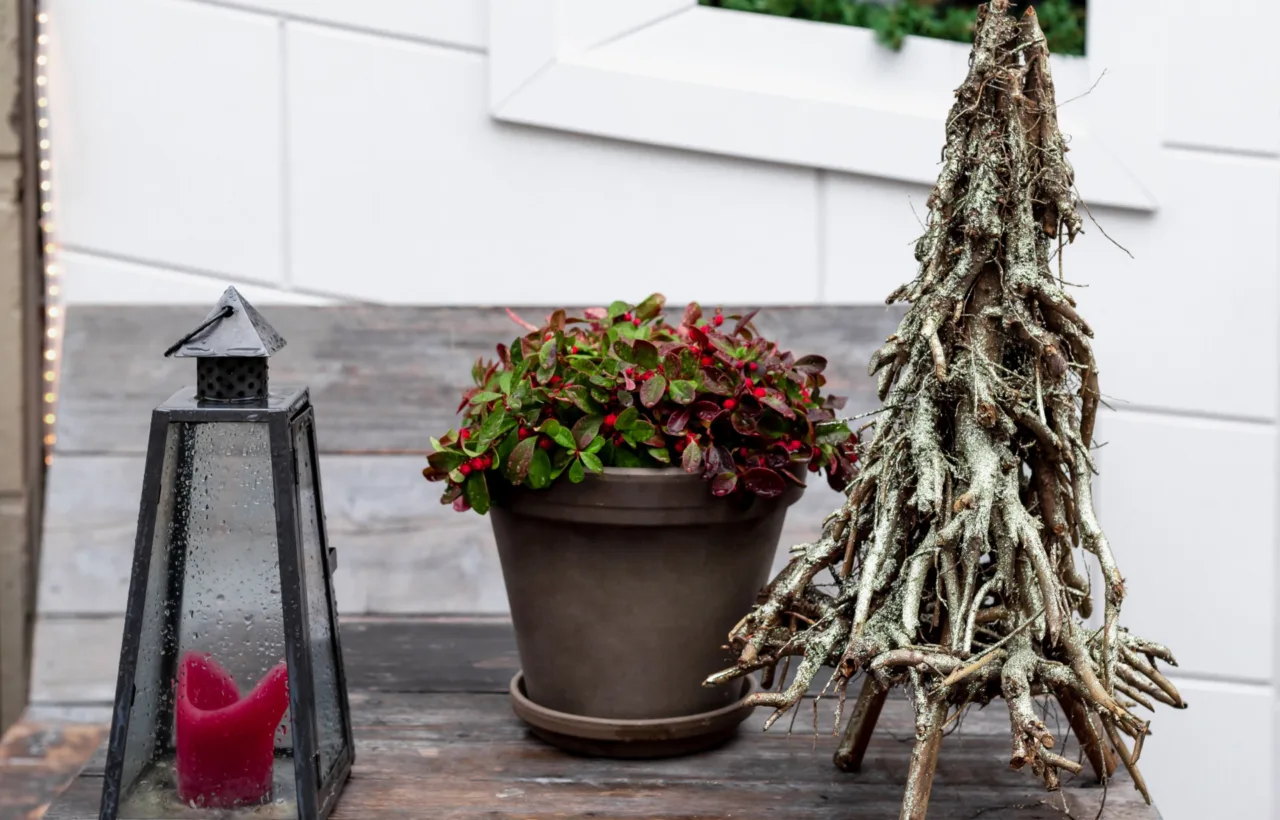
Gaultheria (wintergreen or checkerberry) produces bright red berries that last. The leaves turn reddish in cold weather. I stick a couple in pots near the front door for a festive look that does not rely on plastic decorations.
Red-twig dogwood stems light up against snow. I grow a small plant in a large pot and cut it back hard in spring. The new growth stays colorful the following winter.
How I Actually Plant Winter Containers
I follow a simple method every time. Start with the right pot. Frost-proof plastic, fiberglass, or thick wood works best. Terracotta cracks too easily when water freezes inside the clay. I learned that the hard way after losing three nice pots in one season.
Elevate every container on pot feet or bricks. Water needs somewhere to go. Standing water freezes and kills roots. Drainage is non-negotiable.
I add a layer of gravel or broken pottery at the bottom, then fill with a good potting mix that drains well. Leave an inch or two at the top for watering. Plants grow almost nothing in winter, so I start with full-sized specimens that look good right away.
The classic thriller-filler-spiller approach still works. Thriller goes in the center or back for height. Fillers surround it for bulk. Spillers trail over the edges. For winter I lean heavier on foliage than flowers because foliage lasts longer.
A Simple Recipe I Use Often
- One dwarf evergreen or small hellebore as the thriller
- Two or three heuchera or ornamental kale as fillers
- A couple of trailing ivy or carex for the spill
- A few pansies or violas tucked in for color
That combination has never let me down. Adjust for sun or shade. Full sun pots get the evergreens and heathers. Shadier spots get ferns and heuchera.
Care Tips That Keep Everything Alive
Watering changes in winter. I check the soil every week or so during mild spells. If the top inch feels dry, I water thoroughly. Frozen soil stays wet longer, so I never water when the pot is solid ice.
I do not fertilize. Plants rest in cold weather. Feeding them just causes soft growth that freezes later.
Protection matters on the worst nights. I group pots together against a sheltered wall. The mass of pots holds a bit more warmth. For extreme cold I wrap the outsides with bubble wrap or burlap. Roots stay safer that way.
Wind is the silent killer. It dries foliage faster than cold alone. I move sensitive pots out of the direct blast when possible. FYI, a simple burlap screen on the windy side helps more than most people realize.
Bulbs get planted in fall for spring payoff. I tuck dwarf narcissus or early tulips under the other plants. They push through in late winter and extend the show without extra work.
Common Mistakes I Made and How I Fixed Them
I used to plant too early and expect summer performance. Winter plants need time to settle before hard freezes, but they also need to be hardy enough. Starting with zone-appropriate choices fixed most failures.
Overcrowding looked full at first but led to rotting centers. Now I leave a little space and let the plants fill in slowly.
Ignoring the pot material cost me money. Switching to frost-proof options stopped the cracking. Raising pots off the ground stopped the waterlogged roots.
I also used to forget about light. Winter sun sits lower. I moved several pots to brighter spots and the foliage stayed greener.
Combinations That Work in Real Conditions
Sunny porch pots get a tall juniper, burgundy heuchera, winter heather, and trailing ivy. The contrast of green, red, and soft pink holds up under snow.
Shady entry pots lean on ferns, lime heuchera, and a few white pansies. Soft and calm.
For a festive look near the door I mix skimmia for berries, red-twig stems, and a few cyclamen if the microclimate stays mild. It feels seasonal without trying too hard.
I rotate a couple of pots every few weeks so nothing sits in the same spot forever. Fresh views keep me paying attention.
Frequently Asked Questions
What are the hardiest winter container plants for cold zones? I stick with dwarf evergreens, hellebores, heuchera, and winter heathers. They handle repeated freezes better than most flowering annuals when grown in pots.
Can I leave winter container plants outside all season? Yes, if you choose plants hardy enough for container conditions and protect the pots from extreme freezes. Raise them, group them, and wrap when needed.
How often should I water winter container plants? Check weekly during thaws. Water only when the top inch of soil feels dry. Frozen pots need no water until they thaw.
Do winter container plants need fertilizer? No. I skip feeding entirely until growth resumes in spring. Extra nutrients create soft tissue that freezes easily.
What pots work best for winter container plants? Frost-proof plastic, fiberglass, wood, or treated materials hold up. Avoid thin terracotta that cracks when water freezes inside the clay.
I still lose the occasional plant. Weather surprises everyone. But the success rate climbed once I stopped fighting the season and worked with plants built for it. My patio no longer goes dormant. It just shifts into a quieter, tougher kind of beauty.
Grab a few of these and try one pot this year. Start small. Watch what holds color. Adjust next season. The cold months feel shorter when something green and interesting waits outside the door.