
I spent two summers staring at a bare concrete balcony and feeling defeated. No yard. No soil. Just a few square feet and a stubborn urge to grow something real. That frustration pushed me straight into small container garden ideas, and I never looked back. These setups gave me herbs within arm’s reach, cherry tomatoes that actually produced, and a space that finally felt alive. I share what worked for me so you can skip the failures I collected along the way.
Honestly? I started with zero experience and a lot of wilted plants. See, the beauty of containers sits in how movable and forgiving they stay. You control the soil, the drainage, and the placement. I learned that the hard way after drowning a few basil plants in potting mix that stayed soggy for days.
Why Containers Became My Only Option
My balcony measures roughly eight by four feet. That is not much real estate. In-ground gardening was never on the table. I needed plants that fit into pots, buckets, and whatever else I could drag upstairs. Containers solved the space problem and the soil quality problem at the same time. City soil often comes contaminated or compacted. My pots started clean every season.
I also loved the flexibility. When a heat wave hit last July, I simply moved the most fragile pots into partial shade. No digging required. That single advantage sold me for good. You gain the same freedom the moment you stop thinking of gardening as something that only happens in open dirt.
Practical Small Container Garden Ideas for Everyday Harvests
I group my favorite small container garden ideas by what they deliver. Some feed me. Some just make the space look better. Both matter.
Reserve the easiest-to-reach containers for daily harvests, and place decorative pots in corners or less accessible spaces.
Kitchen-Door Herb Trio
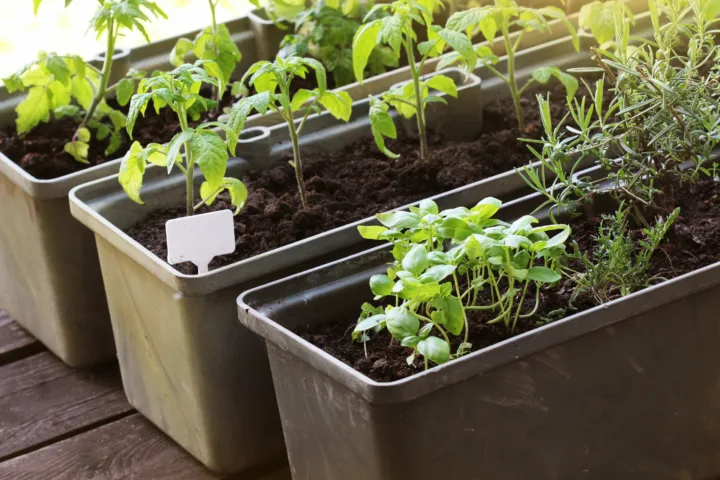
Three matching two-gallon pots sit right by my sliding door. Basil goes in one. Rosemary claims the second. Chives fill the third. I reach for them while cooking without even stepping outside fully. These herbs need only six hours of sun and minimal fuss. FYI, I water them every other day in summer and once a week when temperatures drop.
The payoff hits fast. Store-bought basil costs more than the entire setup after two weeks of use. I snip what I need and the plants keep producing. This remains my lowest-effort win every year.
One-Pot Salad Bowl
A single wide, shallow container about sixteen inches across holds loose-leaf lettuce, arugula, and a few radish seeds around the edges. I harvest the outer leaves and the greens keep coming. Cut-and-come-again varieties give me weeks of salad from one pot. These crops tolerate four to six hours of sun, so even a partially shaded balcony works.
I reseed every three weeks. The constant supply beats grocery store greens that wilt in two days. This setup taught me that volume does not always require size.
Cherry Tomato Tower
One five-gallon pot. One determinate cherry tomato plant. One sturdy cage. That combination produces more fruit than I expected. Sungold remains my favorite for sweetness. These plants demand eight or more hours of direct sun and consistent water. I check the soil daily once the fruit sets.
Last summer I harvested handfuls almost every evening. The plant stayed compact enough that it never overwhelmed the balcony. Larger indeterminate tomatoes sprawled too much for my space. The bush types stay polite.
Vertical Moves That Multiplied My Growing Area
Floor space stays limited. Height does not. I leaned hard into vertical solutions after realizing how much empty air hung above my pots.
Tiered Herb Stand
A simple three-tier metal stand holds six smaller pots. Oregano, thyme, parsley, mint, and two types of basil fill the levels. Water drains from the top pot downward, so I only water the highest one thoroughly. Gravity handles the rest. This arrangement occupies the footprint of a single large pot yet grows six times the plants.
I keep mint on the bottom level because it spreads aggressively. The stand keeps everything contained and looking intentional rather than chaotic.
Railing Planters
Long rectangular boxes clamp onto the balcony railing. I plant strawberries in one and trailing nasturtiums mixed with lettuce in another. The boxes use space that would otherwise sit empty. Strawberries cascade over the edge and make harvesting simple. Birds stay less interested when the fruit hangs high.
These planters need good drainage holes. I drilled extras in the first set after the first heavy rain left roots sitting in water. Lesson learned.
Stacked Strawberry Jar
A traditional strawberry jar with side pockets holds fifteen to twenty plants in less than two square feet of floor space. I fill the center with soil and plant through every opening. The result looks ornamental and produces a surprising amount of fruit. I water carefully from the top so moisture reaches the lower pockets.
This remains one of my more decorative small container garden ideas. Guests always ask about it. The jar doubles as both food source and conversation piece.
Upcycled Containers That Cost Almost Nothing
I refuse to spend a fortune on pretty pots. Several of my best containers started life as something else.
Old wooden crates lined with landscape fabric hold salad greens perfectly. Galvanized buckets from the hardware store become rustic herb planters after I drill drainage holes. Five-gallon paint buckets get a quick coat of exterior paint and disappear into the background while growing bush beans or peppers.
One season I painted an old tire bright yellow and filled it with marigolds. The look felt playful without taking itself too seriously. These repurposed vessels prove you do not need boutique planters to create something worth growing. Just make sure every container drains freely. Roots drown faster than almost any other problem I have faced.
Never grow food in buckets that previously held paint, solvents, or unknown chemicals; choose new food-safe buckets instead, even after cleaning.
Plants That Actually Thrive in My Setup
Not every plant tolerates container life. I stuck with varieties bred for pots after a few sprawling disasters.
Bush beans fill a three- to five-gallon pot and produce without needing tall supports. I succession sow every two weeks for continuous harvests.
Peppers love the warmth containers trap. A ten- to twelve-inch pot suits most compact varieties. Snack-sized peppers disappear into meals faster than I can pick them.
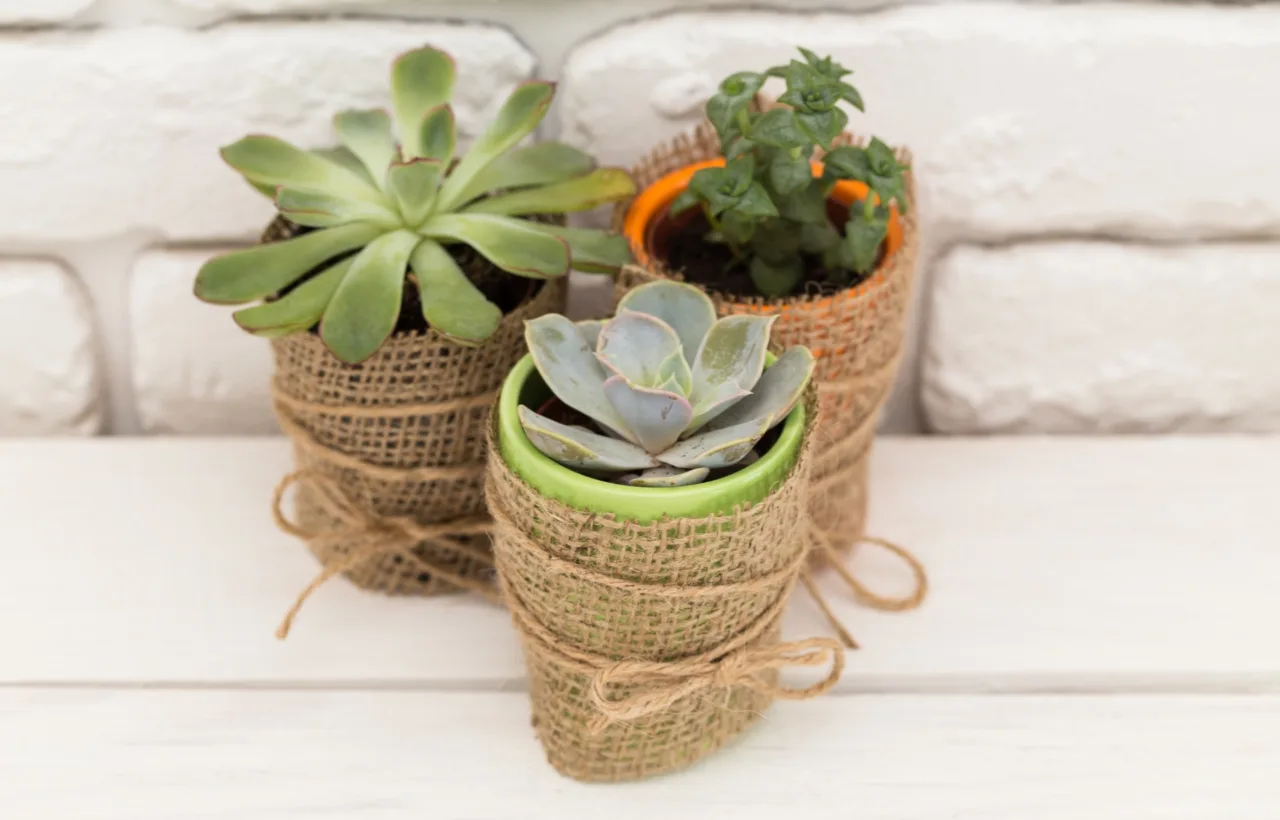
Succulents handle neglect better than anything else I grow. A shallow dish of mixed varieties sits on a table and needs water only every ten days. They add texture when the rest of the garden looks sparse.
Petunias and calibrachoa spill over edges and deliver color for months. I deadhead spent blooms to keep the show going. These flowers forgive uneven watering better than most.
I avoid deep-rooted carrots and sprawling squash. They demand more soil volume than my space allows. Matching the plant to the pot size prevents disappointment.
Put heavy pepper and bean pots on the balcony floor, not a narrow table; mature plants and wet soil can make furniture unstable.
Mistakes I Made and How You Can Skip Them
I killed more plants than I care to admit in the first year. Overwatering topped the list. Containers dry out faster than ground soil, yet beginners still drown them. I now stick my finger two inches into the mix. If it feels dry, I water. If it feels damp, I wait.
Cheap potting soil that packs down hard came next. I switched to a lightweight mix with perlite and compost. Roots need air as much as they need water. Dense soil suffocates them.
Sun exposure fooled me too. My balcony faces west. Afternoon heat scorched a few shade-loving plants. I now group sun-lovers together and move the rest when the light shifts. Observation beats guessing every time.
Fertilizer schedules also needed adjustment. Container plants deplete nutrients faster. I feed with a diluted liquid fertilizer every two weeks during peak growth. Skipping this step left plants yellow and unproductive.
West-facing balconies amplify heat against walls and railings; keep dark-painted buckets a few inches away to reduce root-zone overheating.
Seasonal Swaps Keep Things Interesting
I rotate containers with the calendar. Spring starts with cool-season greens and pansies. Summer brings the heat-lovers: tomatoes, peppers, basil. Fall returns to kale, spinach, and ornamental cabbages. A few pots of evergreens or ornamental grasses stay year-round for structure.
This rotation keeps the balcony from looking tired. It also matches what the weather actually supports. Fighting the season rarely works. Working with it always does.
Frequently Asked Questions
How much space do I really need for small container garden ideas?
You need far less than most people assume. A single railing planter or three pots by the door already counts as a working garden. My entire productive setup occupies less than twenty square feet.
What size containers work best for beginners?
Start with five-gallon pots for tomatoes and peppers. Two- to three-gallon pots handle most herbs and greens. Larger volumes hold moisture better and give roots room to grow.
Do small container garden ideas require special soil?
Regular garden soil stays too heavy. Use a quality potting mix designed for containers. It drains properly and stays light enough for roots to breathe.
How often should I water containers on a balcony?
Check daily in hot weather. Most of my pots need water every one to two days once temperatures climb. Morning watering reduces evaporation and fungal issues.
Can I grow enough food to matter in such a small space?
Yes. My herb pots alone replace weekly grocery purchases. The tomato and salad containers supply snacks and side dishes for months. Volume stays modest, yet the freshness and savings add up.
I still walk onto that same tiny balcony every morning and feel a quiet satisfaction. The plants greet me. The air smells like basil and damp soil. A few square feet of concrete turned into something that feeds me and calms me at the same time. Start with one pot if that feels manageable. Add another when the first one thrives. The rest follows naturally. Your small space already holds more potential than you think.