
I spent years staring at my shady patio and feeling stuck. Hostas seemed like the obvious fix, but I kept planting them in the ground under trees where roots fought for every drop of water. Then I switched to pots. Those hosta container ideas changed everything for me. Suddenly I could move plants around, dodge the worst of the summer heat, and create little vignettes that actually looked intentional.
I still remember the first time I set three pots of Blue Mouse Ears next to a big ceramic urn of Sum and Substance. The contrast hit me right away. Friends started asking how I got the space to look so full without any real garden beds. That’s when I realized container hostas weren’t a compromise. They were the better option for anyone dealing with shade, limited space, or just a desire to keep things flexible.
Why I Switched to Growing Hostas in Containers
Ground planting never worked well for me under the big maple. The soil stayed dry, the roots competed hard, and slugs treated the area like a buffet. Containers solved most of that.
I can control the soil mix completely. I can lift the pots onto stands so slugs have a harder time climbing. And if the light shifts during the season, I just slide the whole thing a few feet. Honestly? That mobility alone sold me.
Hostas in pots also give me height variation without digging. A tall variety becomes a thriller. A mini fills the front. Suddenly the patio feels layered instead of flat.
Choosing the Right Hostas for Containers
Not every hosta thrives the same way in a pot. I learned that the hard way after stuffing a giant Empress Wu into a container that looked big enough at the nursery. Within one season the roots circled the pot and the plant sulked.
For a polished shady patio display, choose miniature cultivars such as ‘Blue Mouse Ears’; they stay container-sized instead of quickly overwhelming the pot.
Mini and Small Varieties I Rely On
These stay manageable and look polished even in smaller pots.
- Blue Mouse Ears: Thick, round, blue-green leaves. It stays under 8 inches and never outgrows a 10-inch pot. I use it as a filler almost every year.
- Curly Fries: Long, wavy, chartreuse leaves that look nothing like a typical hosta. Perfect for adding texture without bulk.
- Pandora’s Box: Tiny white centers with green edges. It shines in a group of three matching pots.
Medium Hostas That Still Fit Nicely
These give more presence without needing half-barrels.
- Autumn Frost: Blue-green centers with wide yellow margins that fade to cream. It holds color well in morning sun.
- Guacamole: Chartreuse leaves with darker green edges and a light fragrance when it flowers. Reliable and bold.
- Halcyon: Pointed blue leaves that stay cool-looking even in deeper shade.
Larger Options When I Want Drama
I only use these in pots 16 inches or wider.
- Sum and Substance: Huge chartreuse leaves. I treat it as the clear thriller and underplant lightly.
- Big Daddy: Thick, corrugated blue leaves. It looks solid and almost architectural in a simple pot.
I always match the pot size to the mature width listed on the tag. Leave about three inches of room around the root ball. Anything tighter dries out too fast. Anything looser wastes potting mix and looks sparse at first.
Pot Selection and Soil That Actually Work
I used to grab whatever cheap plastic pot sat near the register. That stopped after the first freeze cracked two of them and left me with dead plants in spring.
Now I stick to resin, fiberglass, or thick glazed ceramic. They handle temperature swings better. Drainage holes are non-negotiable. I sometimes add a thin layer of broken pottery at the bottom just for extra insurance, but the holes do most of the work.
For soil I use a high-quality potting mix amended with a handful of compost and a bit of perlite. Garden soil compacts and kills drainage. I learned that after one soggy disaster. The mix needs to hold moisture without turning to mud. Hostas hate wet feet even more than they hate drought.
I plant so the crown sits level with the soil surface. Burying it deeper invites rot. Then I water thoroughly until it runs out the bottom.
Empty saucers after watering, especially before a freeze, because trapped water can keep the drainage zone saturated even when the pot itself is frost-resistant.
My Favorite Hosta Container Ideas and Combinations
This is the fun part. I treat every pot like a small stage.
Simple Specimen Displays
Sometimes one plant is enough. A single Blue Mouse Ears in a dark blue ceramic pot looks intentional and calm. I place those near seating so people notice the leaf texture up close. Same goes for a solitary Curly Fries. The wavy leaves do all the talking.
Thriller-Filler-Spiller Combos
I use this structure constantly.
One year I put Sum and Substance in the center of a wide pot. Around it I tucked deep purple heuchera and finished the edges with golden lysimachia. The chartreuse and purple played off each other all season. The lysimachia spilled over the rim and softened the whole look.
Another reliable mix: Halcyon as the main plant, escargot rex begonias tucked underneath for patterned foliage, and a few lobelia spilling out the front. Cool blues and greens with just enough flower pop.
All-Foliage Texture Plays
I skip flowers entirely some seasons. A pot with Halcyon, a Japanese painted fern, and a small white-edged Patriot hosta creates layers of color without any bloom. The silver fronds of the fern catch light differently from the hosta leaves. It feels quiet and sophisticated.
Grouped Mini Collections
I line up three or four identical pots of different mini hostas along the patio edge. Blue Mouse Ears next to a yellow-leaved mini next to a white-centered one. The repetition feels intentional and the scale stays friendly for a small space.
Unexpected Containers
I once planted a cluster of mini hostas in an old wooden toolbox lined with landscape fabric. Drainage holes drilled in the bottom kept it from becoming a swamp. Another time I used a large colander I found at a thrift store. Both looked better than store-bought pots and cost almost nothing.
Care Routines That Keep Container Hostas Happy
Container plants dry out faster than ground ones. I check the top two inches of soil with my finger every couple of days in summer. If it feels dry, I water deeply until it drains. Shallow sips encourage weak roots.
Morning sun and afternoon shade works best for most of my varieties. Full shade is fine but the colors stay muted. Too much afternoon sun scorches the leaves and turns the edges brown.
I fertilize lightly in early spring with a slow-release granular product mixed into the top layer of soil. Hostas aren’t heavy feeders. Overdoing it just pushes soft growth that attracts more pests.
Slugs still find pots sometimes. I keep the pots elevated on feet or stands and scatter a bit of iron phosphate bait around the base when I see damage. Tall pots help too. Slugs struggle more with the climb.
Before winter, group container hostas beside a sheltered wall and insulate pots, since above-ground roots experience colder swings than roots planted in the patio bed.
Overwintering Without Losing Plants
This used to stress me out. Now I treat it as routine.
In milder zones I leave the pots outside against the house foundation and mulch the tops heavily after the first hard freeze. In colder spots I move the containers into an unheated garage once the foliage dies back. I water them once a month if the soil feels bone dry. In spring I bring them back out and start watering regularly again.
Some years I sink the entire pot into a garden bed for the winter. The surrounding soil insulates the roots. Come spring I dig the pot back up and set it on the patio. The plant barely notices the move.
Common Mistakes I Made and How I Fixed Them
I planted too many large hostas in pots that looked big enough at the store. They outgrew the containers in one season and needed dividing. Now I stick to the mature size on the label and leave room to grow.
I also watered on a fixed schedule instead of checking the soil. Some pots stayed soggy while others dried out. Finger test fixed that immediately.
Black plastic pots in full sun cooked the roots. I switched to lighter colors or moved those pots into deeper shade.
Frequently Asked Questions
Can I grow any hosta in a container? Most will survive, but mini and small varieties stay happier longer without constant repotting. Large ones need bigger pots and more water.
How often should I repot container hostas? Every two to three years works for me. If roots start circling the bottom or water runs straight through without soaking in, it’s time.
Do hostas in pots need different light than ground plants? Not really. They still prefer morning sun or dappled shade. The pot just makes it easier to move them if conditions change.
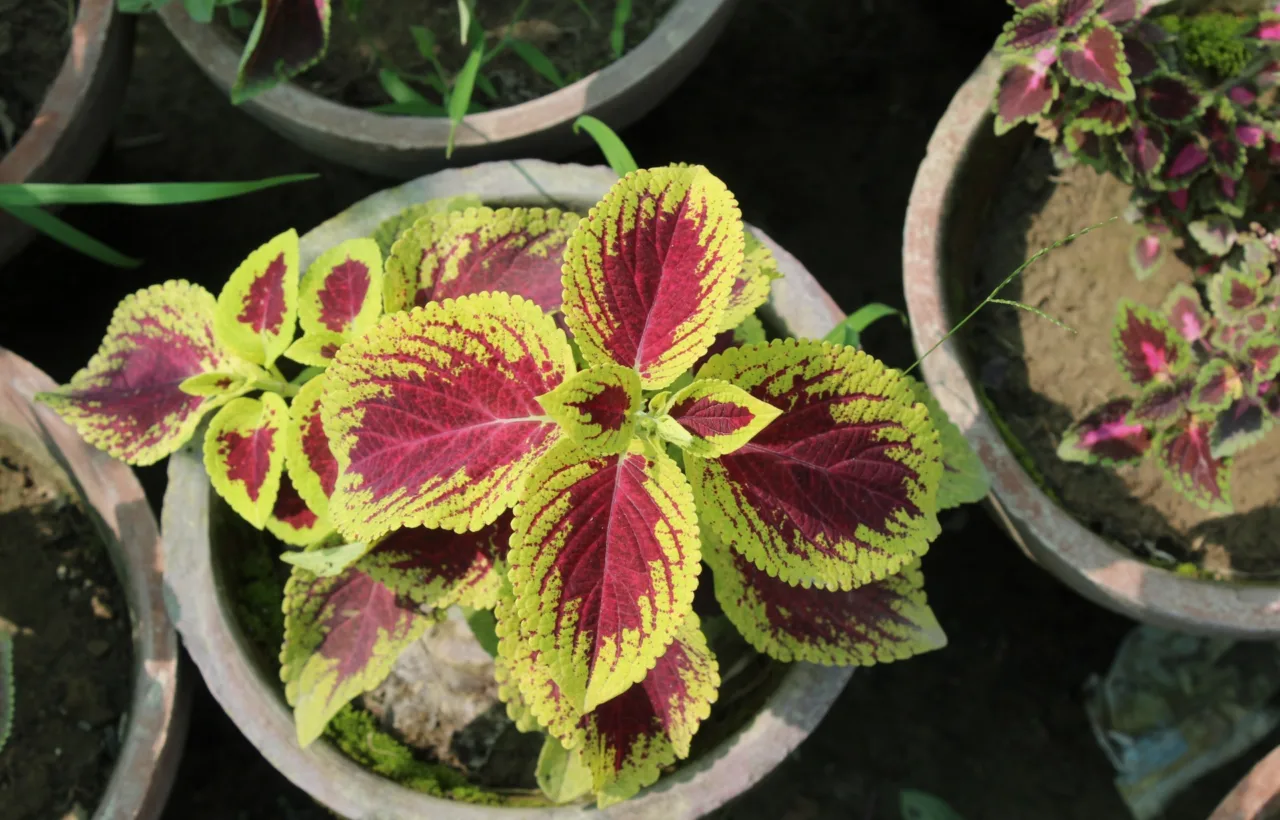
What companions work best with hosta container ideas? I reach for golden lysimachia, heuchera, ferns, coleus, and tuberous begonias most often. They share the same moisture and light needs and create strong contrast.
Can I leave hosta pots outside all winter? In zones 5 and warmer, yes, with some mulch protection. Colder zones do better if you move them to a sheltered spot or sink the pots temporarily.
I still walk out to the patio most mornings and just stand there looking at the pots. The blue leaves catch the early light. The chartreuse ones almost glow. It never gets old.
Start with one or two pots this season. Pick a variety that makes you stop and stare at the nursery. Give it the right size container and consistent water. Then watch how quickly the space starts to feel different. That’s the real payoff of these hosta container ideas. They turn leftover shade into something you actually want to sit in.