
I spent years staring at empty pots and half-dead blooms on my tiny patio. The space felt sad. Then I started testing flower container ideas in real life, not just from pretty photos. Now those same containers overflow with color from spring through fall. I water less. I smile more. And I finally stopped killing everything I planted.
Honestly? The shift came when I stopped chasing perfect matching sets and started treating each pot like a small experiment.
Why Most Flower Containers Fail (And How I Fixed Mine)
I used to grab any pot that looked cute. Big mistake. Roots sat in soggy soil. Plants stretched for light they never got. Blooms faded by July.
See, containers dry out faster than garden beds. They also heat up quicker. That means the right size and material matter more than style.
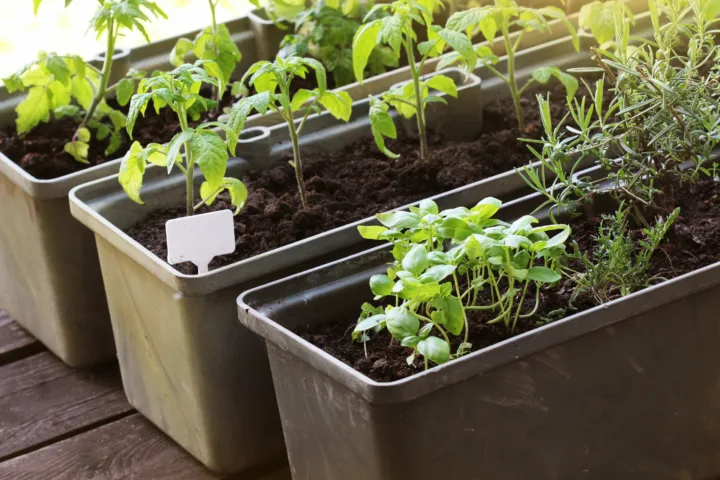
I learned to pick containers at least 12 inches wide for most annuals. Larger ones hold moisture longer and give roots room to breathe. Clay looks great but sucks water out of the soil. Plastic holds moisture better. I often drop a plastic nursery pot inside a pretty clay one. Best of both.
Drainage holes are non-negotiable. I drill extra ones if needed. Then I add a thin layer of gravel or broken pottery shards at the bottom before the potting mix. No garden soil. Ever. It packs down and kills roots. I stick with lightweight potting mix that already has some fertilizer mixed in.
One more thing I wish someone told me earlier: group plants with the same needs. Sun lovers together. Shade plants in their own pots. Mixing them is a fast way to watch half the container struggle.
A gravel layer does not improve container drainage and reduces root space, so prioritize unobstructed holes and quality potting mix instead.
The Thriller-Filler-Spiller Formula I Rely On
This simple approach changed everything for my flower container ideas. One tall plant grabs attention. Medium plants fill the middle. Trailing ones spill over the edge.
I plant the thriller slightly off-center so the whole pot feels natural instead of stiff. Fillers go around it. Spillers hug the rim.
Here are a few combinations that have worked hard for me:
- Sunny heat lovers: Tall angelonia as thriller. Lantana or zinnia as filler. Calibrachoa or sweet potato vine as spiller. These laugh at afternoon sun and keep blooming with less water.
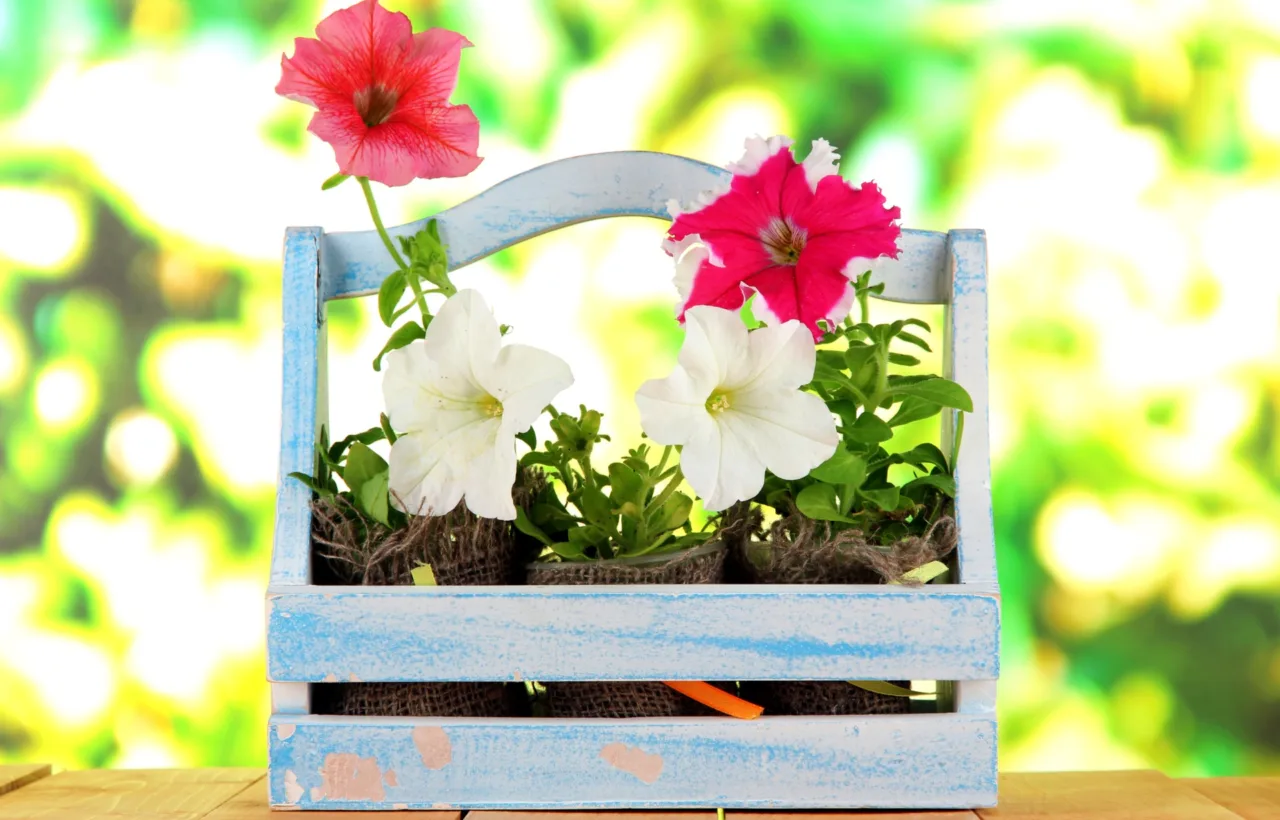
- Soft cottage look: Snapdragons or dwarf salvia for height. Petunias and alyssum for fullness. Lobelia or ivy cascading down. Soft pinks and purples make the whole thing feel relaxed.
- Shade winners: A small hosta or upright fuchsia for structure. Begonias and coleus for color and texture. Trailing ivy or lysimachia over the sides. These stay lush even on my north-facing balcony.
I pack them tighter than garden spacing suggests. Containers are temporary. Dense planting looks full right away and crowds out weeds.
Contain sweet potato vine in sunny mixes by trimming runners regularly, or it can overwhelm slower-growing angelonia, lantana, or zinnia.
Creative Flower Container Ideas Beyond Basic Pots
Regular terracotta gets boring after a while. I started hunting for everyday objects that could hold soil and water.
Old watering cans work beautifully. I drill a few holes in the bottom, line them if needed, and plant trailing nasturtiums or herbs. The spout becomes part of the design.
Galvanized buckets and washtubs give a clean farmhouse feel. I use them for mixed annuals or even small hydrangeas. Just make sure you add drainage.
Vintage teapots and coffee mugs hold single stems or tiny arrangements indoors. Outside I stick to larger items that can handle weather.
I once planted pansies in an old pair of rain boots. Neighbors stopped to laugh and ask questions. That little project reminded me gardening should feel playful.
Window boxes and railing planters solve small-space problems. I fill them with trailing petunias, verbena, and a few upright geraniums. They turn blank railings into living borders.
For something different I tried a wooden crate lined with landscape fabric. It held a mix of herbs and edible flowers. Nasturtiums spilled out the sides and the whole thing smelled like summer.
FYI, anything that holds water can become a container if you solve drainage first. I have used old toolboxes, wooden drawers, and even a chipped ceramic sink. Each one tells a small story on the patio.
Secure loaded railing planters before filling them, since wet soil makes these small-space containers substantially heavier than they appear.
Best Flowers That Keep Performing in Containers
Not every flower thrives in a pot. I wasted money learning that lesson.
These have become my reliable performers:
For full sun Petunias (especially the Wave and Supertunia types) bloom nonstop if I feed them. Zinnias give bright color and make great cut flowers. Lantana shrugs off heat. Geraniums stay upright and cheerful. Marigolds handle neglect better than most.
For shade or part shade Impatiens and their sun-tolerant cousins still deliver color. Begonias shine in filtered light. Fuchsias bring those dangling blooms that hummingbirds love. Coleus adds foliage drama when flowers are scarce.
Perennials that behave in pots Dwarf hostas, lavender in well-draining mix, and compact salvias return year after year if I protect them in winter. I move the pots against a sheltered wall and wrap them loosely when hard freezes hit.
I always deadhead spent blooms. It keeps energy going into new flowers instead of seeds. A quick weekly trim makes the containers look intentional instead of tired.
Lavender usually survives winter in containers better when the pot stays sheltered and nearly dry, because cold, saturated roots are especially vulnerable.
Practical Care Tips That Save Time and Plants
Watering is the biggest daily job. I stick my finger into the soil. If the top inch feels dry, I water deeply until it runs out the bottom. Shallow sips create weak roots.
In peak summer heat I water most pots every day. Bigger containers need it less often. I group pots together so they create a little humid microclimate and I can water them all at once.
Fertilizer matters. Potting mix nutrients wash out fast. I mix slow-release granules into the soil at planting time. Then I add a diluted liquid feed every two weeks during heavy blooming.
Pests show up sometimes. Aphids love tender new growth. I blast them off with a strong stream of water or use insecticidal soap. Healthy plants fight better than stressed ones, so good culture prevents most problems.
In fall I clean pots thoroughly and store the sturdy ones. Some perennials go into a protected spot. The rest I compost. Starting fresh each spring keeps diseases from building up.
Grouping Containers for Bigger Impact
One lonely pot looks sparse. Three or five together create a scene.
I vary heights by putting some pots on stands or overturned crates. I repeat colors across containers so the eye moves smoothly. A big pot of something bold anchors the group. Smaller ones fill in.
On my balcony I line the railing with matching boxes for a clean look. On the patio I mix sizes and shapes for a collected feel. Either way the space feels intentional instead of random.
I also move pots around as the season changes. Early spring pansies give way to summer heat lovers. Fall mums and ornamental kale take over when nights cool. Flexibility is the real gift of containers.
Frequently Asked Questions
What are some easy flower container ideas for beginners? Start with one large pot, good drainage, and three plants that share the same sun and water needs. A tall geranium, a few petunias, and a trailing sweet potato vine is hard to mess up. Water when the soil feels dry and feed every couple of weeks.
How often should I water flower containers? Most need water when the top inch of soil dries out. In hot weather that can mean daily. Bigger pots and cooler weather stretch the time between waterings. Always water until it drains out the bottom.
Can I use regular garden soil in containers? No. Garden soil packs too tightly and holds too much water. Use a quality potting mix made for containers. It stays lighter and gives roots the air they need.
What size container works best for most flower container ideas? I aim for at least 12 inches wide and deep for mixed plantings. Smaller pots dry out too fast and limit root growth. Larger ones are more forgiving and look fuller longer.
Do flower containers need fertilizer? Yes. Nutrients wash out quickly. Mix slow-release fertilizer into the soil at planting, then follow up with liquid feed every two weeks while plants are blooming hard.
I keep coming back to the same truth. Good flower container ideas start with matching plants to the conditions you actually have, not the ones you wish you had. Drainage, size, and consistent care do more than any fancy pot ever will.
My patio still has a few imperfect spots. Some plants sulk. Others surprise me. That is part of the fun. Grab a pot this weekend, fill it with something that makes you happy, and watch what happens. The blooms will follow.