
I spent three summers throwing plants into random pots and calling it a garden. The results looked sparse, uneven, and frankly a little sad. Then I locked in on container garden design as an actual skill instead of a hopeful experiment, and everything shifted. My patio went from scattered afterthoughts to something that feels deliberate and full. This is the exact process I use now, the mistakes I keep repeating so you can skip them, and the small decisions that make the difference between “meh” and “wait, you did that yourself?”
Why Most Container Setups Fall Flat
I used to think more plants equaled better. Wrong. Too many tiny pots create visual noise. Plants with different water needs fight each other. Heights stay level and the whole thing reads as flat.
See, the real issue is rarely the plants themselves. It’s the lack of structure. Once I started treating every pot like a mini composition, the results got cleaner fast.
Honestly? I wasted money on cute little containers that dried out in two days. Bigger is almost always better for both the plants and the eye.
My Core Container Garden Design Formula
I build every single pot around one reliable framework. It keeps me from overthinking.
Before planting, photograph your empty containers together; mismatched heights and repeated shapes become obvious before you spend money on plants.
Thriller, Filler, Spiller Still Rules
This is the backbone. I place one strong vertical plant as the thriller. It gives height and a clear focal point. Then I add mounding plants as fillers to create bulk and color. Finally I tuck in trailing plants as spillers so the edges soften and the pot feels finished instead of chopped off.
For a 16-inch pot I usually go with one thriller, three to five fillers, and a handful of spillers. Exact numbers flex based on plant size, but the roles stay fixed.
I learned the hard way that plants must share the same light and water requirements. Pair a drought-loving succulent with a thirsty annual and one of them loses. Every time.
Scale and Proportion Matter More Than You Think
Plants should finish roughly twice as tall as the visible part of the pot. A short plant in a deep container looks lost. A tall plant in a shallow one tips over or looks top-heavy.
I now buy the largest container the space can handle. Larger soil volume holds moisture longer and supports stronger roots. Small pots punish you with constant watering and weak growth.
Choosing Containers That Work Hard
Material changes everything. Terracotta breathes and looks classic, but it dries fast. Plastic holds water longer and stays lighter. Fiberglass or resin gives the look of stone without the weight.
I always drill extra drainage holes if they look skimpy. No exceptions. Standing water kills roots faster than almost anything else.
Color of the pot matters too. Neutral tones let the plants shine. Bold colors can fight the flowers. I match the pot style to the house exterior so the whole scene feels connected instead of random.
Grouping Containers for Real Impact
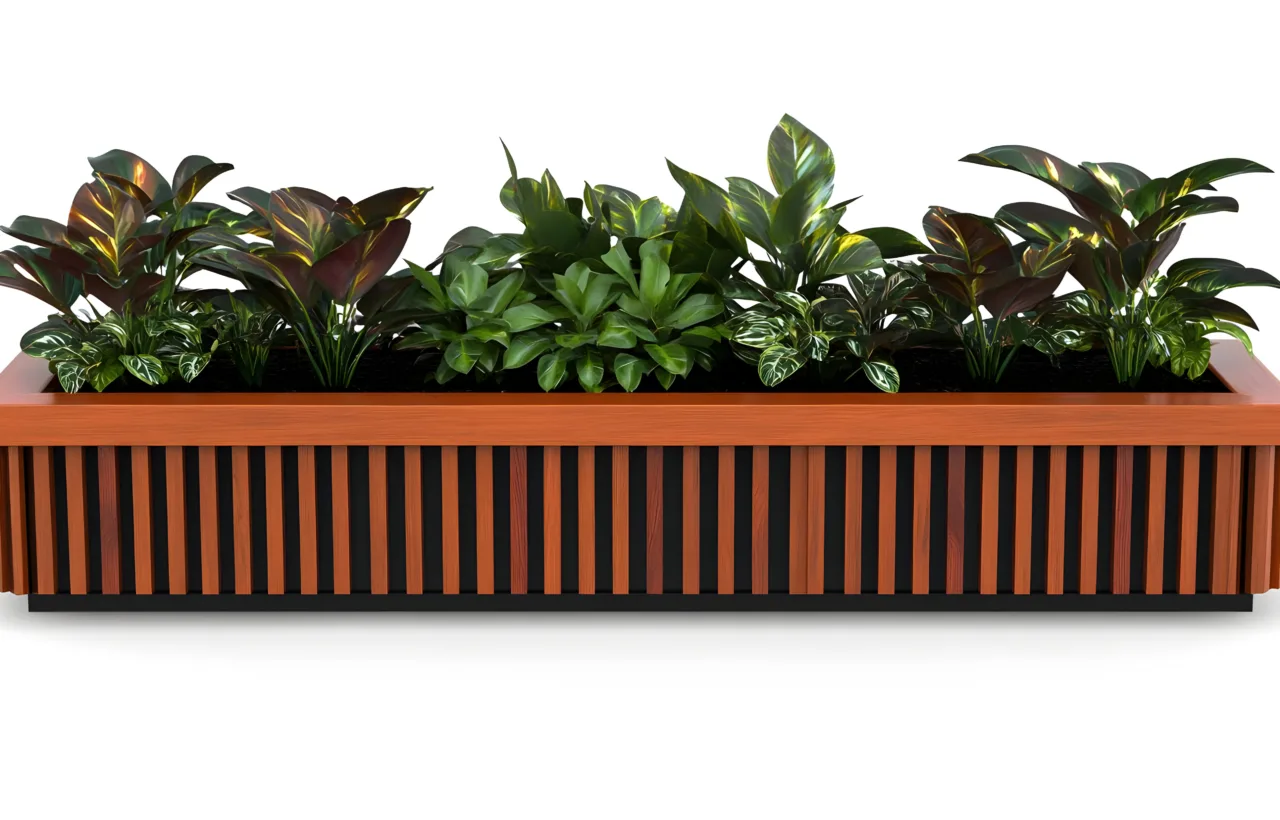
One lonely pot rarely does much. I cluster three or five containers of mixed heights in the same family of finishes. Odd numbers feel natural. Matching finishes create calm. Different heights create movement.
I put the tallest pot toward the back or center depending on the viewing angle. Then I step smaller ones forward. The result reads as one intentional vignette instead of scattered objects.
Plant Combinations That Deliver
I stick to a limited color story. Too many hues turn chaotic. Analogous colors (next to each other on the wheel) feel calm. Complementary colors create punch. I pick one approach and stay loyal to it for that pot.
Foliage is half the battle. A mix of leaf shapes and textures keeps interest even when flowers take a break. Chartreuse next to deep purple. Fine blades next to broad leaves. Silver foliage softens almost any mix.
Easy Wins for Sun
For full sun I reach for ornamental grasses as thrillers, coleus or salvia as fillers, and sweet potato vine or calibrachoa as spillers. Those combinations hold up under heat and still look lush.
Shade Solutions That Don’t Look Sparse
Shade pots need drama from foliage more than flowers. I use hostas or ferns for structure, then add impatiens or begonias for color, and let ivy or dichondra spill. The texture carries the design when blooms are limited.
Edibles work beautifully too. I keep a pot of purple basil next to trailing cherry tomatoes near the kitchen door. Pretty and useful at the same time.
Soil, Water, and the Maintenance Reality
Garden soil belongs in the ground, not pots. It compacts and drains poorly. I use a quality potting mix every time, often with a bit of extra perlite for air flow. I leave an inch of space at the top so water doesn’t spill over the rim every time I water.
Watering is the daily reality. Containers dry faster than beds. In peak summer I check every morning. I water until some drains out the bottom. That flushes salts and keeps roots happy.
Fertilizer helps because nutrients wash out with frequent watering. I mix in a slow-release product at planting and follow with a diluted liquid feed every couple of weeks. Plants in pots are hungry.
Placement Tricks That Elevate the Whole Space
I treat containers like furniture. They frame doors, line steps, or create soft walls around a seating area. Repetition of the same plant in matching pots along a path pulls the eye and feels intentional.
Vertical space is free real estate. I hang baskets at staggered heights or use a simple tiered stand. Rail planters turn a balcony railing into a green edge without stealing floor space.
I move pots as the season changes. What works in spring sun may need afternoon shade later. Containers give me that flexibility. In-ground beds do not.
Mistakes I Still Catch Myself Making
I sometimes crowd too many plants in the name of instant fullness. They compete and the whole pot suffers. Better to start a little open and let them fill in.
I also used to ignore the view from inside the house. Now I place the best pots where I actually see them from the kitchen or living room window. That’s the real daily payoff.
And I still fight the urge to buy every pretty annual I see. Discipline beats impulse. One strong combination outperforms five mediocre ones.
Seasonal Shifts Keep It Fresh
In spring I lean on bulbs and cool-season color. Summer brings the heat-tolerant mix. Fall lets me switch to ornamental grasses, mums, and trailing ivy for structure that lasts longer.
I leave some permanent plants in place year after year. Boxwood or a small evergreen becomes the anchor. Seasonal annuals fill around it. That approach saves money and keeps the design from starting from zero every spring.
Frequently Asked Questions
How often should I redesign my container garden design each year? I refresh the annuals every season but keep the permanent structure plants in place for two or three years. Full redesign happens only when the permanent plants outgrow their pots or the overall look starts feeling tired.
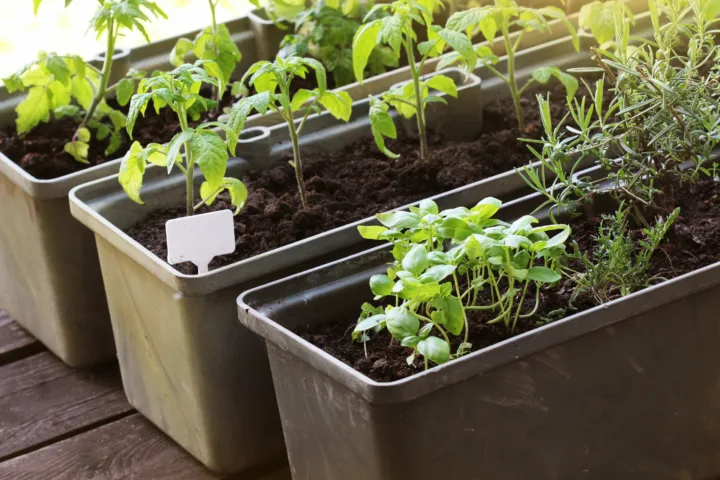
Can I use the same container garden design approach for vegetables? Yes. The thriller-filler-spiller idea still works. A tomato or pepper can act as the thriller, herbs fill the middle, and trailing strawberries or nasturtiums spill over the edge. Just match the light and water needs carefully.
What size pot is best for beginners learning container garden design? Start with something 14 to 18 inches across. Smaller pots dry out too fast and limit your plant choices. Larger ones forgive watering mistakes and look more substantial right away.
Do I need special tools for good container garden design? Not really. A good potting mix, a trowel, and something to raise pots off the ground for drainage cover most situations. A rolling plant caddy becomes useful once the pots get heavy.
How do I keep my containers looking full all season? I plant a little denser than feels comfortable at the start, deadhead spent blooms regularly, and feed consistently. If a plant fails midseason I simply swap it out. Containers make that easy.
I still walk out to the patio some mornings and feel a quiet hit of satisfaction. The pots look considered instead of accidental. The heights work. The colors talk to each other. The spillers soften everything just enough.
You don’t need a huge budget or years of experience. You need a clear formula, a few honest size decisions, and the willingness to treat each pot like its own small composition. Start with one solid container this weekend. Get the roles right. Match the needs. Then build from there.
That’s how I went from scattered pots to a space that actually feels designed. Your turn.