
I stared at my bare wooden deck for two full seasons before I finally tried container gardening. The space felt dead. Hot boards. Zero shade. Wind that knocked over anything light. I needed deck container garden ideas that worked in real conditions, not the glossy magazine versions that ignore weight limits and drying winds.
I started small. One pot. Then three. Then a whole system that now feeds me herbs, gives me flowers, and softens every corner. What follows is everything I learned the hard way so you skip the dead plants and the warped boards.
Why I Stopped Waiting for the Perfect Yard
My deck measures twelve by fourteen feet. No ground access. No built-in beds. Just boards and a railing that catches every gust. Traditional gardening was never an option.
Containers changed that. I could move things. I could control the soil. I could test ideas without digging up the whole yard. Honestly? The freedom felt better than any in-ground plot I ever had.
See, the real win is flexibility. One season I go heavy on edibles. The next I lean into pollinators. The pots move with the sun. They leave with me if I ever change houses. That mobility keeps the whole setup practical.
Choosing Containers That Survive Deck Life
I ruined three terracotta pots the first summer. They cracked. They dried out overnight. Lesson burned in.
Pick materials that handle heat and wind. Fiberglass, cedar, and thick glazed ceramic stay cooler and last longer. UV-stabilized plastic works if you choose the heavy versions. I avoid thin plastic. It gets brittle fast.
Size matters more than looks. Anything under twelve inches deep dries too fast and stunts roots. I aim for fifteen to eighteen inches deep for most plants. Larger pots hold moisture and give roots room. Smaller ones force me to water twice a day. No thanks.
Drainage is non-negotiable. Every pot needs holes. I cover them with a scrap of mesh so soil stays put. I never leave standing water in saucers. Root rot hits fast on a hot deck. I elevate pots on feet or bricks so air circulates underneath and the boards stay dry.
Weight is the silent killer. Wet soil is heavy. I check my deck’s load rating and keep big pots near support posts. I add lava rock in the bottom third of large containers for ballast. Wind no longer tips them.
My Favorite Deck Container Garden Ideas for Real Spaces
I tested more combinations than I care to admit. These are the ones that stuck.
The Tiered Herb and Tomato Stack
I use a three-tier cedar planter against the railing. Top tier holds lavender. Middle holds a compact cherry tomato. Bottom spills oregano and thyme. The height creates privacy without blocking light. The herbs stay within reach when I cook outside. One structure. Multiple harvests.
The Rail Box Salad Bar
I screwed two long cedar boxes straight onto the railing. Lettuce. Beets. Mustard greens. I sow every ten days for a continuous cut. The boxes sit at waist height so I never bend. Rain washes excess water off the sides. No mess on the boards.
The Vertical Pocket Wall
Space is tight on my deck. I hung a fabric pocket planter on the wall that faces the house. Pincushion flowers. Catmint. Tiny zinnias. Cerastium for the trailing green. It softens the blank wall and draws bees. The whole thing takes almost zero floor space.
The Dwarf Fruit Trio
Three eighteen-inch fiberglass pots hold a dwarf pomegranate, a compact mandarin, and a blueberry bush. They sit in the sunniest corner. I water them on a schedule and get actual fruit. The pots look intentional instead of random. Guests always ask about them.
The Succulent Bowl That Needs Almost Nothing
A shallow concrete bowl holds echeveria, sedum, and graptopetalum. I water it every ten to fourteen days. It sits on a side table and never complains about heat or wind. Perfect for the spot that gets full afternoon sun and zero shade.
The Rolling Cart Garden
I bought a metal utility cart with shelves. Pots of basil, chives, and parsley live on the lower levels. A trailing sweet potato vine drapes the top. I roll the whole thing into shade during heat spikes or under cover when storms hit. Mobility is everything on a small deck.
The Odd-Number Grouping
I stopped lining pots in straight rows. Three pots of different heights look better than two or four. I group a tall grass, a mid-height flower, and a trailer. The eye reads it as one unit instead of scattered clutter.
Plants That Actually Hold Up on a Deck
Deck conditions are harsh. Reflected heat. Stronger wind. Faster drying. I choose tough plants with thick leaves or flexible stems.
Full sun winners I keep coming back to:
- Lavender (Blue Spice or Hidcote)
- Rosemary
- Compact tomatoes (Patio Snacker or Tumbling Tom)
- Zinnias (Tiny Tot size)
- Ornamental grasses that bend instead of snap
Shade side survivors:
- Ferns (Autumn and Japanese painted)
- Heuchera
- Hostas in large pots only
- Calendula
Edibles that stay compact:
- Bush beans
- Lettuce and mustard greens
- Chives, thyme, oregano
- Dwarf peppers
I skip anything with thin leaves or sprawling vines unless I give it a trellis and constant water. Those plants fight the conditions and lose.
Vertical Moves That Free Up Floor Space
Floor space is gold. Every pot that goes up frees room for chairs.
I hang baskets from the overhead beams. Petunias and dichondra trail down. I use a ladder shelf in one corner for layered pots. Wall-mounted pockets handle the herbs. Climbers on simple trellises against the house wall give height without bulk.
One of my best decisions was adding a freestanding plant wall made from rebar mesh. I hang pots with S-hooks. It creates a soft screen between the deck and the neighbor’s view. Privacy without a fence.
Watering Without the Daily Panic
Decks dry out fast. Wind pulls moisture. Dark boards radiate heat.
I water deeply until water runs out the bottom. Then I wait. Finger test. If the top two inches feel dry, I water again. In peak summer that means every other day for most pots. Succulents wait longer.
I set up a simple drip line for the bigger planters. A battery timer handles the rest. No more dragging hoses at 6 a.m. FYI, self-watering inserts work well in the rail boxes. They cut the frequency in half.
I also mulch the soil surface with fine bark. It slows evaporation and keeps roots cooler.
Maintenance That Fits Real Life
I refresh the top third of the soil each spring. I pull out any plants that struggled and replace them. I prune after the main flush of flowers so things stay tidy.
In fall I move the tender pots against the house wall or into the garage. The hardier ones stay out with a layer of mulch. I clean the boards underneath every few months so water never sits.
Pests stay low because airflow is better than in a packed garden bed. I check undersides of leaves once a week. That is usually enough.
Common Mistakes I Made So You Skip Them
I used garden soil once. It compacted into concrete. Never again. Always potting mix with perlite or bark.
I overcrowded pots. Plants fought for light and water. Now I leave space.
I ignored the sun map of my deck. Some corners bake. Others stay cool. I match plants to the actual light, not the hope of light.
I bought cute pots with no drainage. Those went in the trash after one soggy week.
Frequently Asked Questions
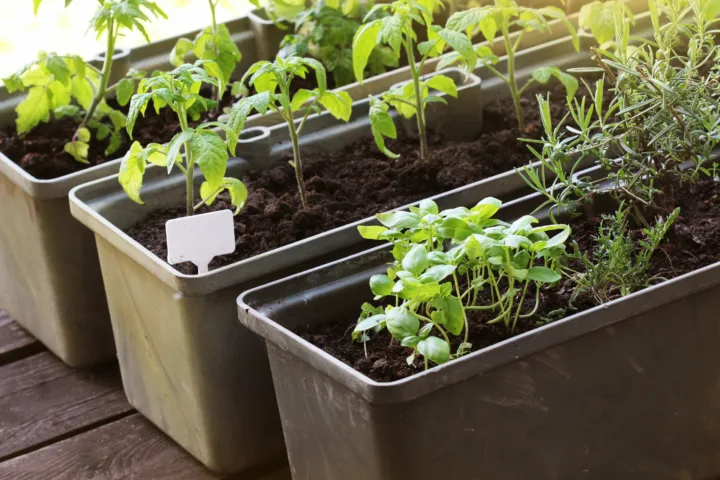
What are the best deck container garden ideas for beginners? Start with one large pot of herbs and one hanging basket of trailing flowers. Keep the setup simple so you learn watering and light without overwhelm.
How do I keep containers from damaging my deck boards? Use pot feet or risers under every container. Elevate them so air moves and water drains away from the wood. Seal the deck if it is not already protected.
Can I grow vegetables successfully with deck container garden ideas? Yes. Choose compact or determinate varieties. Give them the biggest pots you can manage and consistent water. I harvest tomatoes, lettuce, and beans every summer this way.
How much weight can a typical deck handle for containers? Most residential decks handle 40 to 60 pounds per square foot. Calculate the wet weight of soil and pots. Keep the heaviest ones near support beams and posts.
Do I need special soil for deck containers? Regular garden soil fails. Use a quality potting mix that drains well. I add extra perlite or bark for even better airflow and moisture control.
I still walk out onto that same deck every morning. The boards look the same. Everything else feels different. Greenery softens the edges. Herbs wait for the next meal. Flowers pull in the bees. The space finally works for me instead of against me.
Start with one solid container and one tough plant. Move things around until the arrangement feels right. Adjust as the seasons change. Your deck will tell you what it needs if you pay attention. Mine did. Yours will too.