
I started container vegetable gardening after my backyard turned into a muddy mess every spring. Honestly? I thought pots would never produce enough food to matter. Then I harvested my first real tomato from a five-gallon bucket on the balcony, and everything shifted.
I have tested dozens of container vegetable garden ideas over the last few years. Some flopped hard. Others kept my kitchen stocked from June through October. This is the stuff that worked for me in a small space with zero yard.
You need sun. You need the right size pots. You need soil that does not turn to concrete. I learned those lessons the expensive way. Now I share the practical version so you skip the failures.
Why I Switched to Containers in the First Place
My old in-ground plot fought me every season. Clay soil. Constant weeds. And a slope that sent water running the wrong way. Containers fixed most of that overnight.
I can move pots to chase the sun. I control every drop of water. And I never dig again. That alone sold me.
The real win came when I realized how many vegetables thrive in pots if you match the container to the plant. Cherry tomatoes. Peppers. Leafy greens. Bush beans. They all delivered better than I expected once I stopped guessing at sizes.
See, most people under-size their pots. I did that my first year. Roots circled. Plants stayed tiny. Yields stayed sad. Bigger containers changed everything.
The Containers I Actually Use and Why
I keep a mix of materials now. Each type has a job.
Fabric grow bags became my favorite for tomatoes and peppers. They air-prune the roots so plants stay compact and productive. I use 10-gallon bags for determinate tomatoes and 7-gallon ones for peppers. They fold flat for storage when the season ends.
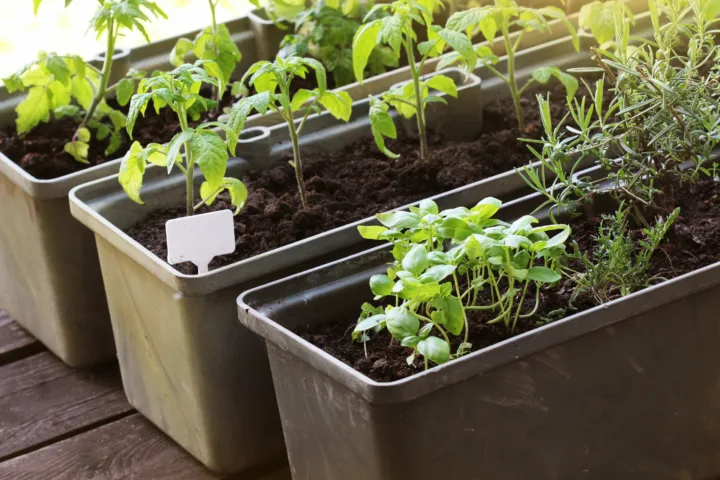
Plastic five-gallon buckets still work when I need cheap and sturdy. I drill extra drainage holes and paint the outside so they look less industrial. Two plants of bush beans fit perfectly in one.
Self-watering planters saved my greens during heat waves. The reservoir underneath keeps moisture steady. Lettuce and spinach stay happy even when I forget a day.
Wooden crates and old wash tubs add character on the patio. I line them with landscape fabric and make sure drainage exists. They hold root crops like carrots and radishes well.
I avoid thin metal without liners. Roots cook in summer heat. Glazed ceramic looks pretty but stays heavy and expensive. I stick with lighter options I can actually move.
One hard rule I follow every time: drainage holes are non-negotiable. No holes means root rot. I learned that after losing an entire pepper crop to soggy soil.
Fabric grow bags usually dry faster than buckets, so place them closest to your watering route during hot weather.
Best Vegetables That Actually Produce in Containers
Not every vegetable belongs in a pot. I wasted money learning which ones do.
Tomatoes That Deliver
I grow only determinate or patio varieties now. Indeterminate types turn into monsters that tip pots over. Cherry types like Sungold and Tiny Tim fill bowls all summer. I plant one plant per 10-gallon container and cage it the day it goes in.
Full-size bush tomatoes need at least that same 10-gallon minimum. Anything smaller starves the roots.
Peppers of Every Kind
Both sweet and hot peppers love containers. The soil warms faster than ground, so they fruit earlier for me. Five-gallon pots work. I keep them in the hottest corner of the patio. Consistent water prevents blossom end rot better than any spray I tried.
Leafy Greens for Constant Harvests
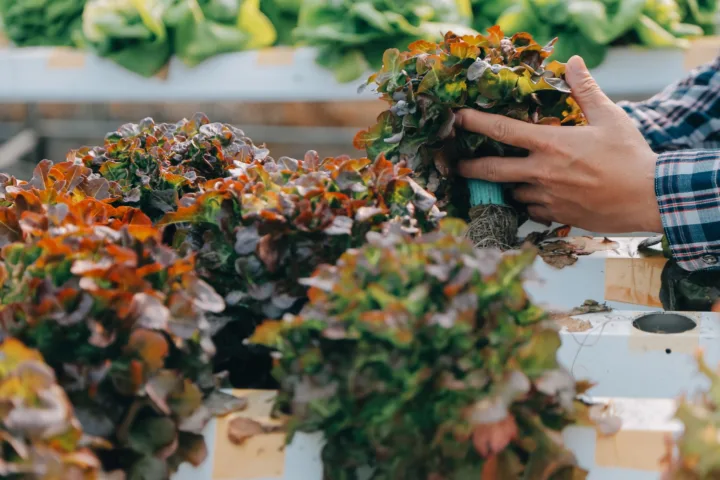
Lettuce, spinach, arugula, and Swiss chard fill the gaps between bigger plants. Shallow containers (six to eight inches deep) are enough. I sow every three weeks for cut-and-come-again salads. These are the easiest wins for beginners. FYI, they also handle a bit of afternoon shade.
Bush Beans and Peas
No trellis needed. I plant six seeds in a five-gallon pot and thin to four. They produce fast and keep coming if I pick often. Pole types need vertical support and more space, so I skip them in containers.
Root Crops That Fit
Carrots and radishes need depth more than width. I use deep pots or grow bags at least twelve inches tall for full-size carrots. Shorter varieties like Thumbelina work in shallower ones. Radishes finish in under a month. Perfect for testing new soil mixes.
Herbs That Pull Double Duty
Basil, parsley, oregano, and chives live on the edge of every big pot. They fill space, deter some pests, and end up in almost every meal. Mint stays in its own pot. That plant invades everything otherwise.
I skip corn, full-size squash, and most melons. They demand too much space and water for the return I get.
Soil and Watering Rules I Never Break
Garden soil from the yard kills container plants. It packs down and holds too much water. I use a high-quality potting mix every time. Sometimes I blend in extra compost for fertility.
Containers dry out faster than ground. In peak summer I water once or twice a day. The finger test never lies. Stick it an inch down. Dry means water. Wet means wait.
I fertilize every two weeks with a balanced liquid feed after the first month. Nutrients wash out with every watering. Slow-release granules in the mix help, but they are not enough alone.
Overwatering still ranks as my number one past mistake. Yellow leaves and wilted stems often mean roots sitting in water, not drought. Good drainage and the finger test fixed that.
Apply liquid fertilizer to already-moist potting mix, not bone-dry soil, to distribute nutrients more evenly around container roots.
Layout Ideas That Maximize Small Spaces
My balcony measures roughly eight by ten feet. Every square inch counts.
I group pots by water needs. Thirsty tomatoes and cucumbers stay near the hose. Greens sit a bit farther out.
Vertical space matters. I lean simple trellises against the railing for cucumbers and peas. Hanging baskets hold trailing cherry tomatoes and strawberries. Tiered stands let me stack three levels of herbs and lettuce without losing floor space.
One successful setup I repeat every year:
- Two large grow bags for tomatoes along the sunny rail
- Three medium pots of peppers clustered nearby
- A long window box of mixed greens under the kitchen window
- Hanging baskets of herbs at different heights
- One deep tub of carrots and radishes in the corner
I move pots around as the season shifts. Morning sun spots become afternoon shade spots. Containers let me adjust without digging.
Succession planting keeps harvests coming. When the first lettuce finishes, I sow more. When bush beans slow down, I drop in a late crop of spinach. Nothing sits empty for long.
Waterlogged hanging baskets become surprisingly heavy, so verify railing brackets and weight limits before suspending tomatoes or strawberries.
Common Mistakes I Made So You Do Not Have To
I planted too many varieties the first season. Everything looked exciting on the seed rack. Most of it underperformed because I could not keep up with watering and feeding.
I used pretty pots without drainage. Pretty does not equal functional.
I ignored sunlight. Six hours minimum for fruiting plants. Anything less and tomatoes stay green forever.
I bought the cheapest potting soil. It compacted within weeks. Spending a little more on a good mix paid for itself in harvest weight.
I forgot to support tomatoes early. By the time they needed cages, the plants were too big and stems snapped. Now the cage goes in at planting time.
Start small. Three or four solid containers beat twelve struggling ones every time. IMO that single change produced more food than any fancy technique.
Seasonal Timing That Works in Most Zones
I start cool-season crops (lettuce, spinach, radishes, peas) as soon as the soil in the pots warms a bit in spring. Warm-season crops (tomatoes, peppers, beans, cucumbers) wait until nights stay above 50 degrees.
In late summer I sow another round of greens for fall. Containers cool faster than ground, so I sometimes move them against a warm wall to stretch the season.
Frost covers and old sheets protect plants on surprise cold nights. Because the pots are portable, I can haul the most valuable ones indoors if a hard freeze threatens.
Frequently Asked Questions
What size container do I need for tomatoes? I never go smaller than a 10-gallon pot or grow bag for a single plant. Five gallons works for the tiniest patio varieties, but bigger always yields more fruit for me.
Can I use regular garden soil in containers? No. It packs hard and drains poorly. I stick with bagged potting mix every single time.
How often should I water a container vegetable garden? Daily in hot weather, sometimes twice. The finger test decides. Dry an inch down means water deeply until it runs out the bottom.
Which container vegetable garden ideas work best for beginners? Start with leafy greens and bush beans in medium pots. They forgive mistakes and produce fast. Add one tomato and one pepper once you feel comfortable.
Do containers need fertilizer? Yes. Nutrients wash out quickly. I feed every two weeks with liquid fertilizer once plants are established.
Final Thoughts From My Patio
I still walk outside every morning and check the pots. That small habit keeps problems small. A quick water. A picked pepper. A handful of basil. The payoff feels immediate.
Container gardening will not replace a full backyard plot if you have one. It will, however, let you grow real food in places most people write off as impossible. Balconies. Patios. Driveways. Even a sunny stoop.
I started with three buckets and a bag of potting mix. Now I harvest enough to share. The system scales with whatever space and energy you have.
Grab a pot this weekend. Fill it with good mix. Plant something simple. Watch what happens. That first ripe tomato from a container still tastes better than anything from the store.