
I spent two full seasons watching my cucumber vines flop over the edge of their pots and rot on the patio stones. My balcony measured maybe eight feet by four. Every square inch mattered. That frustration pushed me straight into figuring out a solid container trellis system that actually stayed upright and let the plants climb.
Honestly? The first attempts looked ridiculous. I jammed a couple of bamboo sticks into a five-gallon bucket and hoped for the best. The whole thing tipped over in the first windstorm. I felt defeated. Then I started treating the trellis like part of the container itself instead of an afterthought. Everything changed.
See, a container trellis is not just a stick in dirt. It is the difference between sprawling mess and productive vertical growth. I grow tomatoes, beans, sweet peas, and even a couple of clematis in pots now. The right support keeps foliage off the wet soil, improves air flow, and gives me harvests I never thought possible in such limited space.
Why a Container Trellis Changed My Small-Space Garden
I used to think vertical gardening only worked in the ground. Wrong approach. Container gardening forces you to think differently about support. The pot itself becomes the base. Any trellis has to account for weight distribution, wind, and the limited root zone.
My biggest early mistake was choosing supports that were too tall for the pot size. A six-foot metal grid in a twelve-inch container turns into a sail. The whole thing tips. I learned to match height to container diameter. Rough rule I follow now: keep the trellis no taller than one and a half times the pot height for most setups.
The benefits hit me hard once I got it right. Plants stay cleaner. Disease pressure drops because leaves dry faster. I harvest more because fruits hang free instead of sitting on damp soil. And the visual payoff is real. A climbing bean tower or a sweet pea teepee turns a plain pot into something that looks intentional.
Types of Container Trellis I Actually Use
I tested a lot of options. Some worked. Some became garden art for one season and then failed.
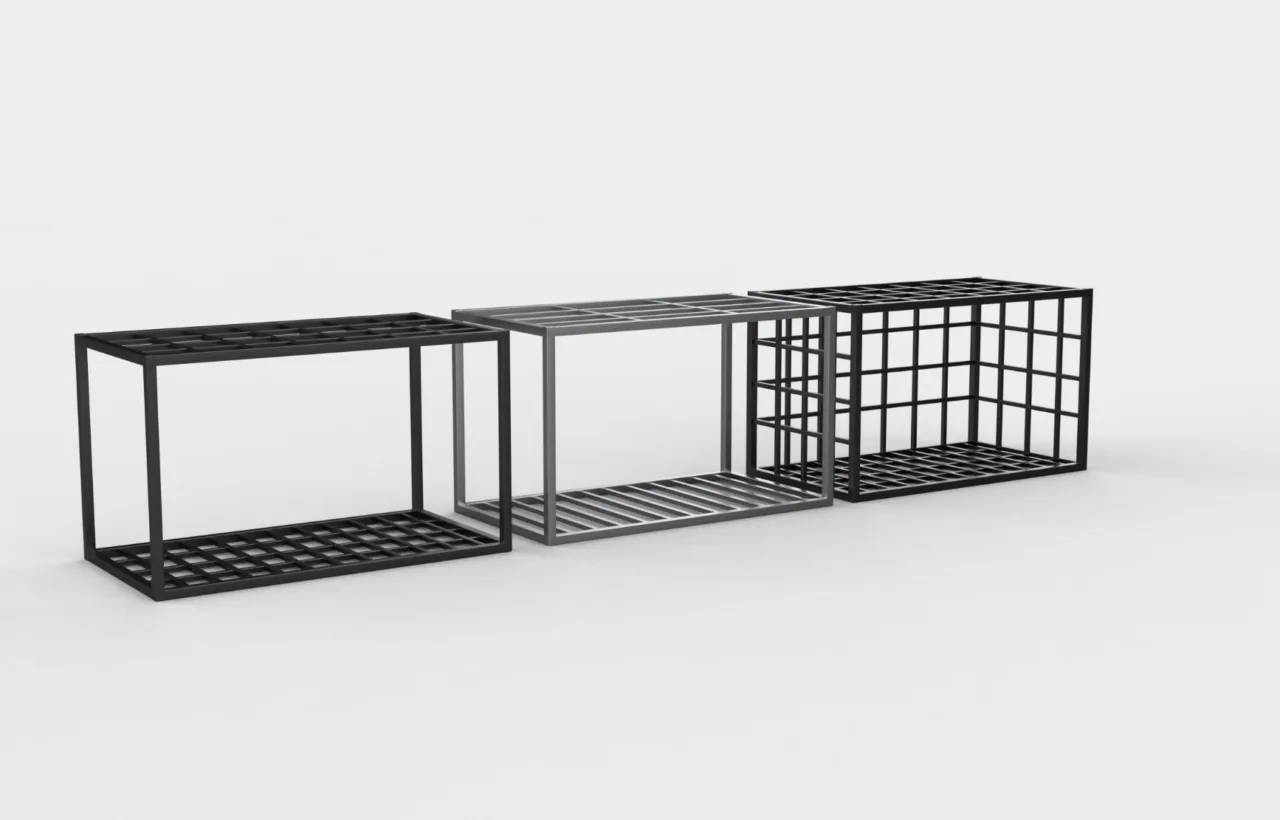
Match grid openings to the crop: cucumbers need clear hanging space, while beans can climb narrower teepee gaps.
Tomato Cages and Simple Wire Supports
Old tomato cages still rank high for me. I stick the wide end up into a large pot for determinate tomatoes or peppers that need light support. For smaller containers I wire two cages together. Cheap. Effective. Paint them if the rust bothers you. They handle moderate weight without drama.
Obelisks and Pyramids
Metal or cedar obelisks look polished. I use a powder-coated metal one in a big ceramic pot for climbing roses and heavier clematis. The four legs spread the load. Stability improves dramatically compared to a single stake. Bamboo versions work for lighter annuals like black-eyed Susan vine or nasturtium. I tie the tops together with jute and push the legs deep into the soil.
Branch and Natural Teepee Styles
This is my favorite for sweet peas and pole beans. I collect sturdy branches about six to eight feet long. Four or five go into the pot in a circle. I lash the tops with garden twine. Then I weave smaller twigs horizontally for extra grip. The result feels organic. It costs almost nothing if you gather the wood yourself. The plants grab the rough bark better than smooth metal sometimes.
Arch and Wall-Mounted Options
When the pot sits against a wall or railing I go for a simple arch or flat lattice panel. I lean a short wooden lattice against the back of a large trough planter and secure it with a couple of stakes driven into the soil. Climbers cover it fast and give me a bit of privacy at the same time.
Ready-Made Expandable Metal Trellises
I keep a couple of those slim expanding metal ones that fold flat for storage. They work well for mandevilla or thunbergia in medium pots. Pull the legs apart to match the container width. Compress them again at the end of the season. Super practical for renters or anyone who moves pots around.
How I Build a Simple Branch Container Trellis
I keep this process straightforward. No special tools beyond pruners and twine.
Start with a container at least fourteen inches wide and deep. Fill it with quality potting mix. I mix in a little moisture-retaining crystals so the soil does not dry out as fast under the heat of a full trellis.
Choose four to five main branches. Look for ones with some natural forks or side twigs. Push them firmly into the soil around the edges of the pot until they feel solid. Space them evenly. Vary the heights a little for interest.
Next add shorter cross pieces. Weave them between the uprights at different levels. Tie intersections with short lengths of jute or soft garden tape. Keep the knots snug but not so tight they crush the wood.
Gather the tops and tie them together. Step back and check the balance. Adjust any leg that leans. The finished structure should feel sturdy when you give it a gentle shake.
Plant your climbers close to the base of the supports. Water well. As the vines grow, guide the first tendrils by hand. After that most of them figure it out.
I built three of these last spring. Two held sweet peas that bloomed for weeks. The third supported a mix of cucumbers and beans. Zero tip-overs even during a couple of gusty afternoons.
Avoid freshly cut green branches: they can bend as they dry, loosening jute intersections and changing the teepee’s balance.
Best Plants for a Container Trellis Setup
Not every climber belongs in a pot. I stick to ones with manageable root systems and growth that matches the support strength.
Pole beans remain my top pick. They produce heavily in a five-gallon pot with a simple teepee. Harvest almost daily once they start.
Cucumbers need a sturdy grid or cage. I choose bush or short-vining types for smaller containers and train them early. Fruit hangs clean and straight.
Sweet peas love a branch or bamboo teepee. The fragrance alone makes the effort worth it. They perform best in cooler weather so I start them early.
Clematis works if the pot is large and the roots stay cool. I mulch heavily and use an obelisk. Choose compact varieties.
Black-eyed Susan vine and nasturtium give quick color on lighter supports. Perfect for decorative pots on a sunny balcony.
Indeterminate cherry tomatoes climb well on a tall cage or grid. I prune lower suckers and tie the main stem loosely as it grows.
I avoid aggressive woody climbers like full-size wisteria or vigorous trumpet vine in anything smaller than a half-barrel. They outgrow the container too fast and stress the roots.
Start sweet peas early enough to finish before warm-weather beans or cucumbers overtake the shared support.
Practical Tips That Keep Everything Upright and Productive
Stability comes first. I place heavier pots on the windward side of the patio. Sometimes I add a few rocks in the bottom of lighter plastic containers for ballast before filling with soil.
Watering changes once the trellis fills in. The canopy shades the soil but also creates more leaf surface that transpires. I check moisture daily in hot weather and water deeply when the top two inches feel dry.
Fertilizer matters more in containers. I use a balanced liquid feed every two weeks during peak growth. Climbing plants are hungry.
Training is ongoing. I spend five minutes every few days tucking stray shoots back onto the support. Soft ties or plant clips prevent damage.
At season end I dismantle the temporary branch versions and compost what I can. Metal and wood ones get cleaned and stored. Ready-made expandable ones fold flat and take almost no space.
Rocks beneath potting mix do not improve drainage and reduce root volume; use a wider, heavier container for ballast instead.
Common Mistakes I Made So You Do Not Have To
I once used a trellis that was too narrow for the pot. The plant leaned and pulled the whole structure sideways. Now I match the footprint of the support to at least two-thirds of the container diameter.
Another time I waited too long to install the trellis. The vines had already sprawled and got damaged when I forced them onto the support. Install the trellis at planting time.
Cheap thin wire cages rusted through and collapsed under a heavy cucumber load. Spend a little more on powder-coated or thicker gauge if you plan to reuse them.
Ignoring the weight of wet soil plus mature plants is a classic error. A top-heavy setup tips. Keep proportions realistic.
Frequently Asked Questions
What size container works best with a container trellis? I start with at least a fourteen-inch wide pot for most climbing vegetables. Larger is better for tomatoes and heavier vines. Depth matters as much as width so roots have room.
Can I use a container trellis on a balcony with weight limits? Yes. Choose lightweight materials like bamboo or thin powder-coated metal. Skip heavy ceramic pots if the structure has strict limits. Fabric grow bags with a freestanding teepee keep the total weight down.
How do I stop my container trellis from tipping in wind? Match the height to the pot size. Add ballast to the bottom of the container. Position the pot against a wall or railing when possible. For freestanding setups I sometimes drive a couple of long stakes through the soil and into the ground if the patio allows it.
Which plants grow fastest on a container trellis? Pole beans and black-eyed Susan vine take off quickly once temperatures warm up. Sweet peas also move fast in cool weather. I get coverage in a few weeks with those.
Do I need to buy special potting mix for trellised containers? Regular high-quality potting mix works fine. I just make sure it drains well and add a bit of compost or slow-release fertilizer at planting. Moisture-retaining additives help during hot spells when the canopy is full.
I still experiment every season. Some years the branch teepees look better. Other years a simple metal obelisk does the heavy lifting. The core lesson stays the same. Treat the container and the trellis as one unit from the start. Give the plants something solid to climb and they reward you with cleaner growth, better production, and a patio that feels a lot bigger than it is.
Try one setup this season. Start simple. Adjust as the vines grow. You will figure out what works for your space the same way I did.