
I started my balcony garden three years ago with two sad pots and a whole lot of wishful thinking. My apartment patio measured maybe six by four feet. No yard. No soil. Just concrete, a metal railing, and neighbors who could see everything I did. I wanted herbs for cooking and a few flowers that didn’t look half-dead by July. That first season taught me more than any glossy magazine ever could.
You don’t need a backyard to grow real plants. A balcony garden works if you treat the space like the limited resource it is. I learned that the hard way after my first tomato plant toppled in a windstorm and took half my basil with it. These days I harvest cherry tomatoes, mint, and enough basil for weekly pesto. The whole setup still fits on that same small patio.
Checking the Basics Before You Buy a Single Pot
I almost skipped this step. Big mistake. Your building rules and the physical limits of the balcony matter more than the prettiest planter you spot online.
First I checked the lease. Some places ban anything heavier than a folding chair. Others limit how far pots can hang over the railing. My building allowed containers as long as nothing dripped onto the unit below. That single rule forced me to switch from cheap plastic saucers to ones with proper drainage trays.
Weight is the next silent killer. Wet soil and ceramic pots add up fast. I once calculated that a single large terra cotta pot full of damp mix weighed close to forty pounds. Multiply that by six and you start wondering about structural integrity. I switched to fabric grow bags and lightweight resin pots. The difference was immediate. My balcony felt safer and I stopped second-guessing every new addition.
Sun and wind come next. My patio faces west so it gets strong afternoon light and serious gusts. Plants that thrived on a friend’s east-facing balcony fried on mine within a week. I spent a full Saturday just watching the light move across the space. That observation saved me more money than any plant sale.
If lease language is vague, get written approval before installing railing brackets or adding several heavy containers.
Picking Plants That Actually Survive a Balcony Garden
I used to buy whatever looked pretty at the nursery. Then I watched half of it die. Experience taught me to match plants to the conditions I actually had.
Herbs became my reliable starter pack. Basil, mint, parsley, and chives all handle containers well. Mint spreads like gossip so I keep it in its own pot. Basil loves heat and rewards you fast. I harvest leaves three times a week in peak summer.
For vegetables I stick to compact types. Cherry tomatoes in cages. Bush beans. A couple of pepper plants. Leafy greens like lettuce and spinach do fine in shallower containers if I keep them watered. I tried full-size cucumbers once. The vines took over the entire railing and produced exactly three fruits before powdery mildew set in. Never again.
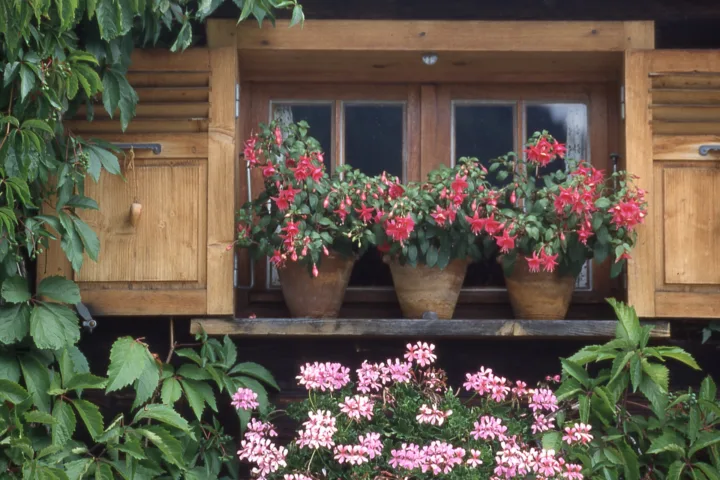
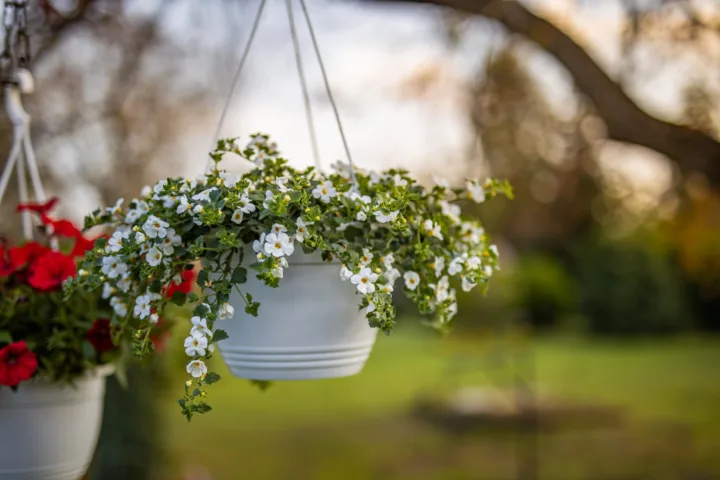
Flowers add color without demanding much. Petunias, geraniums, and trailing lobelia handle wind better than I expected. Succulents work if your balcony stays dry between waterings. I keep a few on the side that gets less rain.
Here’s the short list that has never failed me:
- Herbs: basil, mint, rosemary, thyme
- Vegetables: cherry tomatoes, bush beans, peppers, lettuce
- Flowers: petunias, geraniums, calibrachoa
- Extras: strawberries in hanging baskets, a single dwarf citrus if winters stay mild
I rotate a few new things each year just to keep it interesting. Last season I added a compact eggplant. It gave me six glossy fruits and looked surprisingly ornamental.
Pinch basil just above a leaf pair, encouraging branching instead of letting one tall stem flower early.
Containers and Soil That Don’t Fight You
Cheap pots crack. Heavy pots stress the balcony. I learned both lessons the expensive way.
Fabric grow bags breathe and stay lighter. Resin pots hold up to sun without fading as fast as plastic. I avoid pure terra cotta now unless the pot is small. Drainage holes are non-negotiable. I drill extra ones if the pot only has one sad hole in the center.
Soil makes or breaks everything. Regular garden dirt turns to concrete in a pot. I use a quality potting mix and add a handful of perlite for drainage. Some years I mix in a bit of compost. The plants respond with stronger growth and fewer yellow leaves.
I group pots by water needs. Thirsty tomatoes and basil sit together. Drought-tolerant herbs and succulents live on the other side. This simple habit cut my watering time in half and stopped me from overwatering the dry-loving plants.
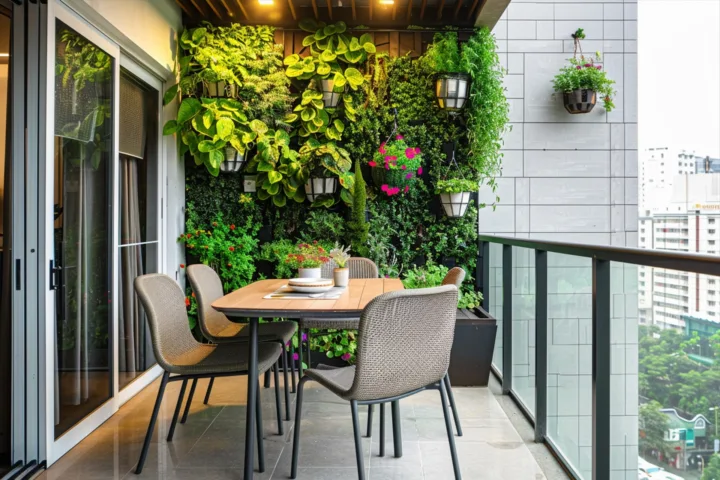
Vertical space is pure gold on a small balcony. I hang pots from the railing with sturdy brackets. A simple trellis against the wall lets beans and peas climb. One year I hung a gutter planter for strawberries. It looked a little homemade but produced fruit right at eye level. Honestly? That setup still makes me smile every spring.
Fabric grow bags usually dry faster than resin pots, so place them with thirstier plants or check them separately.
Watering Without Turning Your Balcony Into a Swamp
Containers dry out faster than in-ground beds. Wind and heat accelerate the process. I check soil with my finger every morning during hot spells. If the top inch feels dry I water.
Deep watering beats frequent light sprinkles. I soak until water runs out the bottom, then let the pot drain fully. Saucers catch the excess so nothing rains on the neighbor below. In extreme heat I water twice a day for the biggest pots.
I tried self-watering containers one summer. They helped during a week-long trip but the soil stayed too wet for my tomatoes. Now I use them only for herbs that prefer consistent moisture. Regular pots with good drainage remain my default.
Rain helps but never count on it. A sudden downpour can flood pots if drainage is poor. I tilt larger containers slightly after heavy rain so standing water doesn’t sit around the roots.
Empty balcony saucers after drainage finishes, since stagnant water can encourage mosquitoes and keep roots wetter than intended.
Dealing With Pests and the Occasional Disaster
Aphids found my balcony the second year. I blasted them off with a strong spray of water from the hose. For stubborn cases I mixed a mild soap solution and wiped leaves by hand. Ladybugs showed up on their own once the aphids appeared. Nature handled the rest.
Wind remains the bigger threat. I lost an entire tomato plant when a summer storm knocked the cage over. Now I stake everything early and secure taller pots to the railing with soft ties. Better to look a little over-prepared than to watch your best plant sail into the parking lot.
Birds occasionally steal strawberries. I cover the ripening fruit with netting for a week or two. The extra effort is worth the harvest.
Making the Space Feel Like a Real Garden
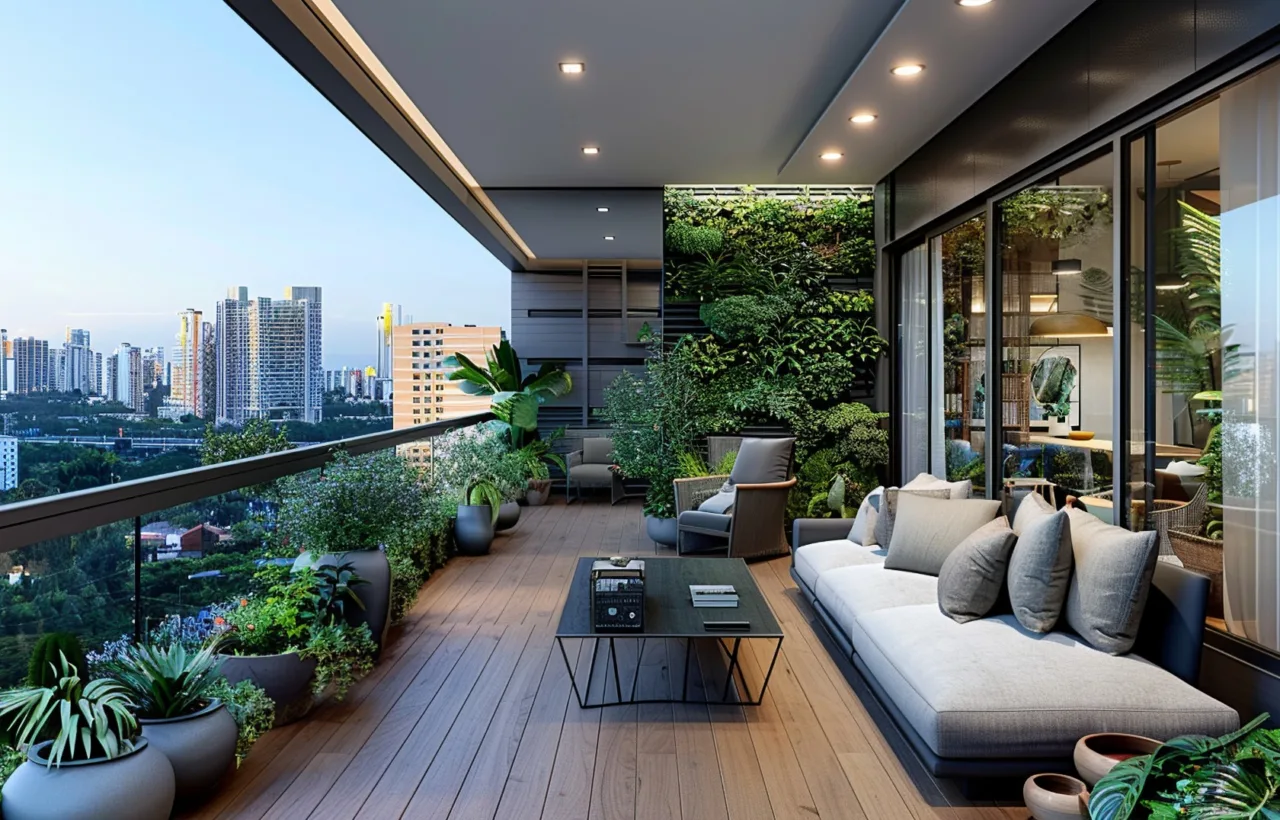
Function comes first but looks matter too. I arrange pots at different heights so the eye moves around the space. A small folding table holds a couple of herbs and gives me a place to sit with coffee. String lights turn the balcony into a pleasant evening spot once the plants are established.
I keep one empty corner for a chair. The garden should invite you outside, not block every square inch. That balance took me two seasons to figure out. Early on I packed too many pots and could barely walk. Now the layout feels intentional.
Color repetition helps. I stick to a loose palette of greens, soft pinks, and whites so the space doesn’t look chaotic. A few bold foliage plants break up the flowers and keep interest going even when blooms fade.
Seasonal Rhythm and What I Do Each Year
Spring is for planting and excitement. I start seeds indoors for tomatoes and peppers, then move transplants out once nights stay above fifty degrees. Summer is maintenance and harvest. Fall means cutting back and deciding which pots to overwinter indoors. Winter is planning mode. I sketch rough layouts and order seeds while the balcony sits empty.
I keep a simple notebook. Dates of first harvest, which varieties performed best, and notes on wind damage all help the next year go smoother. The notes are messy. They work.
One year I tried too many new plants at once. Half of them underperformed. Now I introduce only two or three experiments each season and stick with proven winners for the rest of the space. Progress feels steadier that way.
Common Mistakes I Made So You Don’t Have To
I overplanted the first season. Every empty spot got a pot. The result looked busy and stressed both the plants and me. Start smaller than you think you need. Add more only after you understand the light and your own watering habits.
I ignored microclimates. The corner near the wall stays hotter and drier. The open side gets more wind. Matching plants to those differences improved survival rates dramatically.
I bought cheap soil once. The bags were on sale. The plants suffered all summer. Quality potting mix costs more up front and saves frustration later.
I waited too long to stake tomatoes. By the time I acted the plants had already flopped. Stake early. Your future self will thank you.
Use a small thermometer to compare the hot wall corner with the windy edge, then assign plants by measured conditions.
Frequently Asked Questions
How much does a basic balcony garden cost to start? I spent under $100 my first year by using fabric bags, a few resin pots, and starter plants from the grocery store. You can scale up later once you know what works.
Can I grow a balcony garden if my patio only gets partial sun? Yes. Focus on leafy greens, mint, parsley, and shade-tolerant flowers. Full-sun vegetables will struggle, so skip those or choose the shadiest-tolerant varieties.
What if my building has strict rules about balcony gardens? Read the rules carefully and work within them. Lightweight containers, no overhanging pots, and trays that catch every drop of water usually keep management happy.
How often should I fertilize container plants? I feed every two to three weeks during active growth with a diluted liquid fertilizer. Containers lose nutrients faster than garden beds so regular light feeding keeps plants productive.
Is a balcony garden worth the effort for just a few herbs? For me the answer is yes. Fresh basil tastes better than anything from the store and the daily ritual of watering and checking plants improves my mood more than I expected.
I still get surprised by how much food and color fit on that small patio. The first ripe tomato each year feels like a quiet victory. Start with three pots if that feels manageable. Watch what thrives. Add more only when the rhythm makes sense. Your balcony garden will teach you as much as you teach it. Grab a pot this weekend and see what happens.