
I started growing onions in containers after my tiny backyard turned into a muddy mess one spring. Space was limited. Soil was questionable. Yet I still wanted fresh onions for cooking. Learning how to grow onions in a container changed everything for me. I now pull decent bulbs and endless green tops right off my balcony, and the process is simpler than most people think.
Honestly? My first attempt was a flop. I used a shallow pot and let the soil dry out. The plants bolted and the bulbs stayed tiny. That failure taught me the exact steps that work. I share them here so you skip the wasted seasons.
Why Containers Work So Well for Onions
Onions do not need a full garden bed. They adapt to pots if you give them the right depth and drainage. I grow mine on a sunny railing and get enough for weekly meals through summer. The key is matching the container to the variety and staying consistent with water.
See, people often assume onions demand deep ground soil. That is not true for container growing. Shallow-rooted types thrive in 10 inches of good mix. Larger bulbs need a bit more room but still fit on a patio.
Choosing the Right Container for Onions
Depth matters most. I aim for containers at least 10 inches deep. Wider is better than taller once you clear that minimum. A 5-gallon bucket holds six to eight plants comfortably if you drill drainage holes in the bottom.
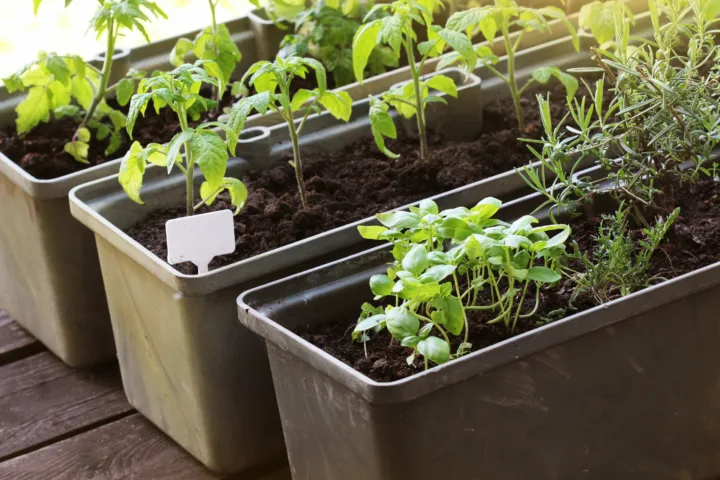
Fabric grow bags are my favorite. They breathe, prevent waterlogging, and fold flat when empty. Plastic pots work too as long as they have multiple holes. Avoid anything without drainage. Onions rot fast in soggy conditions.
I once tried a decorative ceramic planter with one tiny hole. Disaster. The bulbs turned mushy within weeks. Now I check every pot for proper drainage before filling it.
For spacing, give each plant 3 to 4 inches of room. Crowding gives you skinny greens and small bulbs. A long trough planter lets me grow a whole row without taking up floor space.
Raise containers slightly on pot feet or blocks so patio surfaces cannot seal drainage holes after heavy watering.
Best Onion Varieties for Containers
Not every onion performs the same in a pot. I stick to types that handle limited soil volume.
Bunching or green onions are easiest. Varieties like Evergreen Bunching or White Lisbon need only 6 to 8 inches of depth and keep producing stalks you can snip all season. They never form big bulbs, which makes them perfect for tight spaces.
For actual bulbs, choose smaller types. Paris Silverskin, Pearl Onions, and Crystal White Wax stay compact. They still deliver usable onions without demanding a huge container.
Day length decides success with bulb onions. Short-day types suit southern zones. Long-day ones need northern latitudes. Intermediate or day-neutral varieties work almost anywhere. I grow intermediate types on my mid-latitude patio and get reliable results.
IMO, starting with sets beats seeds for beginners. Sets are small dormant bulbs that grow faster and more predictably. Seeds take longer and need more attention early on.
A large-bulb variety cannot be rescued with extra depth alone; container volume and day length still limit its final size.
Soil Mix That Actually Works
Garden dirt fails in containers. It packs down and blocks air. I mix my own every time.
My go-to blend:
- Two parts quality potting mix
- One part compost or worm castings
- One part perlite or coarse sand for drainage
This stays light and drains well while holding enough moisture. The pH should sit between 6.0 and 7.0. Onions hate acidic soil. A little lime fixes that if needed.
Fill the container so the soil sits about an inch below the rim. That space keeps water from spilling when you irrigate. I pack it gently but never compact it hard.
How to Plant Onions in a Container
Timing depends on your climate. Plant sets a few weeks before the last frost in spring. You can also plant in late summer for a fall crop in milder areas.
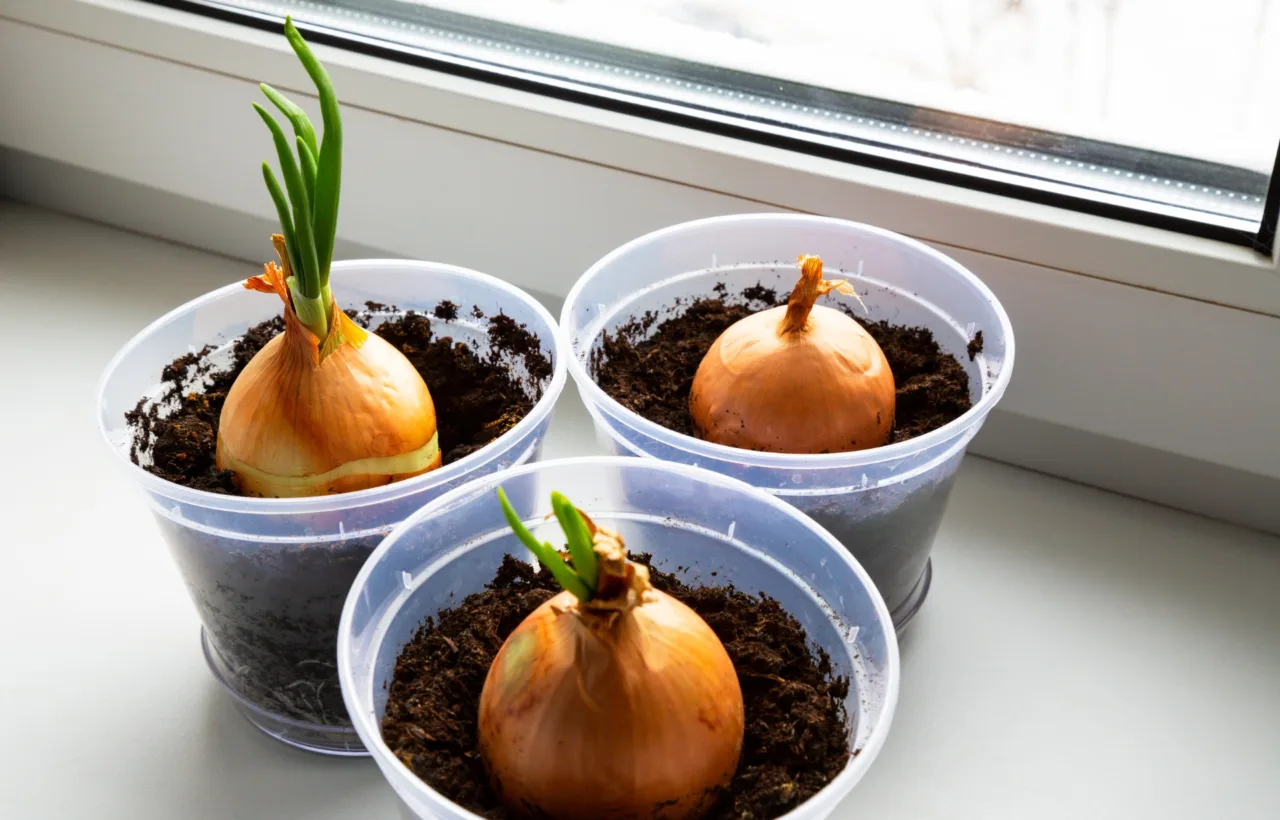
For sets, poke a hole 1 to 2 inches deep. Place the set with the pointed tip up. Cover so just the tip shows above the soil. Space them 3 to 4 inches apart. Water thoroughly until excess drains out the bottom.
Seeds need more patience. Start them indoors 8 to 10 weeks before the last frost. Sow a quarter-inch deep. Keep the mix moist and warm. Transplant seedlings when they reach 4 to 6 inches tall. Handle the roots carefully.
I plant sets in early spring now. The process takes under an hour for a full container. Within days the green shoots appear. That first sprout still makes me grin.
Watering and Feeding Your Container Onions
Containers dry out faster than garden beds. Check the top inch of soil daily. Water when it feels dry. Aim for consistent moisture without sogginess. Onions need about 1 inch of water per week. More during hot spells when bulbs start swelling.
I water deeply so the moisture reaches the roots. Shallow sprinkles encourage weak surface roots. Morning watering reduces evaporation and disease risk.
Fertilizer is simple. Onions like nitrogen early for leaf growth. I mix a balanced organic fertilizer into the soil at planting. Then I feed every three weeks with a diluted liquid fertilizer until the bulbs begin to form. After that I ease off. Too much nitrogen late produces big tops and tiny bulbs.
See, overfeeding was one of my early mistakes. The plants looked lush but the harvest disappointed. Balanced feeding fixed that.
During hot bulb swelling, check moisture before relying on the one-inch weekly target, because exposed containers can dry unevenly.
Sunlight and Placement Tips
Onions want full sun. Give them 6 to 8 hours of direct light each day. I place my containers on the brightest corner of the balcony. They handle wind better than tender plants, but a sheltered spot still helps.
If afternoon sun scorches the leaves in midsummer, I shift the pots slightly for partial shade during the hottest hours. Most of the day they stay in full light.
Rotate the containers every week or two so every side gets equal exposure. Uneven growth shows up fast in pots.
Common Problems and How I Fix Them
Bolting happens when the plant sends up a flower stalk too early. Stress from dry soil or temperature swings often triggers it. Once a plant bolts, the bulb stops growing well. I pull those for green use and focus on the rest.
Rot is the other big threat. Poor drainage or overwatering causes it. If leaves yellow and the base feels soft, I remove the plant immediately to protect neighbors.
Pests like thrips or onion maggots show up sometimes. I inspect the leaves regularly. A strong spray of water or insecticidal soap handles mild cases. Row covers work if insects become persistent.
Weeds compete for nutrients even in pots. I pull them by hand as soon as they appear. A thin layer of mulch keeps the soil cooler and reduces weed seeds.
Bag soft, rotting plants instead of composting them, reducing the chance of carrying onion disease into future containers.
Harvesting and Curing Container Onions
Green onions are ready whenever the tops look usable. I snip what I need and leave the rest to keep growing.
Bulb onions signal readiness when the tops yellow and flop over. Stop watering at that point. Leave them in the container a few more days so the necks dry.
Pull the bulbs on a dry day. Brush off loose soil but do not wash them. Lay them in a single layer in a warm, airy spot out of direct sun for one to two weeks. Proper curing toughens the outer skins for longer storage.
I once rushed the curing and lost half the harvest to mold. Now I give them the full time. The payoff is onions that keep for months in a cool, dry place.
Store fully cured onions in a breathable mesh bag, never sealed plastic, to prevent trapped moisture and mold.
Frequently Asked Questions
Can I grow onions in a container year-round? In mild climates yes. Elsewhere I grow them as a cool-season crop in spring and again in fall. Extreme heat or hard freezes stop production.
How many onions can I plant in one pot? A standard 5-gallon container holds six to eight bulb onions with proper spacing. For green onions you can pack them tighter and harvest continuously.
Do I need special fertilizer for how to grow onions in a container? No. A balanced organic fertilizer works fine. Focus on nitrogen early and cut back once bulbs form. Excess late feeding hurts more than it helps.
What if my container onions stay small? Check spacing, sunlight, and consistent water. Crowding or dry spells limit bulb size more than anything else. Switch to a wider pot next time if needed.
Can I reuse the same soil next season? I refresh it. Remove old roots, mix in fresh compost, and add a bit of new potting mix. Reusing without amending invites disease and nutrient shortage.
Growing onions in containers rewards patience and attention to the basics. Depth, drainage, consistent moisture, and the right variety deliver the results. I still check my pots every morning out of habit. The sight of healthy green shoots never gets old.
Try one container this season. Start small with sets of a compact variety. Adjust based on what you see. Before long you will pull your own onions for dinner and wonder why you waited so long.