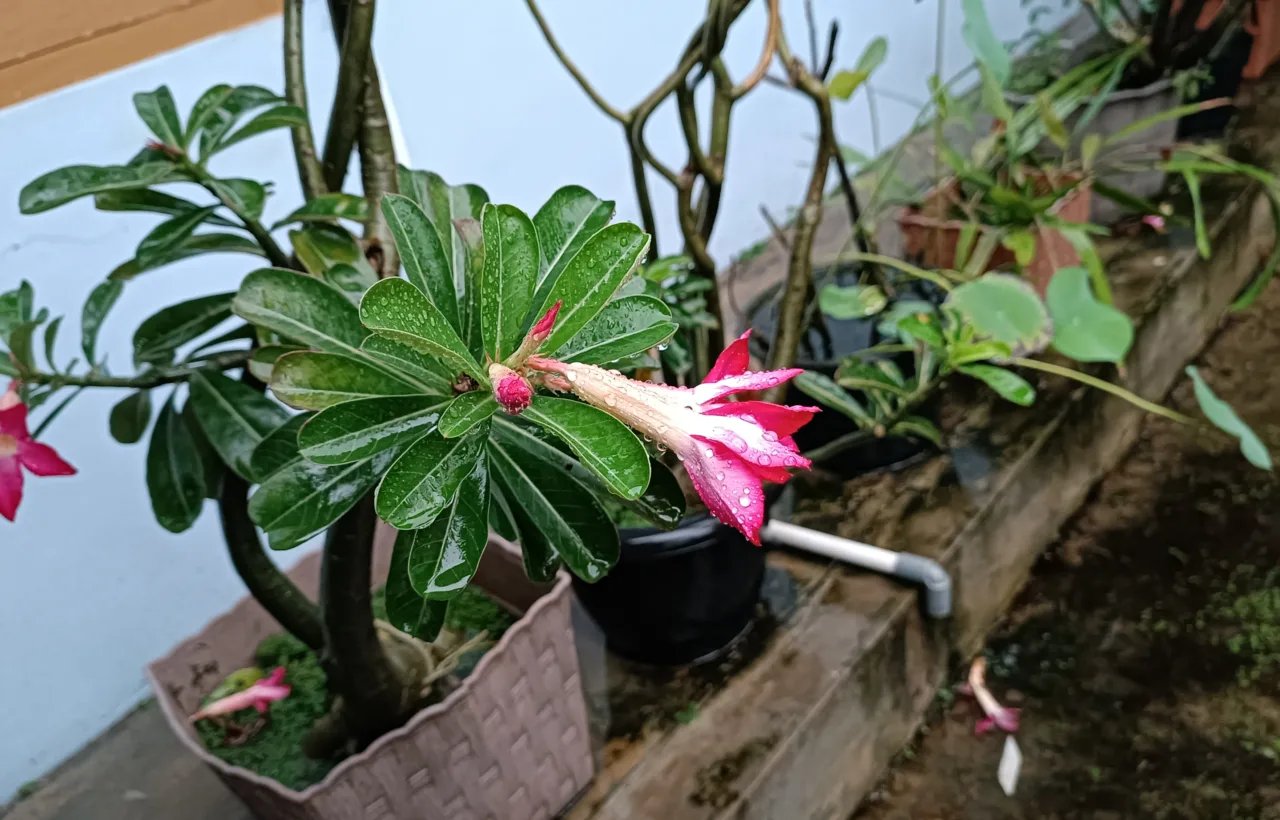

I spent years staring at a dull concrete patio and wishing it looked like something from a resort brochure. Then I built my tropical container garden and everything shifted. The bold leaves, the bright colors, the way the whole setup makes me pause every time I step outside. That is what I want for you too.
I live in a place that gets real winters. No permanent jungle for me. Containers fixed that problem. I can move things, mix plants freely, and still get that lush, vacation feeling from spring through fall. Honestly? I should have started years earlier.
Why Containers Work Better Than I Expected
In-ground beds never gave me the control I wanted. Soil stayed soggy or turned rock hard. Pests showed up and refused to leave. Containers changed the game. I pick the soil. I control the drainage. I rearrange whenever the mood hits.
See, tropical plants love heat and humidity, but they hate sitting in wet feet. A good pot solves that. I learned this the hard way after losing two banana plants to root rot in my first season. Now I treat every container like a tiny controlled environment. It works.
The best part is mobility. When a cold snap threatens, I just roll or carry the pots inside. No digging. No drama.
Choosing Plants for a Real Tropical Container Garden
I used to grab whatever looked pretty at the nursery. Big mistake. Now I stick to plants that actually thrive in pots and deliver that tropical punch.
Before buying, check each plant’s mature container size and whether its winter storage needs fit your available space.
The thriller plants that steal the show
These are the tall ones that give height and drama. I always start here.
- Dwarf banana or Ensete: Big paddle leaves that scream tropics. I keep mine in a 15-gallon pot and it reaches six feet by August.
- Canna: Bold foliage plus bright flowers. Tropicanna is my favorite for the striped leaves.
- Cordyline or ti plant: Spiky and colorful. Purple or red forms add contrast without taking over.
- Elephant ear (Colocasia or Alocasia): Nothing beats those giant leaves. Maui Gold lights up a shady corner for me every year.
I plant one thriller per large pot. More than that and everything looks crowded.
Fillers that bulk up the middle
These plants fill space and add texture. I use them around the base of the thriller.
- Coleus in bright chartreuse or deep burgundy
- Caladium for those painted leaves
- Hibiscus for nonstop color in full sun
- Persian shield when I want a metallic shimmer
I mix three or four fillers max. Too many colors fight each other.
Spillers that soften the edges
These trail over the rim and make the pot look finished.
- Sweet potato vine in lime or black
- Tradescantia or inch plant
- Dichondra Silver Falls
- Creeping Jenny if I want chartreuse spill
I tuck them near the edge so they cascade right away.
FYI, I always buy plants that are already a decent size. Tiny starters take forever to fill out in a big container.
How I Design Each Pot
I follow a simple rule I picked up years ago and never abandoned. Thriller in the center or back. Fillers around it. Spillers at the edge. That is it.
For a pot viewed from all sides I center the tall plant. Against a wall I push it to the back. I leave a little breathing room between plants so air can move. Crowded pots invite disease.
Color is personal. I lean toward deep greens, burgundies, and one bright accent. Too many hot colors make the pot look busy instead of lush. Texture matters more than I first realized. Pair a big smooth leaf with something fine and spiky. The contrast sells the tropical look.
I group pots in threes or fives at different heights. One tall, two medium, a couple of smaller ones. It creates depth without needing a huge space.
Repeat one accent plant or foliage color across several pots to make separate containers feel like one vacation-inspired display.
Pots, Soil, and the Stuff Nobody Talks About Enough
Size matters. A lot. I used to buy cute little pots and wonder why everything stayed stunted. Now I go big. Fifteen to twenty gallons for bananas and cannas. Ten to twelve for most fillers.
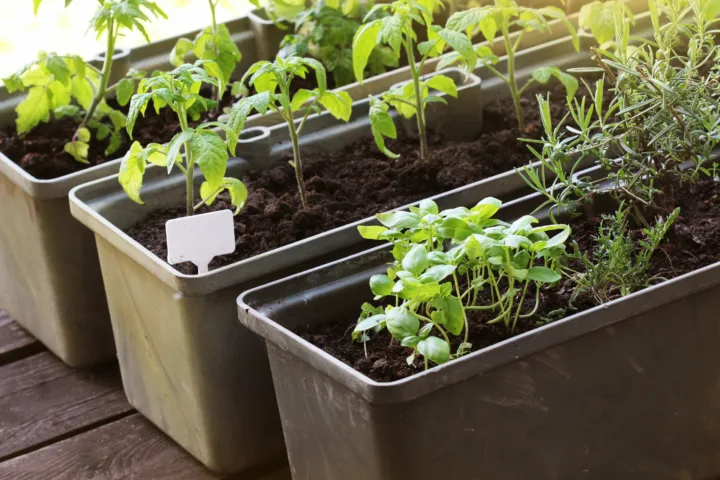
Drainage holes are non-negotiable. I drill extra if needed. Then I elevate the pot on feet or bricks so water can escape freely.
Soil is simple. I mix a high-quality potting blend with about twenty percent compost and a handful of perlite. Lightweight is key. Heavy garden soil turns to concrete in a pot and kills roots.
I add a slow-release fertilizer at planting time. Then I liquid-feed every two weeks during peak growth. Tropical plants are hungry. Starving them shows fast in pale leaves and weak stems.
In hot, sunny locations, dark pots can overheat tropical roots, so use light-colored containers or provide afternoon shade.
Watering and Daily Care From Real Experience
These plants drink. In full summer heat I water most of my tropical containers every day. Sometimes twice if the wind is up. I check with my finger. If the top inch feels dry, I water until it runs out the bottom.
Morning is best. Evening watering can leave foliage wet overnight and invite fungus. I learned that after a bad case of leaf spot one August.
Sun needs vary. Most of my thrillers want full sun or bright light. Caladiums and some coleus prefer part shade. I move pots around the first week until I find the sweet spot. Scorched leaves tell the truth faster than any plant tag.
Pests show up sometimes. Aphids love new growth. I blast them off with a hose or use insecticidal soap. Mealybugs hide in leaf joints. I catch them early and wipe them away. Healthy plants fight back better, so I keep the feeding and watering consistent.
Monthly, flush containers deeply with plain water to wash away fertilizer salts that can brown leaf edges and weaken roots.
Getting Through Winter Without Losing Everything
I live where winters drop below freezing. Most of my tropicals cannot stay outside. Here is what I do.
I cut bananas and cannas back hard and store the rhizomes in a cool dark place in barely damp peat. Elephant ears get the same treatment. Cordylines and some hibiscus come inside as houseplants. I cut them back by half so they fit under lights.
The ones that stay outside in mild winters get heavy mulch and a sheltered spot. I lost a few the first year by being optimistic. Now I move anything borderline.
In spring I wait until nights stay above fifty degrees before I put everything back out. Hardening off takes a week of gradual exposure. Skipping that step burned me once. Never again.
Check stored rhizomes monthly, removing soft sections promptly because excess moisture can cause rot during winter dormancy.
Small Space Tricks That Made a Big Difference
My patio is not huge. I still pack in plenty of tropical energy. Vertical space helps. I hang a few baskets with trailing plants and put a tall banana against the railing. Grouping pots tight creates a denser look without needing more square footage.
I also use one statement pot as the anchor and keep the rest simpler. That stops the whole area from feeling cluttered.
IMO, less is more once you have the height and the bold leaves. One great combination beats five mediocre ones every time.
Frequently Asked Questions
Can I grow a tropical container garden if I live in a cold climate? Yes. I do it every year. Most of these plants are treated as annuals or overwintered indoors. The containers make that easy.
How often should I fertilize my tropical container garden? I use slow-release at planting and then a liquid feed every two weeks while plants are actively growing. They are heavy feeders and show it if you skip.
What size pot do I need for a banana plant? At least fifteen gallons. Anything smaller stunts the growth and makes the plant top-heavy and unstable.
Do tropical plants in containers need special soil? Regular garden soil is too heavy. I stick to a light potting mix with added compost and perlite for drainage. That keeps roots happy.
How do I keep my tropical container garden looking full all summer? Consistent water, regular feeding, and a little pinching of leggy growth. I also replace any plant that starts to fade instead of waiting for the whole pot to decline.
Final Thoughts
I still walk out to my patio some mornings and stop for a second. The big leaves catch the light. The colors pop against the railing. It feels like a small vacation I built myself.
You do not need a greenhouse or perfect weather. You need a few big pots, the right plants, and the willingness to water them like they matter. Start with one solid combination this season. Add more next year. That is how I did it, and the results still make me grin every single time I step outside.