
I used to yank every plant out of my containers the second the leaves dropped. Honestly? That felt like surrender. Now I treat winter container gardening as its own season, and my patio stays interesting right through the freeze.
I learned the hard way that empty pots look sad and cracked terracotta costs money. The shift happened after one especially brutal winter left me with three broken pots and a bare balcony. I decided to stop treating cold weather like the end of the story.
Why I Keep Going with Winter Containers
Most people assume containers die the moment frost hits. I used to think that too. See, the roots sit higher and colder than plants in the ground. That changes everything about what survives.
I started small. One large pot by the front door. Just enough to test the idea without betting the whole collection. The first success surprised me. A simple mix of heuchera and a dwarf evergreen held color for months. Neighbors asked about it. That felt good.
Winter containers give me something to tend when the rest of the garden sleeps. I check them on mild days. I move them when the wind howls. The routine keeps me connected instead of waiting for spring like a kid watching the calendar.
Larger pots work better. I aim for at least 14 inches across. Bigger soil mass stays more stable. Roots avoid the worst temperature swings. Smaller pots freeze solid too fast. I learned that after losing a pretty but tiny ceramic one to a sudden cold snap.
Choosing Containers That Survive the Cold
Not every pot belongs outside in winter. I stopped buying pretty terracotta that cracks. The freeze-thaw cycle expands the water in the clay and splits it. Expensive lesson.
I stick to materials that handle the stress:
- Fiberglass and resin: Lightweight, frost-proof, and they hold heat better than clay.
- Heavy plastic: Cheap and tough. I look for thick walls.
- Wood and metal: These last if I keep them drained.
- High-fired ceramic only if the label says frost-proof, not just frost-resistant.
I raise every pot on feet or bricks. Ground contact pulls cold straight into the root zone. Airflow underneath also helps drainage. Water that sits and freezes cracks pots faster than anything else.
In the worst cold I wrap the outside with bubble wrap or burlap. It looks temporary, but it works. I secure it with twine so the wind does not peel it off. One winter I skipped the wrap on a favorite pot. The plant lived. The pot did not.
Keep bubble wrap around the pot exterior, never over drainage holes or across the soil surface.
The Plants That Actually Carry Me Through Winter
I stopped buying whatever looked pretty at the garden center in October. Hardiness matters more than blooms that fade after the first hard frost. I now choose plants rated at least two zones colder than my own. Container roots face harsher conditions than in-ground ones.
Evergreen Backbone Plants
These form the structure. Without them the pot looks empty once flowers slow down.
- Dwarf conifers like spruce or juniper give height and year-round green.
- Boxwood stays neat and dark.
- Skimmia holds glossy leaves and red buds that open later.
- Heuchera (coral bells) brings purple, silver, or lime foliage that holds through mild freezes.
I plant one strong evergreen as the thriller in the center or back. Everything else supports it.
Color and Texture Fillers
Pansies and violas still flower in mild spells. I deadhead them when I can. Cyclamen offers pink or white blooms that shrug off light frost if I keep the crown dry. Ornamental kale and cabbage add bold leaves that improve after a chill. Winter heather brings soft texture and occasional bees on warm days.
Ferns and ivy trail over the edges. They soften the hard lines of the pot. I like soft shield fern for shade spots.
A Few Surprising Additions
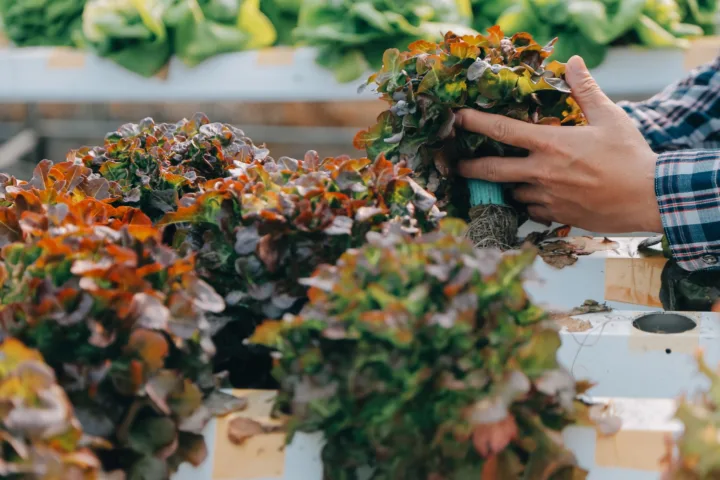
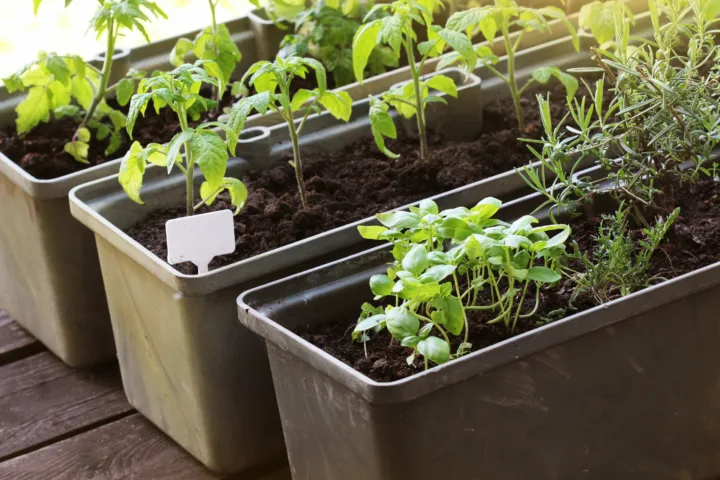
I tried rosemary and thyme in one pot. They stayed usable for cooking and looked decent. Kale and Swiss chard gave me actual harvests in mild winters. The leaves taste sweeter after frost. I pick them sparingly so the plant keeps producing.
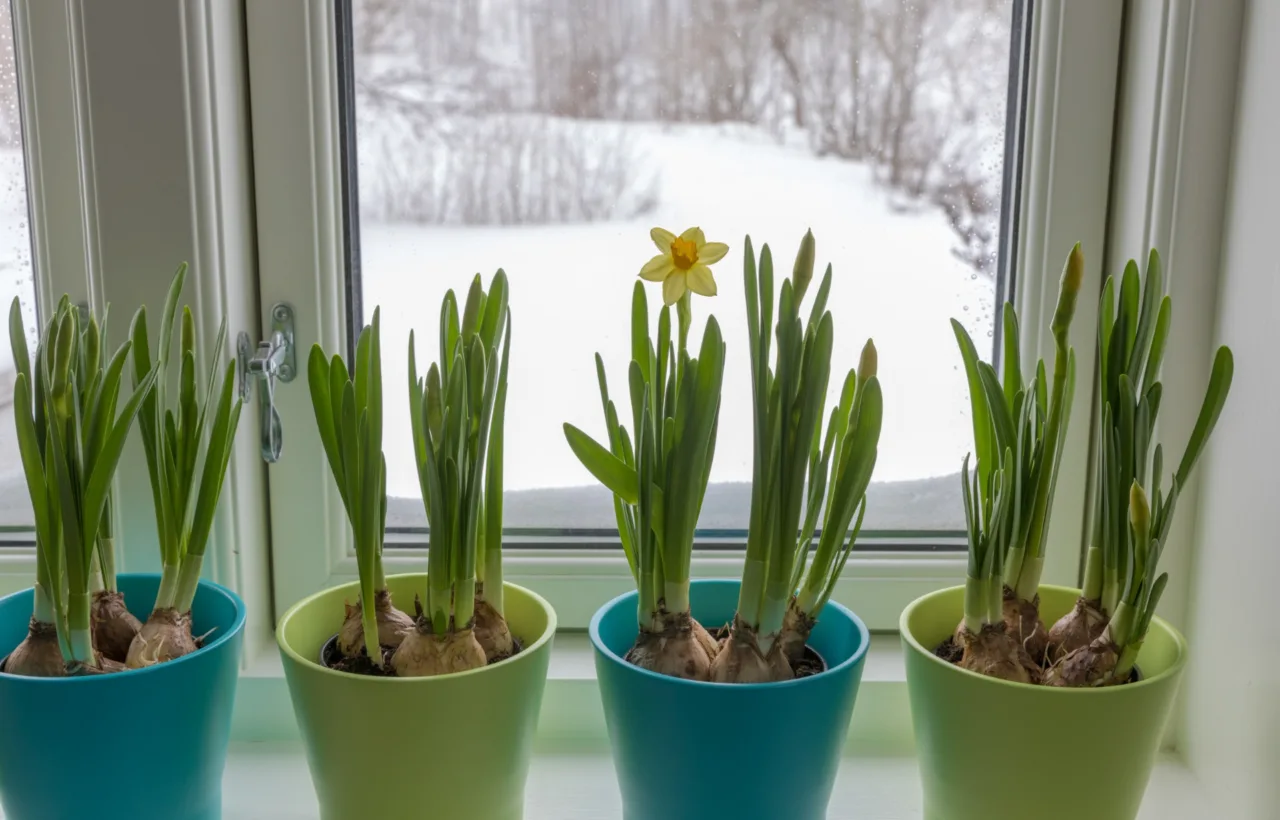
Bulbs go in at planting time. Dwarf daffodils or snowdrops push up later and extend the show into early spring without extra work.
How I Plant a Winter Container Step by Step
I clear out the summer plants first. I knock off most of the old soil and check the roots. If anything looks diseased I start fresh.
Drainage comes first. I put broken pottery or gravel in the bottom. Then I fill with a light potting mix. Heavy garden soil holds too much water and freezes into a solid block. I leave a couple of inches at the top for watering.
I place the tallest plant first. Then I fill around it with medium plants. Trailers go near the edge so they spill. I pack them tighter than I would in summer. Winter growth is slow. The pot needs to look full from day one.
After planting I water thoroughly. Then I mulch the surface with bark or straw. That extra layer buffers temperature swings and slows moisture loss.
I position the finished pot where it gets the most winter light. South-facing walls help. Wind protection matters more than I expected. A sheltered corner near the house cuts the drying effect of cold air.
Care Through the Cold Months
Watering changes completely. I check the soil weekly. If the top inch feels dry I water in the morning on a mild day. Evening water risks freezing overnight. Overwatering kills more plants than cold in my experience. Roots sit in cold wet soil and rot.
I never fertilize in winter. Growth is almost stopped. Extra nutrients do nothing useful.
When a hard freeze is forecast I move lighter pots against the house wall or into an unheated garage for a night or two. Grouping pots together creates a slightly warmer microclimate. Shared heat helps.
Snow can actually insulate. I leave a light cover if it falls. Heavy wet snow I brush off so branches do not snap.
Mistakes I Made and What I Do Differently Now
I once left a beautiful ceramic pot full of water. It cracked in half by January. Now every pot drains freely and sits elevated.
I planted too many tender annuals the first year. They looked great in November and dead by December. Hardiness zones for containers are stricter. I respect that now.
Underestimating wind was another error. Cold air pulls moisture from leaves faster than roots can replace it. Evergreens especially suffer. I site pots carefully and wrap when needed.
I used to empty every pot and store them. That meant starting from zero each spring. Keeping a few winter containers means I already have structure when the weather turns. Some of those plants move into the ground later. Others stay in pots for years.
Record each failure’s pot material, exposure, and freeze timing before replacing it, so the next winter fix targets the actual cause.
Frequently Asked Questions
Do I need special soil for winter container gardening? I use a quality potting mix with good drainage. Adding a bit of grit or perlite helps water move through. Heavy soil freezes hard and stays wet too long.
Can I grow vegetables in winter containers? Yes. Kale, chard, and some lettuces handle cold well. I harvest outer leaves and leave the center growing. Flavor improves after frost in my experience.
How often should I water winter pots? I check weekly and water only when the top feels dry. In mild spells it can dry out under eaves. In hard freezes I leave them alone.
What is the easiest plant for a beginner winter container? A dwarf evergreen plus a few pansies. The evergreen holds the look. The pansies add color with almost no effort.
Should I bring pots indoors? Only the tender ones. Hardy plants prefer outdoor conditions and can get leggy or stressed in warm houses. An unheated garage works for borderline cases.
I still lose the occasional plant. That is part of gardening. The difference now is that I expect some losses and plan around them. My winter containers no longer look like afterthoughts. They look intentional.
Start with one pot this season. Choose a tough evergreen and a couple of hardy fillers. Raise it off the ground. Water with care. Watch what happens. You might find, like I did, that the cold months still hold room for something green and alive.