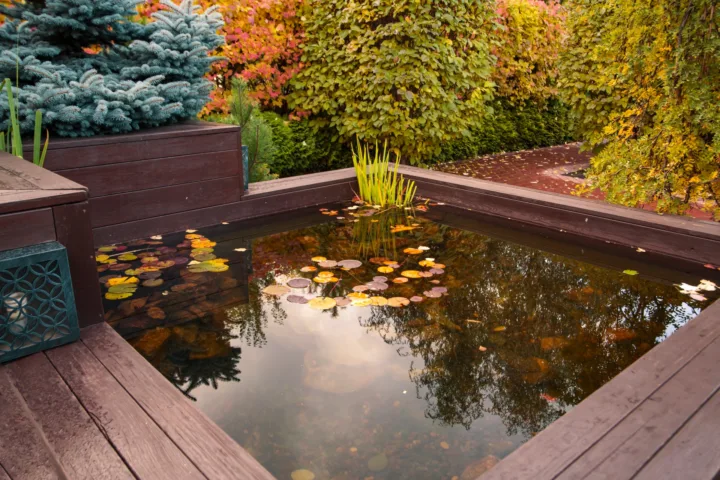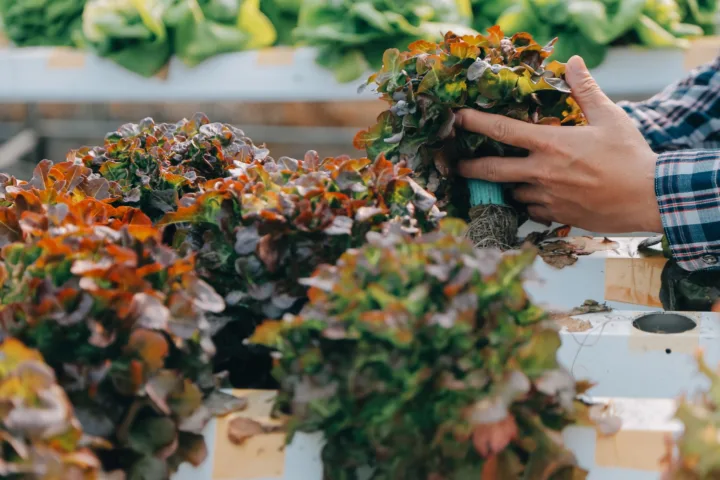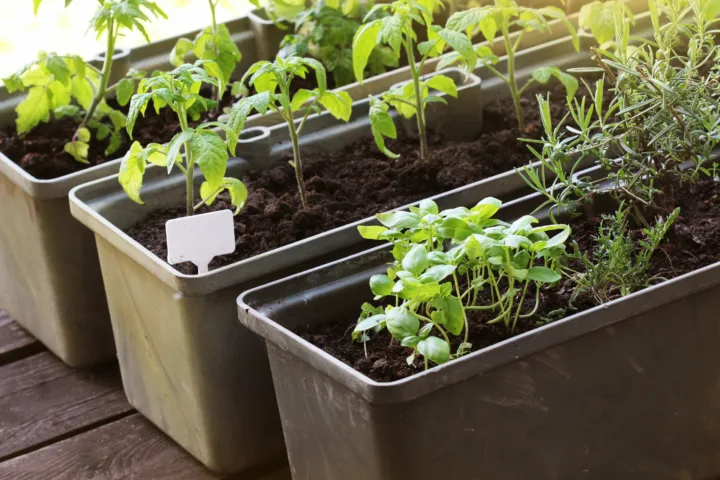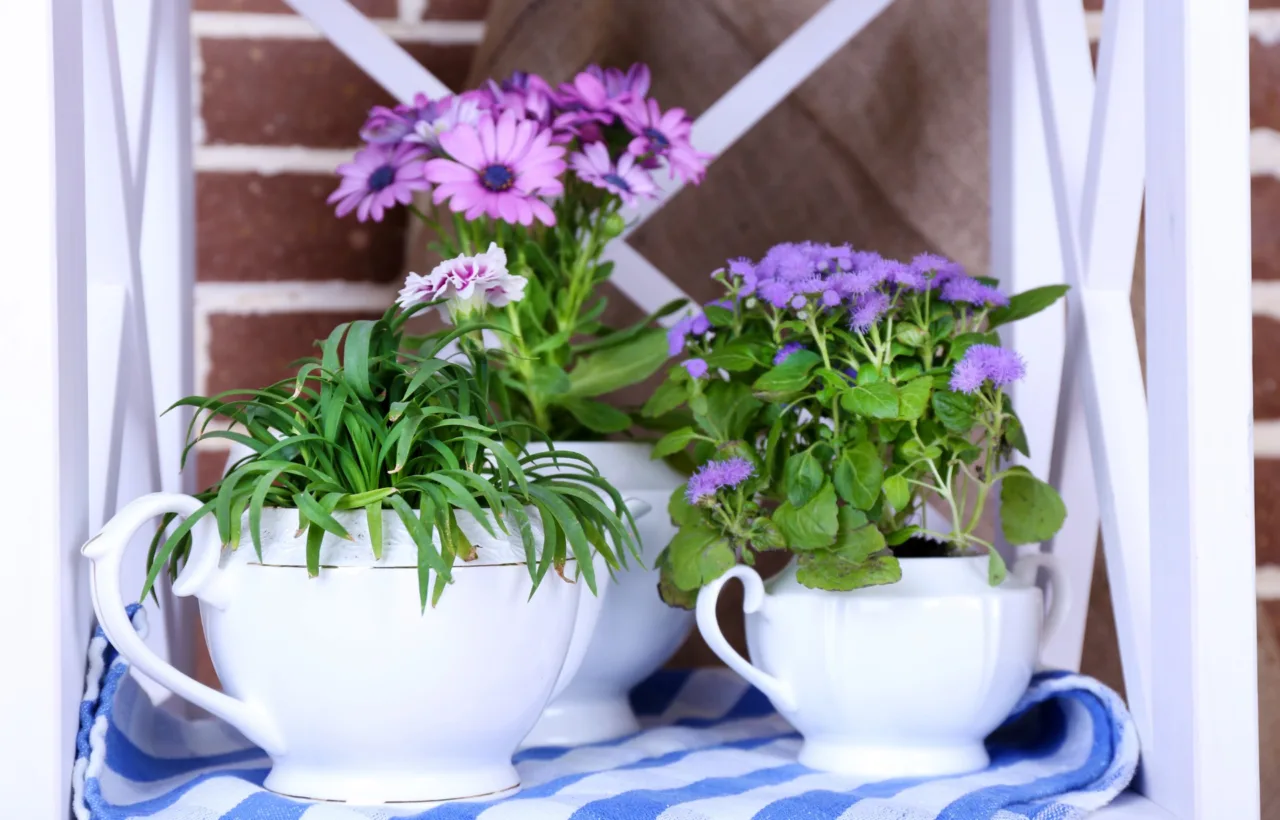

I started my balcony container garden three summers ago with two plastic pots and a packet of basil seeds I almost forgot to plant. My balcony measures six feet by eight feet. It faces west. Wind hits hard most afternoons. I had zero experience beyond keeping a couple of houseplants alive indoors. Yet that small space now produces herbs every week, cherry tomatoes that taste better than anything from the store, and enough flowers to make the whole place feel like a private retreat.
You want the same thing. Fresh food. Color. A reason to step outside even when the rest of the apartment feels cramped. I get it. This guide walks through every decision I made, the mistakes that nearly stopped me, and the simple systems that finally worked.
Why a Balcony Container Garden Makes Sense for Small Spaces
Space limits force better choices. I used to think gardening needed a backyard. That belief kept me stuck for years. Then I realized containers give complete control over soil, water, and placement. No digging. No permanent commitment. If a plant fails, I move the pot or replace it. Renters like me stay happy because nothing damages the structure.
Weight matters more than most people admit. Wet soil gets heavy fast. I learned this the hard way when I filled three large ceramic pots and watched the railing flex. Now I stick to lightweight options and check my building rules first. FYI, many apartments cap balcony loads around 150 to 250 kilograms per square meter. That number shapes every container decision I make.
Sun and wind decide the rest. My balcony gets about five hours of direct light in summer. Some plants thrived. Others wilted within days. I track the light for a full week before buying anything new. You should too. Note the hours. Note the hottest spots. Note where the wind funnels.
Balcony load ratings usually apply to evenly distributed weight, so spread wet containers across the floor instead of concentrating them at one railing point.
Choosing Containers That Survive Real Balcony Conditions
Bigger pots win. I started with tiny six-inch pots because they looked cute and cost less. They dried out by noon on hot days. Roots had nowhere to go. Plants stressed and quit. Now every main container holds at least five gallons. Tomatoes get seven to ten. Herbs sit happily in three-gallon pots. The extra soil holds moisture and buffers temperature swings.
Material choice changed everything for me. I tested several options over two seasons.
- Fabric grow bags stay my top pick for vegetables. They weigh almost nothing empty. Roots get excellent air pruning. Drainage never fails. I store them flat in winter. They dry faster than solid pots, so I check moisture more often.
- Plastic and fiberglass work for permanent displays. They resist cracking in cold weather and stay light enough to move. I avoid thin cheap plastic that fades and becomes brittle.
- Terracotta looks beautiful but proved too heavy and thirsty for my setup. It wicked water out of the soil too fast. I keep two small ones for succulents only.
- Railing planters free up floor space. I bolted two sturdy ones to the railing and grow trailing strawberries and thyme there. Secure them well. Wind loves to test weak brackets.
Drainage holes are non-negotiable. I drill extra ones if the pot arrives with too few. Standing water kills roots faster than drought in containers. I place every pot on feet or bricks so water can escape freely and air can circulate underneath.
Add a secondary safety tether to railing planters, because wind can turn a securely bolted box into a dangerous lever.
The Soil Mix That Actually Works in Containers
Garden soil belongs in the ground, not in pots. It compacts. It holds too much water. It often brings pests. I learned this after my first batch of tomatoes developed yellow leaves and stalled. Pure potting mix fixed most of the problem, but I improved it further.
My current blend looks like this:
- 40 percent quality peat-free potting mix
- 30 percent coco coir for moisture retention
- 20 percent perlite for drainage and air
- 10 percent worm castings for slow nutrients
I mix a big batch in a storage bin once at the start of the season. It takes twenty minutes and saves frustration later. I add a handful of slow-release organic fertilizer pellets at planting time. Then I top-dress lightly mid-season. This mix stays light even when wet. Roots stay healthy. Plants keep growing instead of sulking.
Picking Plants That Match My Balcony Reality
Sun dictates the list. Full-sun sections get the fruiting crops. Partial shade areas get leafy greens and most herbs. I stopped fighting the light and started matching plants to conditions. Success rates jumped.
Best Beginner Vegetables for a Balcony Container Garden
Cherry tomatoes top my list every year. Varieties labeled “patio,” “bush,” or “determinate” stay compact. I grow ‘Sungold’ and ‘Tiny Tim’ in ten-gallon fabric bags. One plant gives me handfuls of sweet fruit for weeks. Peppers follow close behind. Mini bell peppers and chili types produce well in five-gallon pots. Radishes and bush beans finish fast and rarely disappoint. Lettuce and spinach love the cooler edges of the balcony and keep producing if I harvest outer leaves regularly.
Herbs That Thrive Without Drama
Basil needs warmth and consistent water. I grow it in its own pot so I can move it if nights turn cool. Mint stays contained or it takes over everything. Chives, parsley, and thyme handle some neglect better than most plants. Rosemary prefers drier conditions and rewards me with fragrance every time I brush past it.
Flowers and Foliage for Color and Structure
I use the thriller-spiller-filler approach in mixed pots. A tall focal plant sits in the center or back. Mounding plants fill the middle. Trailing ones cascade over the edges. Petunias, calibrachoa, and sweet potato vine make reliable spillers. Heuchera and coleus add foliage interest in shadier spots. Marigolds and nasturtiums bring color and help with pests. I keep a few pots of pure flowers near the seating area simply because they make me smile when I step outside.
Layout and Vertical Tricks That Maximize Every Inch
Floor space disappears quickly. I treat the railing, walls, and even the ceiling as planting real estate. Two shelves attached to the wall hold smaller herb pots. A narrow trellis supports climbing beans and a star jasmine that scents the whole balcony in evening air. Hanging baskets swing from strong hooks and grow tumbling tomatoes or strawberries.
I group pots by water needs. Thirsty plants sit together so I can water them as a set. Drought-tolerant ones go in another cluster. This simple organization cuts watering time and reduces mistakes. Paths stay clear. I can still open the door fully and sit with a coffee without knocking anything over.
Wind protection matters on higher floors. I place taller plants against the wall side. A couple of bamboo screens clipped to the railing cut the strongest gusts without blocking too much light. Plants stop getting shredded and stay upright.
Install trellises and ceiling hooks before plants become heavy, then use soft adjustable ties to prevent stems rubbing against supports.
Watering, Feeding, and Daily Habits That Keep Everything Alive
Containers dry out faster than ground soil. In peak summer I water most pots every day, sometimes twice. Morning works best. Foliage dries before night and roots start the day hydrated. I use the finger test: push a finger an inch into the soil. Dry means water thoroughly until it runs out the bottom. Shallow sprinkles do more harm than good.
Self-watering planters help on busy weeks. I still check them, but the reservoir buys me a couple of extra days. A simple drip system on a timer remains my favorite upgrade. It cost under fifty dollars and removed the daily guilt of forgetting.
Feeding stays light but regular. Slow-release pellets at planting cover the first month. Then I use a diluted liquid feed every seven to ten days during active growth. Too much fertilizer burns roots in the confined space of a pot. I err on the side of less.
Pests show up eventually. Aphids love new growth. I blast them off with a strong spray of water first. If that fails, a mild soap spray usually finishes the job. I inspect plants while watering so problems stay small.
Test every drip emitter into a cup before relying on the timer, because one clogged nozzle can quietly kill a single container.
Common Mistakes I Made and How You Can Skip Them
I overcrowded pots the first year. Roots competed. Airflow dropped. Disease appeared. Now I follow spacing guidelines on seed packets or plant tags and leave room for growth. I also started too many different plants at once. Focus helps. Master three or four crops before expanding the collection.
Ignoring weight and drainage almost ended the project. One heavy terracotta pot sat in a saucer full of water for a week. Roots rotted. The plant died. I now lift every pot after watering to feel the weight difference between wet and dry. That habit alone prevents most losses.
Buying plants without checking light needs wasted money. A shade-loving fern fried on the sunny side. A tomato seedling stretched and collapsed in partial shade. Matching plant to spot beats hope every time.
Frequently Asked Questions
How much sun does a balcony container garden really need? Most fruiting vegetables want six or more hours of direct sun. Leafy greens and many herbs manage with four. Track your light for a week before you buy plants so you match them correctly.
Can I grow a useful amount of food in a small balcony container garden? Yes. One ten-gallon pot of cherry tomatoes and a few herb containers give me regular harvests all summer. Focus on high-value crops you actually eat instead of trying to grow everything.
What is the lightest practical container setup? Fabric grow bags filled with a coir-based mix stay surprisingly light even when wet. Pair them with plastic or fiberglass pots for permanent displays and you stay well under most building weight limits.
How often should I water in summer? Check daily. Hot, windy days often need water every twenty-four hours or more. Cooler weather stretches the interval. The finger test beats any fixed schedule.
Do I need special fertilizer for containers? Regular organic options work fine if you use them lightly and often. Slow-release pellets plus occasional liquid feed keep nutrients available without burning roots in the limited soil volume.
Final Thoughts and Next Steps
My balcony container garden started as a hopeful experiment with two pots and a lot of doubt. It grew into the most rewarding part of my apartment. The process stays simple once you respect the limits of containers, light, and weight. Start with one or two large pots, the right soil mix, and plants that match your actual conditions. Water consistently. Observe daily. Adjust without panic.
Honestly? The first harvest of tomatoes still feels like a quiet victory. You will feel the same. Grab a bag of potting mix this weekend. Fill one good container. Plant something you love to eat or look at. Then step outside tomorrow and check on it. That single habit turns a bare balcony into a living space worth using every day.