
I spent three full summers watching my container plants crisp up and die. Every pot looked promising in May. By July they looked like sad sticks. I blamed the heat. I blamed the pots. I blamed myself. Then I started treating container plants like the high-maintenance houseguests they actually are, and everything changed.
Here’s the truth I learned the hard way. Container plants live in a sealed world. Their roots cannot stretch for water or nutrients the way in-ground plants can. Once I accepted that, the rest got simple.
Choosing Containers That Do Not Sabotage Your Plants
I used to grab whatever pretty pot caught my eye. Big mistake. The container decides half the battle before you even plant anything.
Drainage is non-negotiable. Every single pot needs holes in the bottom. No exceptions. I once bought a gorgeous ceramic number with zero drainage and watched the roots rot within two weeks. Lesson burned into my brain.
Size matters more than style. A tiny pot for a tomato is a death sentence. I now follow this rule of thumb:
- Herbs and small annuals: at least 6 to 8 inches wide
- Most flowers and leafy greens: 10 to 12 inches
- Tomatoes, peppers, eggplants: 5 gallons minimum
- Anything woody or long-term: go bigger than you think
Material affects how often you water. Terracotta breathes and dries fast. Plastic holds moisture longer. I keep terracotta for my drought-tolerant plants and plastic for the thirsty ones. Self-watering pots saved my sanity during a brutal heat wave last year. They cut my watering trips in half.
Place the pot where it will live before you fill it. A large container full of wet soil is heavy. I learned that after nearly throwing out my back.
Picking Container Plants That Actually Belong in Pots
Not every plant wants to live in a confined space. I wasted money on big sprawling varieties that quickly outgrew their homes and sulked.
Look for the words dwarf, compact, patio, or bush on the tag. Those are your friends. Most annuals do fine. Many perennials labeled for containers work too.
I group my choices by what they need:
A compact plant can still become top-heavy, so choose a pot wide enough to keep tall patio varieties stable in wind.
Sun Lovers That Keep Performing
Zinnias, salvias, pelargoniums (the ones everyone still calls geraniums), and calibrachoa. These bloom hard even when the temperature climbs. My favorite combo last summer was a tall salvia as the centerpiece, surrounded by red vinca, with white scaevola tumbling over the edge. It looked full from June through September.
Shade Specialists
Hostas, coleus, begonias, and ferns. Coleus gives me color without flowers. I keep a few hostas on the north side of the house in large pots. They look architectural and ask for almost nothing.
Edibles That Pull Double Duty
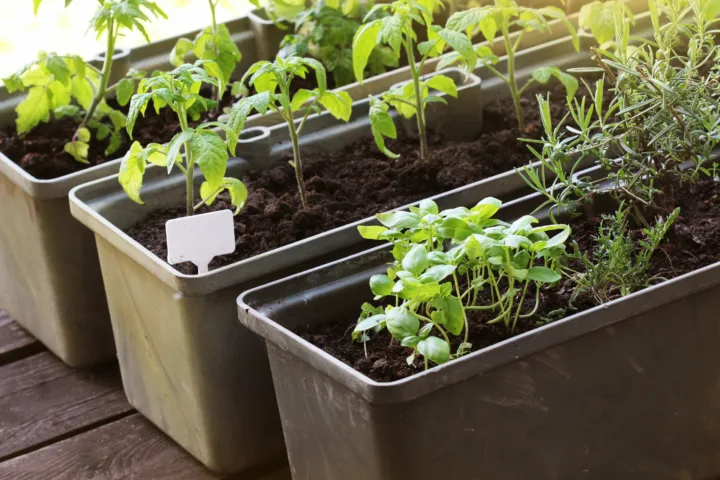
Peppers, bush tomatoes, Swiss chard, and most herbs. I grow cherry tomatoes in 7-gallon pots every year. They produce more fruit than I expect and the plants stay manageable. Leafy greens like lettuce and kale thrive in shallower containers as long as I keep them watered.
Match light needs carefully. A plant that wants full sun will stretch and sulk in shade. One that prefers shade will burn in afternoon sun. I check the tag twice before I buy.
The Soil Mix That Makes or Breaks Everything
Garden dirt belongs in the ground. Never put it in a pot. It compacts, holds too much water, and invites problems.
I use a quality potting mix made for containers. The good ones feel light and hold moisture without turning soggy. Some years I mix my own:
- 50 percent peat or coir
- 30 percent perlite or coarse sand
- 20 percent compost
That blend drains well and still feeds the plants. I add a slow-release fertilizer at planting time so I do not have to remember as often.
Leave an inch of space between the soil surface and the rim of the pot. That little gap keeps water from running off the sides when you water.
Watering Container Plants Without the Daily Panic
This is where most people (including past me) go wrong. Container plants dry out faster than anything in the ground. On hot days small pots can need water twice.
I check the top inch of soil with my finger. If it feels dry, I water. Deeply. Until water runs out the bottom. Shallow sips do nothing. The roots stay near the surface and the plant stays stressed.
Morning is best. The plant has all day to use the moisture before the heat hits. I group pots with similar water needs together so I am not constantly adjusting.
Self-watering containers and a layer of mulch on top help a lot. I also move pots into afternoon shade during extreme heat. A little protection goes further than another round of fertilizer.
Check beneath mulch before watering: a damp surface can hide a dry root ball, especially in containers moved into afternoon shade.
Building Containers with the Thriller-Filler-Spiller Method
I used to throw random plants into a pot and hope for the best. The results looked messy. Then I learned the simple design formula that nurseries use.
Thriller: the tall upright plant that gives height. Think ornamental grass, salvia, or a dwarf canna. Filler: the mounding plants that bulk up the middle. Coleus, geraniums, or heuchera work perfectly. Spiller: the trailing ones that soften the edges. Sweet potato vine, calibrachoa, or ivy.
I plant the thriller slightly off-center for a more natural look. Then I fill around it. Odd numbers of plants look better than even ones. For a 14-inch pot I usually use five to seven plants total. More than that and they fight for space.
Color themes keep things calm. I stick to three or four colors max. One year I did all silver and purple. Another year it was hot oranges and reds. Both looked intentional instead of chaotic.
Pair vigorous sweet potato vine with restrained fillers, or it can swallow the 14-inch arrangement before midsummer.
Mistakes I Made So You Can Skip Them
I overwatered early on because I thought more water equaled more love. Roots need air. Soggy soil kills them.
I planted too many different things in one pot. It looked busy and none of them thrived. Three to five varieties is plenty.
I ignored the mature size. A cute little plant in a four-inch nursery pot can become a monster by August. Read the tag.
I forgot about nutrients. Potting mix runs out of food fast. A liquid feed every two to three weeks during peak growth keeps plants looking strong. I use a balanced fertilizer for foliage and something higher in phosphorus when I want more blooms.
I left pots sitting in saucers full of water. That creates the same root-rot problem as no drainage. Empty the saucers after watering.
If fertilizer crust appears on the potting mix, flush the container thoroughly with plain water before the next feeding.
Frequently Asked Questions
How often should I water container plants in summer? Check the soil daily. Most need water when the top inch feels dry. In extreme heat that can mean once or even twice a day for smaller pots. Larger containers hold moisture longer.
Can I grow vegetables as container plants successfully? Yes. Choose compact or bush varieties and give them enough root space. Tomatoes, peppers, lettuce, and herbs are some of the easiest. Full sun and consistent water are the main requirements.
What is the best soil for container plants? A lightweight potting mix designed for containers. Never use soil dug from the garden. It compacts and drains poorly.
Do container plants need fertilizer? They do. Nutrients wash out with every watering. Start with a slow-release fertilizer at planting, then follow up with liquid feed every couple of weeks during the growing season.
How do I keep container plants alive through winter? Move tender ones indoors or into a protected spot. Hardy plants can stay outside in larger pots if you protect the roots from freeze-thaw cycles. Group pots together and mulch the tops for extra insulation.
I still lose a plant now and then. That is part of the deal. But the wins far outnumber the losses these days. My balcony holds a mix of flowers, herbs, and a couple of productive tomato pots every summer. The whole setup takes less time than I used to spend fretting over dying plants.
Start with one or two containers this season. Pick plants that match your light. Give them the right size pot and decent mix. Water when they ask for it instead of on a rigid schedule. The rest follows.
You will figure out your own rhythm. Mine took a few failed summers to settle. Yours might click faster. Either way, the pots will look better for it.