
I spent three summers staring at sad, half-dead pots on my balcony before I figured out container flowers. The soil dried out in a day. The blooms faded by July. I almost gave up and stuck with plastic plants. Honestly? That third summer nearly stuck.
Then I stopped overthinking it and started treating containers like tiny, movable gardens with rules of their own. Now my patio stays full of color from spring until the first hard frost. You can do the same. This is everything I learned the hard way about choosing, planting, and keeping container flowers happy.
Why Container Flowers Beat In-Ground Gardens for Me
I live in a rental with a small balcony and zero yard space. Digging into the ground was never an option. Containers let me move plants when the sun shifts or a heat wave hits. They also keep weeds out and pests easier to spot.
See, the real win is control. I pick the exact soil, the exact drainage, and the exact spot. My neighbor with a full garden bed still loses half her annuals to poor drainage after a heavy rain. My pots stay upright and thriving. Container flowers gave me a garden I can actually manage.
The shift happened the year I bought bigger pots. Small ones look cute at the store. They bake the roots in summer heat. I switched to 14-inch and larger containers and everything changed overnight.
Use a wheeled caddy under 14-inch or larger balcony pots, making seasonal moves for shifting sun or heat waves much easier.
Choosing Containers That Set Your Flowers Up to Win
I used to grab whatever cheap pot looked nice. Big mistake. The container itself decides whether the roots stay healthy.
Drainage holes are mandatory. No exceptions. I once tried a pretty ceramic pot without holes and watched the roots rot in two weeks. Now I drill extra holes if needed or lift the pot on feet so water escapes freely.
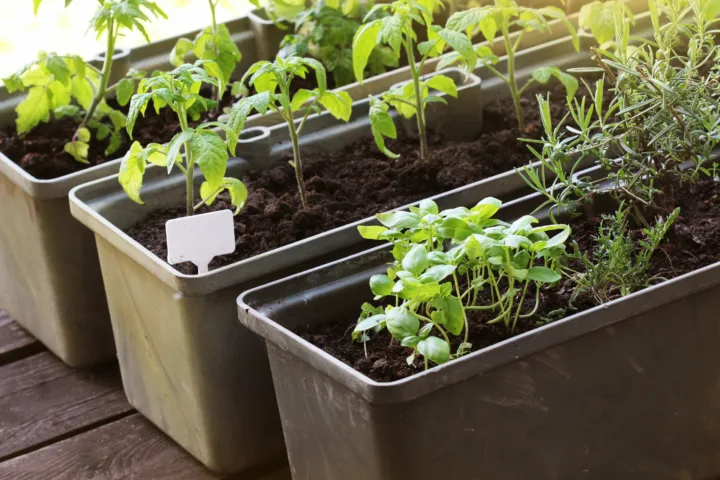
Size matters more than style. Tiny pots dry out fast and heat up. I aim for at least 12 inches wide and deep for most mixes. Larger pots hold more moisture and protect roots from temperature swings.
Material choices:
- Plastic retains water better and stays cooler.
- Terracotta looks classic but dries out quicker. I nest a plastic pot inside a terracotta one when I want both looks and function.
- Resin or fiberglass handles freeze-thaw cycles without cracking.
I line the bottom with a scrap of landscape fabric or a coffee filter so soil stays put while water drains. Simple fix. Huge difference.
If a decorative ceramic pot lacks holes, use it as a cachepot for a removable nursery pot, never as the planting vessel.
Best Container Flowers for Full Sun Spots
My balcony gets six-plus hours of direct sun most days. These are the plants that laugh at heat and keep pumping out blooms.
Petunias (especially Wave and Supertunia types) They cascade hard and bloom nonstop if I feed them. I plant three in a 14-inch pot and they spill over the edges by mid-June. Deadheading helps older varieties, but the newer ones clean themselves.
Calibrachoa (Million Bells) Tiny petunia look-alikes that never need deadheading. They cover themselves in flowers from spring until frost. I use them as spillers in almost every sunny pot.
Zinnias Fast growers that love heat. Compact varieties stay tidy in pots and the more I cut for bouquets, the more they bloom. Bright colors that hold up in full sun without fading.
Lantana Tough as nails. Clusters of flowers that butterflies love. It shrugs off missed waterings better than most annuals I have tried.
Geraniums (zonal types) Upright structure and solid drought tolerance. They prefer the soil to dry a bit between drinks. I pair them with trailing partners for balance.
I plant these in a quality potting mix, never garden soil. Garden soil packs down and kills drainage. I mix in a slow-release fertilizer at planting time so the food lasts weeks.
Lantana and geraniums tolerate missed watering better than calibrachoa, so place calibrachoa where your watering routine is most reliable.
Shade-Loving Container Flowers That Still Deliver
My north-facing corner gets maybe three hours of light. These keep color going without sulking.
Begonias (especially Dragon Wing and trailing types) They handle shade and keep flowering when everything else gives up. The foliage stays interesting even when blooms slow.
Impatiens (New Guinea or SunPatiens for brighter spots) Classic shade color. Modern varieties resist the mildew that wiped out older ones. Consistent moisture is the key.
Fuchsias Elegant hanging blooms that prefer cooler, shadier spots. I hang them where afternoon sun never hits.
Hostas (dwarf varieties) Not pure flowers, but the foliage carries a pot through the season. I tuck a few flowering annuals around them for extra punch.
Lobelia Delicate blue or purple cascades that cool down a shady mix. They prefer cooler weather but bounce back if I keep them watered.
I water shade pots less often than sunny ones. The soil stays moist longer. Overwatering kills more shade containers than anything else in my experience.
The Thriller-Filler-Spiller Method I Use Every Time
I used to jam random plants into a pot and hope for the best. The result looked flat and messy. Then I learned this simple formula and never looked back.
Thriller The tall centerpiece. Something upright for height and drama. Angelonia, salvia, or a small dahlia work great.
Filler Bushy mid-level plants that fill space and add mass. Petunias, geraniums, or coleus do the job.
Spiller Trailing plants that soften the edges and spill over. Calibrachoa, sweet potato vine, or lobelia.
I plant the thriller first in the center (or back if the pot sits against a wall). Then fillers around it. Spillers go at the edges. Leave a little space at the top of the pot so water does not run off.
Color combos I like:
- Hot: red geranium thriller, orange calibrachoa filler, purple petunia spiller
- Cool: purple salvia, white alyssum, blue lobelia
- Soft: pink begonia, silver dusty miller, trailing ivy
Mix textures too. Spiky leaves next to soft ones keep the eye moving. One season I used only matching colors and the pot looked boring. Contrast fixes that.
Rotate an all-sided pot weekly, helping the thriller grow evenly instead of leaning toward one dominant light direction.
Watering, Feeding, and Daily Care That Actually Works
Containers dry out faster than garden beds. In July heat I check my sunny pots every morning. Stick a finger in the top two inches. If it feels dry, water deeply until it runs out the bottom.
Morning watering beats evening. Leaves dry faster and disease stays lower. I use a watering can with a long spout so I can reach under the foliage without soaking the flowers.
Feeding is simple. Slow-release granules at planting cover the first six weeks. After that I switch to a liquid bloom fertilizer every two weeks. Half strength is enough. Full strength burns roots in small pots.
Deadheading keeps most plants blooming. I snip spent flowers every few days. Self-cleaning types like calibrachoa need almost none. If a plant gets leggy I shear it back by a third. It looks rough for a week then comes back stronger.
Heat waves are the real test. I move pots to afternoon shade when temperatures climb past 90. Grouping pots together creates a little humid microclimate that helps everyone.
Mistakes I Made So You Can Skip Them
I overwatered at first because I worried about drought. Roots rotted. Now I wait until the soil surface is dry.
I used cheap potting mix full of sticks and foam. Roots struggled. Quality mix with perlite or vermiculite drains better and lasts longer.
I planted too many plants in one pot. They competed and everything stayed small. Now I stick to three to five plants in a 14-inch container and let them fill in.
I ignored the light requirements on the tags. Full-sun plants in shade stretch and bloom poorly. Matching the plant to the spot fixes most problems before they start.
I forgot about winter. In my climate most annuals die with the frost. I empty the pots, store them upside down, and start fresh in spring. Some perennials I move to a protected spot or treat as annuals.
Frequently Asked Questions
What are the easiest container flowers for absolute beginners? Petunias, calibrachoa, and zinnias. They forgive missed waterings better than most and bloom for months with basic care. Start with those three and build from there.
How often should I water container flowers in summer? Check daily in hot weather. Most sunny pots need water when the top two inches of soil feel dry. Shade pots can go longer between drinks.
Can I grow container flowers in winter? In mild climates yes. Pansies, violas, and ornamental cabbage hold color through cold snaps. In colder zones I treat most as annuals and replant in spring.
Do container flowers need special fertilizer? A slow-release formula mixed into the potting mix at planting works for the first month or two. After that a diluted liquid fertilizer every couple of weeks keeps blooms coming.
Why do my container flowers stop blooming by midsummer? Usually heat stress, lack of fertilizer, or skipped deadheading. Move pots out of the harshest afternoon sun, feed them, and snip the spent flowers. Most bounce back within two weeks.
I still walk out to my patio every morning and feel a little surprised it looks this good. Container flowers turned a bare concrete rectangle into the spot where I drink coffee and watch bees. You do not need a big yard or perfect soil. You need the right pots, the right plants, and a willingness to check the soil with your finger.
Start with one large container this weekend. Pick a thriller, a filler, and a spiller that match your light. Plant them carefully. Water deeply. Then watch what happens. The blooms will keep coming if you keep showing up. That is the whole secret.