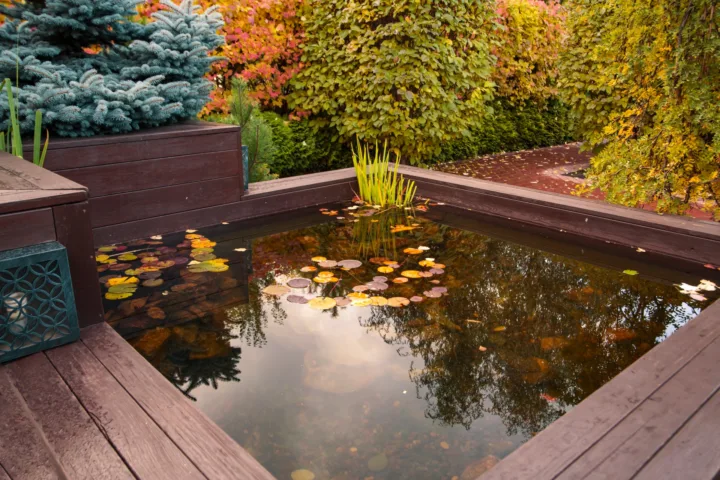

I never thought a basic tub could hold real fish and still look good in a cramped yard. Yet here I stand years later, watching my container fish pond bubble along every morning. Space was the problem. Money was tight. Digging a full pond felt impossible. So I went small and portable. That choice changed everything for me.
A container fish pond solved the exact headaches most of us face when we want moving water and living fish without a big backyard or a huge budget. I started with almost nothing and learned the hard way what works. Today I share those lessons so you skip the frustration I dealt with.
Why a Container Fish Pond Made Sense for Me
My yard measures maybe twelve feet by twenty. Traditional ponds need digging, liners that cost a fortune, and permanent space. I refused all of that. A container gave me freedom. I could move it if the sun got too harsh. I could drain it for winter without heavy equipment. Cost stayed low.
Honestly? I almost quit after the first algae bloom. The water turned green overnight. Fish looked stressed. That failure taught me more than any online list. Now the setup stays clear most of the year. You get the same calm water feature and the same splash of color without the permanent commitment.
See, the real win sits in the flexibility. I keep the whole thing on a level patio corner. Neighbors stop and ask questions. Kids point at the fish. It feels like a tiny world that belongs to me alone.
Water weighs about 8.3 pounds per gallon, so even a movable container can become extremely difficult to relocate once filled.
Picking the Right Container for My Setup
I tested three different containers before I settled. Each taught me something useful.
First came a half wine barrel. The rustic look sold me. Depth reached about eighteen inches. That volume held a few small fish without immediate overcrowding. Wood needed a liner though. Without it the staves would rot.
Next I tried a galvanized stock trough. Sturdy. Wide. Easy to find at farm stores. Zinc can leach if the metal sits bare, so I lined that one too. It held more water and stayed cooler in summer heat.
The winner for me ended up a heavy plastic storage tote. Cheap. Lightweight. Already waterproof. I doubled the walls with a second tote for strength. No leaks. No special tools. Total cost under forty bucks including the liner scraps I already owned.
Key factors I now check every time:
- Depth of at least twelve inches. Shallower water swings temperature too fast.
- Volume over fifty gallons if you want more than two fish. Smaller tanks crash faster.
- Smooth interior surfaces. Rough edges cut fins.
- Stable base. I set mine on concrete pavers so it never tips.
I skip glass bowls and thin planters. They look pretty for a week. Then they crack or overheat. Sturdy plastic or lined wood lasts seasons.
Check storage totes for food safe or pond safe labeling, since some plastics may release additives into fish water.
Setting Up My Container Fish Pond Step by Step
I cleared a sunny corner that still got afternoon shade. Four to six hours of light works best. Full sun all day cooks the water. Full shade slows the plants.
I placed the container on level ground. Then I added a thin layer of washed gravel. No garden soil. That stuff clouds everything. Next came the plants in mesh baskets. Oxygenators went in first. Marginals followed at the edges. Floating plants finished the surface cover.
I filled slowly with dechlorinated water. Rainwater works even better if you collect it. I let the system sit two full weeks before any fish arrived. That wait builds the good bacteria. Skipping it nearly killed my first batch.
A small solar pump keeps gentle movement. I avoid big filters. The plants do most of the cleaning. Once a week I scoop debris and top off evaporation. Ten minutes tops.
During the two week cycling period, test ammonia and nitrite, because clear water alone does not prove biological readiness.
Choosing Fish and Plants That Thrive
Fish choice decides success or heartbreak. I started with fancy goldfish because they stay smaller and handle cooler nights. Two fish in my fifty-gallon setup felt right. They nibble algae and stay active without demanding huge space.
Later I added a few mosquito fish. Those little fighters eat larvae and breed slowly enough that I can manage the numbers. Guppies work in warmer months if nights stay above sixty-eight degrees. I bring tropical types inside when frost threatens.
I stay away from koi. They grow too big and produce too much waste for any container I own.
Plants keep the balance. Hornwort oxygenates and grows fast. Water lettuce floats and shades. Dwarf water lilies give flowers without taking over. I keep coverage around half the surface. More than that and the fish lose swimming room. Less and algae takes charge.
My current mix looks simple:
- Two fancy goldfish
- A handful of mosquito fish
- Hornwort bunches
- One dwarf lily
- Water lettuce covering the edges
Everything stays healthy through most of the year. Winter brings a floating ball to keep a hole open if ice forms. The fish slow down but survive.
Use a thermometer before keeping guppies outdoors, because warm afternoons can hide nights below their 68 degree threshold.
Keeping the Water Healthy Without Constant Work
Water quality makes or breaks the whole thing. I test with simple strips once a week. Ammonia spikes mean I missed a partial change. Nitrates climb when plants lag.
I change twenty percent of the water every two weeks. Dechlorinator goes in first. Rain fills the rest when storms allow. Algae appears if the sun hits too hard. A quick shade cloth or extra floating plants fixes it faster than chemicals.
Predators pose the next risk. Neighborhood cats and birds love an easy meal. I stretch light netting across the top on warm evenings. A plastic heron decoy helps for a while. Move it every few days or the birds figure it out.
Honestly? The first summer I lost two fish to a raccoon. That hurt. Now the netting stays ready and the losses stopped.
Common Mistakes I Made and How I Fixed Them
Overstocking hit first. I added five fish to a thirty-gallon barrel. Ammonia climbed. Fish gasped at the surface. I moved half the fish to a second container and the problem vanished.
Skipping the cycle came next. I dumped fish in the same day I filled the tub. Two died within a week. Now I wait. Always.
Cheap pumps failed in heat. I switched to a solar model that runs only when the sun shines. Quiet. No electricity bill. Enough flow to keep oxygen high.
Ignoring temperature swings cost me another fish. Black plastic heats fast. I painted the outside light gray and added afternoon shade. Temperatures stabilized.
See, every error taught me one clear rule. Start smaller than you think. Add life slowly. Watch the water more than the fish. The fish will tell you when something is wrong. Listen early.
A solar pump stops after sunset, so monitor fish at dawn or add battery aeration during hot, cloudy weather.
Frequently Asked Questions
Can I really keep fish in a container fish pond without constant filtering? Yes if the volume stays over fifty gallons and plants cover half the surface. The plants handle most of the waste. I run only a gentle solar pump for movement and the water stays clear for weeks between changes.
What size container works best for beginners? I recommend at least fifty gallons and twelve inches deep. Anything smaller stresses the fish and swings temperature too hard. My plastic tote at that size has held steady for three seasons.
Do I need special plants for a container fish pond? Hornwort, water lettuce, and a dwarf lily cover the basics. They oxygenate, shade, and eat nutrients. I skip aggressive floaters like full-size hyacinth because they take over fast.
How often do I change the water? I do a twenty-percent change every two weeks plus top-offs as needed. Rainwater cuts the work. Test strips tell me if I need an extra change after heavy feeding.
Will mosquitoes become a problem? Not if the water moves a little and the mosquito fish stay active. Those fish eat the larvae before they hatch. A solar fountain adds extra protection if you skip the fish.
Final Thoughts from My Patio
I still walk out each morning and check the container fish pond first. The goldfish rise to the surface. Plants sway. Water stays clear enough to see the gravel. That small win started with a cheap tote and a stubborn refusal to dig a hole.
You already own most of what you need. Pick a sturdy container. Add plants. Wait for the cycle. Introduce two hardy fish. Watch and adjust. The rest follows. My setup cost less than a fancy dinner and brings daily calm. Yours can do the same. Start this weekend. The fish will thank you.