
I used to kill every herb I touched. Basil turned black. Rosemary dried out in a week. Mint took over and then died anyway. Then I switched to containers and everything changed. These container herb garden ideas gave me fresh flavor right outside my kitchen door without a big yard or perfect soil.
Honestly? I wish someone had handed me this playbook years ago.
I live in a small place with a sunny but cramped patio. Ground planting was never an option. Containers solved that. They let me control the dirt, move plants for better light, and keep aggressive growers like mint in check. FYI, most of my best results came from keeping things simple and matching plants that actually like the same conditions.
Why Containers Beat Ground Planting for Me
I tried a raised bed once. The soil stayed soggy. Weeds showed up overnight. Pests had a field day. Containers fixed those headaches.
I can move a pot if the afternoon sun gets too harsh. I water only what needs water. I group herbs by their needs instead of forcing everything into one bed. That alone cut my failure rate in half.
See, the real win is convenience. I step outside, snip what I need, and cook. No muddy shoes. No walking to the far corner of a yard that does not exist.
Choosing the Right Containers for My Setup
I learned the hard way that pretty pots without drainage holes equal dead roots. Every container I use now has holes in the bottom. No exceptions.
Size matters more than looks. I aim for pots at least 6 to 8 inches deep. Deeper is better for parsley, cilantro, and dill because they grow longer roots. Shallow pots dry out too fast and stress the plants.
Here is what works for me:
- Terracotta pots: They breathe well and look classic. I use them for rosemary, thyme, and sage. They dry out faster, which those woody herbs love.
- Galvanized metal tubs or buckets: Food-safe and sturdy. I drilled extra holes in the bottom of a big one and planted a whole Italian mix in it.
- Wooden crates or wine boxes: Rustic and roomy. I line them with landscape fabric so the wood lasts longer.
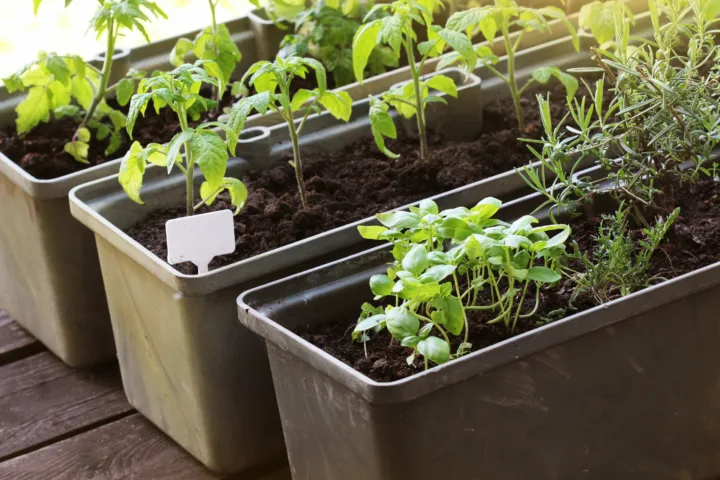
- Window boxes: Perfect for the railing. I keep chives, parsley, and basil right by the kitchen window.
- Hanging baskets or vertical planters: Space savers. Trailing thyme and oregano spill over the edges and look great.
I avoid tiny decorative pots. They look cute on Instagram. They dry out in a day and frustrate me. Bigger pots hold moisture longer and give roots room to grow. IMO, that is the single biggest upgrade you can make.
Raise patio containers on pot feet or bricks so drainage holes stay clear and wet pots do not stain or damage the surface.
Soil Mix That Actually Feeds My Herbs
Store-bought potting soil works fine. I improve it. I mix in a handful of compost or worm castings every time I plant. That adds slow nutrients without making the soil heavy.
Herbs hate wet feet. I add perlite or coarse sand if the mix feels dense. The goal is fluffy and well-draining. Water should run out the bottom within seconds.
I never use garden dirt straight from the yard. It packs down hard in pots and brings pests. Fresh potting mix every season keeps things clean.
My Favorite Container Herb Garden Ideas by Theme
I group herbs by how I cook and by what they need. Mixing random plants in one pot leads to some thriving while others sulk.
Italian Kitchen Mix
This is the one I reach for most. I fill a wide 16-inch pot with:
- Sweet basil in the center
- Oregano near the edge
- Thyme trailing over the side
- Flat-leaf parsley
- A small rosemary plant
They all like full sun and soil that dries a bit between waterings. I harvest often so the basil stays bushy. This mix turns spaghetti night into something special.
Mediterranean Dry Lovers
Woody herbs that hate wet soil go together. Rosemary, sage, thyme, and oregano share a large terracotta pot. I water less. They reward me with stronger flavor. These plants stay happy even when I forget them for a few days.
Fresh and Moist Group
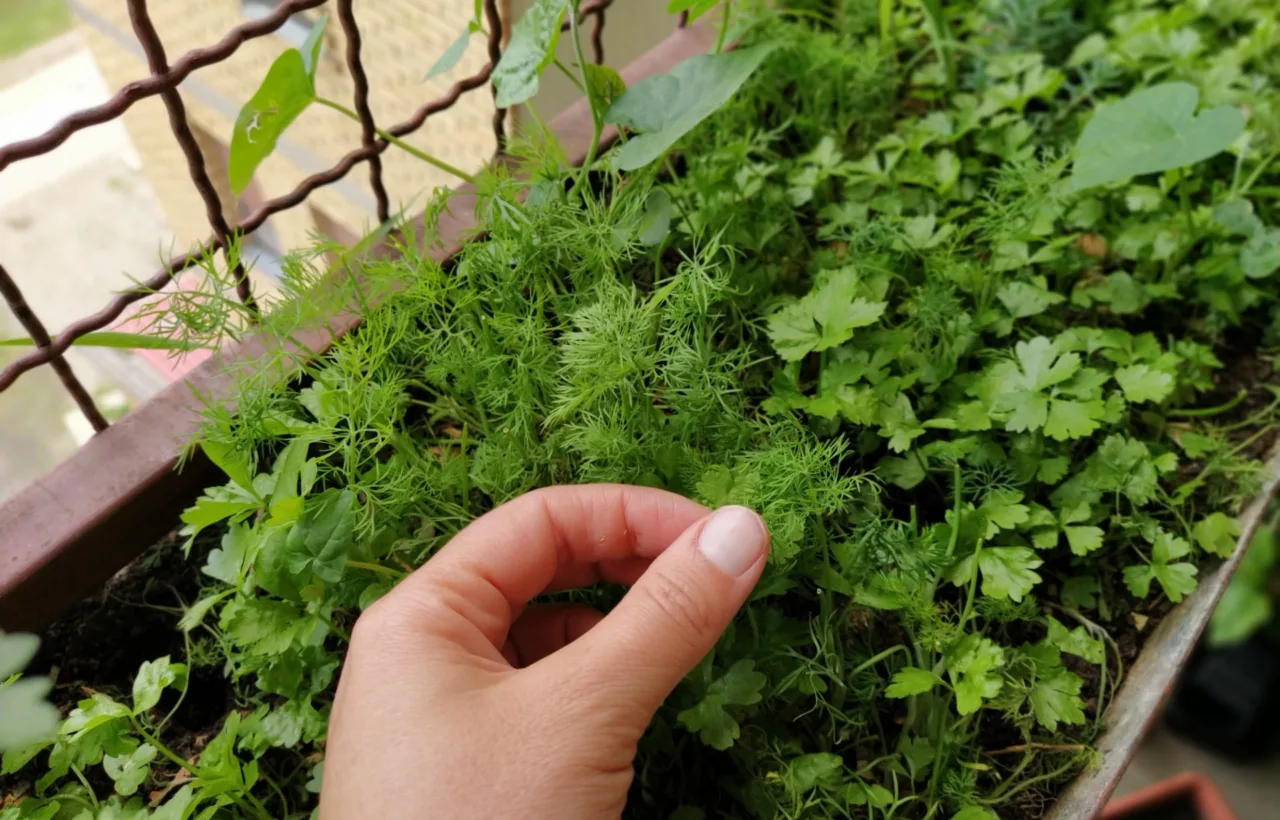
Basil, cilantro, parsley, and chives like more consistent moisture. I plant them in a deeper metal tub and water when the top inch feels dry. Cilantro bolts fast in heat, so I succession plant a few seeds every couple of weeks.
Mint Isolation Zone
Mint is a thug. I give it its own pot. Every time. Spearmint, peppermint, or chocolate mint. Keep the soil a little moister and harvest constantly. One pot of mint supplies teas and desserts all summer.
Tea Garden Combo
Lemon balm, chamomile, and a mild mint share a sunny window box. I dry the leaves for winter tea. The scent alone makes the patio feel calmer.
Vertical and Space-Saving Container Herb Garden Ideas
My patio is tiny. Going up saved me.
I stacked terracotta pots of decreasing size on a sturdy stake. The bottom pot holds four plants. Each smaller pot above holds fewer. Chives on top, basil in the middle, trailing thyme lower down. It looks like a living tower and takes almost no floor space.
An old wooden pallet leaned against the wall works too. I attached fabric pockets or small pots to the slats. Nine different herbs fit in a footprint the size of a doormat. Chalkboard paint on the wood lets me label everything.
Hanging baskets off the railing give me trailing oregano and thyme at eye level. I water them more often because they dry faster, but the convenience is worth it.
Anchor a pallet or stacked-pot tower to the wall or railing, especially after watering makes the containers substantially heavier.
Planting Steps That Stopped My Early Failures
I used to jam plants in too close. They competed and stayed small. Now I space seedlings 4 to 6 inches apart minimum. More room means bigger, healthier plants.
I fill the container two-thirds full with mix. I set the plants so the top of their root balls sits just below the rim. Then I backfill and water thoroughly until water runs out the bottom.
I plant annuals like basil and cilantro toward the center of a mixed pot. Perennials like rosemary and thyme go toward the edges where the soil dries faster. That simple placement matches their water needs without extra work.
Care Routine That Keeps Everything Alive
Most herbs want 6 to 8 hours of sun. I move pots if a building starts casting shade later in the season.
I water when the top inch of soil feels dry. Finger test every time. Overwatering kills more plants than underwatering in my experience.
I fertilize lightly. A diluted liquid feed every 3 to 4 weeks during peak growth is enough. Too much fertilizer makes leafy growth that tastes weak.
I pinch tips often. That forces bushier plants and gives me more harvest. Basil especially responds well. I never let it flower if I want continuous leaves.
Pests stay low in containers. I rinse aphids off with a strong spray of water. I remove any yellow leaves right away.
Sow cilantro in small batches every few weeks because summer heat can make one container bolt before you finish harvesting it.
Mistakes I Made So You Do Not Have To
I once planted mint with everything else. It choked the basil in two weeks. Separate pot forever after that.
I used pots without drainage. Root rot taught me the lesson fast.
I crowded plants for a fuller look right away. They stayed spindly. Proper spacing looks sparse at first and then fills in beautifully.
I ignored the difference between Mediterranean herbs and leafy ones. Now I group by water preference and everyone is happier.
Frequently Asked Questions
How many herbs can I put in one container? I stick to 4 to 6 plants in a 14- to 16-inch pot so each one has room. Larger half-barrels can hold 8 to 10 if I space them well.
Do container herb garden ideas work indoors? Yes, for chives, basil, parsley, and mint near a bright south-facing window. Woody herbs like rosemary need stronger light than most indoor spots provide.
What is the easiest herb for beginners in containers? Chives and thyme forgave my early mistakes the most. They bounce back from missed waterings better than basil.
How often should I water a container herb garden? I check every day in hot weather. Most pots need water every 1 to 3 days once established. The finger test never lies.
Can I grow herbs in the same pot year after year? I refresh the soil each spring and replace annuals. Perennials like rosemary and thyme stay for a few seasons if the pot is large enough.
I still lose the occasional plant. That is part of growing things. But these container herb garden ideas turned my patio into a reliable source of flavor instead of a graveyard of good intentions. Start with one good pot and a couple of herbs you actually cook with. Snip often. Water when needed. Enjoy the difference fresh leaves make in ordinary meals. Your kitchen will thank you.