
I started composting three years ago because my trash can smelled like a science experiment gone wrong every single week. Food scraps piled up. Yard waste clogged the bins. I knew composting could fix both problems and feed my garden for free. The hard part was figuring out exactly what to compost. Most lists felt either too vague or way too strict. So I learned the hard way through trial, error, and a few stinky piles. This guide shares everything I wish someone had told me on day one.
Honestly? Knowing what to compost changed how I look at every banana peel and fallen leaf. It cut my landfill waste by nearly half and turned my sad clay soil into something plants actually love. Stick with me and you will walk away with clear lists, real ratios, and the confidence to start (or fix) your own pile today.
The Basics I Wish I’d Understood Sooner
Composting is just controlled rotting. Microbes break down organic stuff into dark, crumbly soil amendment. They need four things: carbon, nitrogen, air, and water.
I call the carbon stuff browns. They are dry and woody. The nitrogen stuff is greens. They are moist and fresh. Get the balance right and the pile heats up nicely. Get it wrong and you get slime or a frozen brick.
See, I used to dump every kitchen scrap into an open pile and hope for the best. Big mistake. It attracted raccoons and smelled like a dumpster. Once I learned the green-to-brown dance everything clicked.
My go-to ratio: Aim for two to three parts browns for every one part greens by volume. Not weight. Volume. A big armful of leaves for every small bowl of veggie peels.
Keep the pile as damp as a wrung-out sponge. Turn it every week or two if you can. That is it. No fancy equipment required at the start.
Use the squeeze test: grab a handful of compost. If a few drops appear, moisture is perfect. Add water if dry, browns if wet.
What to Compost from the Kitchen
Kitchen scraps make up the bulk of my greens. They break down fast and pack nitrogen.
Here is what goes in my bin every day:
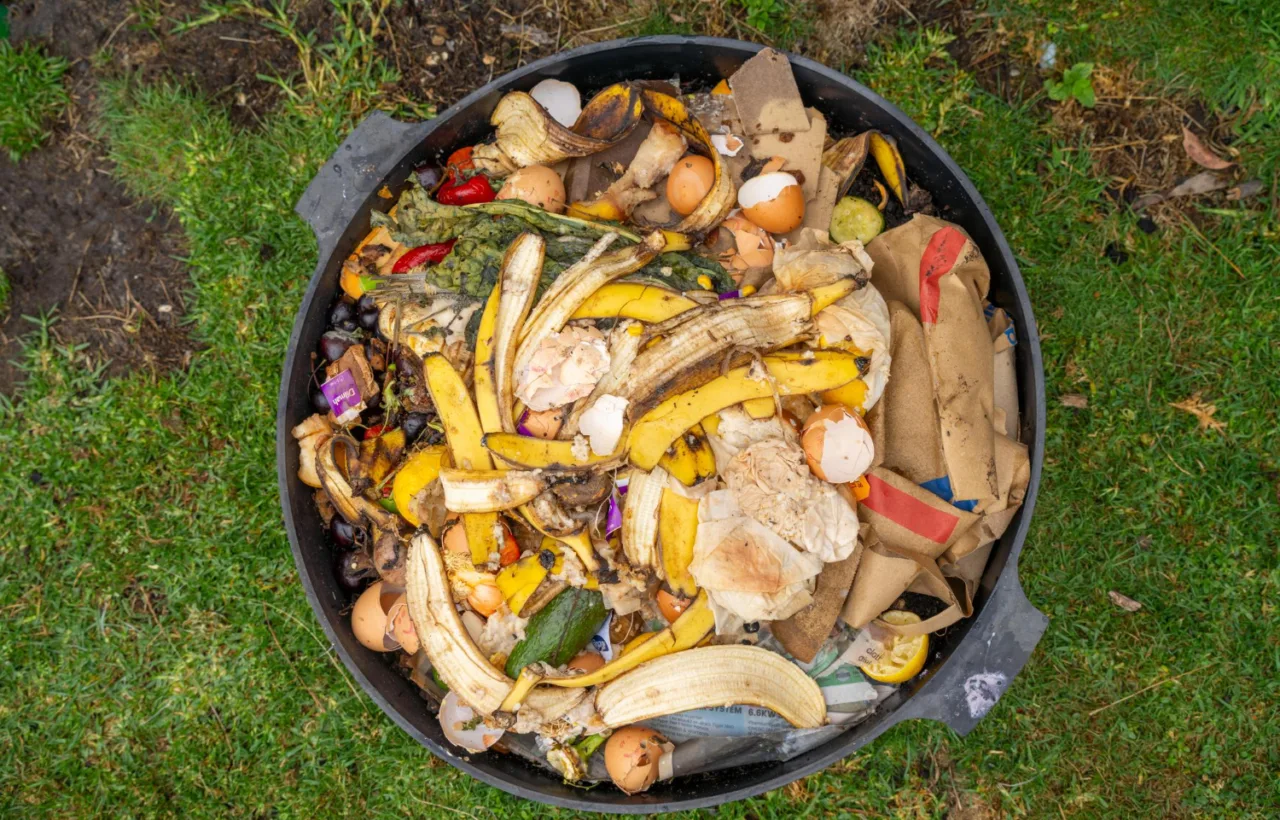
- Fruit and vegetable peels, cores, and scraps (banana peels, apple cores, carrot tops, broccoli stems, melon rinds)
- Coffee grounds and paper filters
- Tea leaves and most paper tea bags (remove staples)
- Crushed eggshells
- Stale bread, plain cooked rice, or pasta (in small amounts)
- Nut shells (except black walnut)
- Corn cobs and husks (chop them first)
- Spoiled plant-based milks
I chop everything into pieces smaller than a golf ball. Smaller bits break down faster. FYI, citrus peels are fine in moderation. Too many can slow things down, especially if you keep worms.
I keep a lidded container under the sink. Every few days I dump it outside and cover it with a thick layer of leaves or shredded cardboard. That simple cover stops smells and pests cold.
Citrus peels in large amounts can harm worm bins. Their acidity slows decomposition and may kill worms. Use sparingly.
What to Compost from the Yard and Garden
Yard waste supplies most of my browns. Fall is jackpot season.
My regulars include:
- Dry leaves (the absolute best brown)
- Grass clippings (use thin layers or they mat into slime)
- Plant stalks, twigs, and prunings (chop or break them)
- Spent flowers and houseplant trimmings
- Straw or hay
- Pine needles (sparingly, they are acidic)
- Untreated wood chips and sawdust
I shred leaves with the lawn mower. Whole leaves take forever. Grass clippings I mix right away with browns so they do not form a slimy mat.
Weeds are tricky. I only add ones that have not gone to seed and only if my pile gets hot. Diseased plants stay out. I do not want powdery mildew traveling into next year’s tomatoes.
Surprising Household Items I Compost Without Guilt
Once I got comfortable I started hunting for more. A lot of everyday trash is compost gold.
From around the house I add:
- Shredded non-glossy paper, junk mail, and cardboard (remove tape and plastic windows)
- Paper towels and napkins (as long as they are not soaked in chemicals)
- Toilet paper and paper towel rolls
- Cotton balls, swabs with cardboard sticks, and natural fabric scraps
- Hair from brushes and pet fur
- Dryer lint from 100 percent natural fibers
- Wine corks (chop them)
- Toothpicks and bamboo skewers
- Pencil shavings
- Vacuum cleaner dust (if your carpets are not full of synthetics)
I even compost the cardboard egg cartons and the paper that wraps toilet paper. It feels good every time I keep that stuff out of the trash bag.
One personal favorite: the soil from dead houseplants. I dump the whole pot in. The old soil and roots add structure and microbes.
What I Never Put in My Compost Pile
This list saved me more frustration than anything else. Some things just cause problems in a backyard setup.
I skip:
- Meat, fish, bones, and seafood
- Dairy products (milk, cheese, yogurt, butter)
- Oils, grease, and greasy leftovers
- Pet waste from dogs or cats
- Diseased or insect-infested plants
- Weeds that have gone to seed
- Treated wood, painted wood, or pressure-treated sawdust
- Coal or charcoal ash
- Black walnut leaves, twigs, or nuts (they contain juglone that kills plants)
- Glossy magazines, plastic-coated paper, or stickers
- Synthetic fabrics and dryer lint from polyester clothes
Meat and dairy smell terrible and invite every raccoon in the neighborhood. Oils coat everything and slow the microbes. Dog and cat poop can carry pathogens that do not die in a cool home pile. I bag those for the trash or a special pet-waste digester.
Cooked food is a gray area. Plain rice or pasta is fine in tiny amounts. Anything saucy or oily stays out.
Juglone from black walnut trees persists in compost for years. It is toxic to tomatoes, peppers, and other nightshades.
How I Balance Greens and Browns in Real Life
Theory is easy. Real life is messy peels one day and a mountain of leaves the next.
When my pile looks wet and smells sour I bury the greens deeper and dump on extra browns. When it sits cold and dry I add greens and a splash of water, then turn it.
I keep a stash of dry leaves in a big tote next to the bin year-round. That way I always have browns ready. In summer when leaves run low I shred cardboard boxes and paper bags.
IMO the best tip is to cover every addition of greens with at least four inches of browns. No bare food scraps sitting on top. That one habit killed my pest problems overnight.
Stockpile shredded cardboard and paper bags as backup browns. They store flat and are always ready when leaves run low.
Common Mistakes I Made (So You Do Not Have To)
My first pile was a slimy, stinky mess. I added only kitchen scraps and never turned it. Lesson learned.
Second attempt: I added too many grass clippings at once. They formed a waterproof mat. Water pooled on top and nothing happened underneath.
Third try: I threw in whole branches and avocado pits. Two years later they were still intact.
Now I chop everything. I turn when I remember. I keep the moisture right. The pile finishes in three to five months instead of a year.
If your pile smells like rotten eggs it needs air and browns. If it smells like ammonia it has too many greens. Fix it and move on. Composting forgives a lot.
Tips That Actually Speed Things Up
Chop or shred. Always.
Keep it moist but not soggy.
Turn or tumble regularly for air.
Use a bin with a lid if raccoons or dogs roam your yard. I switched to a simple enclosed tumbler and never looked back.
Size matters. A pile at least three feet wide and tall holds heat better. Smaller bins still work. They just take longer.
In winter my pile slows way down. I still add scraps and cover them. Come spring it restarts like magic.
Frequently Asked Questions
Can I compost citrus peels and onion skins? Yes. I add them regularly. Just chop them and do not overload the pile. Worms dislike large amounts of citrus, so go easy if you vermicompost.
What about bread and cooked leftovers? Plain stale bread and plain cooked grains are fine in small amounts. I bury them deep and cover well. Anything with oil, butter, or heavy sauce stays out of my home pile.
Is it okay to compost paper towels and napkins? Absolutely, as long as they are not soaked in cleaning chemicals or grease. I tear them up and toss them in as browns. They disappear fast.
How do I know when the compost is ready? It looks dark and crumbly. It smells like fresh forest soil. You cannot recognize the original ingredients anymore. I usually screen out any big pieces and throw them back into the active pile.
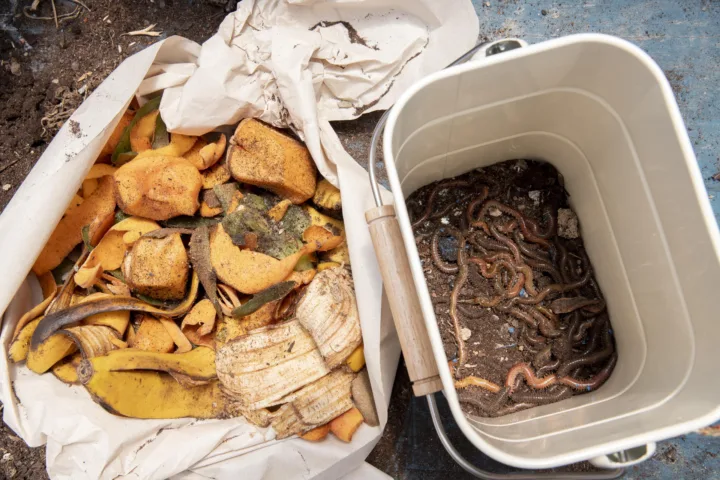
Can I compost in an apartment? Yes. I started with a small worm bin under the sink. It handled all my kitchen scraps quietly and without smell. Finished worm castings are pure gold for houseplants.
My Final Thoughts on Mastering What to Compost
I used to stare at my trash can and feel guilty. Now I look at every peel, leaf, and cardboard tube as future garden food. Knowing what to compost turned a chore into one of my favorite habits. My tomatoes are bigger. My soil holds water better. My trash bags are lighter.
Start simple. Pick a container. Collect greens and browns. Cover the food scraps. Turn when you can. You will mess up. I did. Then you will get it right and wonder why you waited so long.
Go grab that banana peel sitting on the counter. Your future pile is waiting.