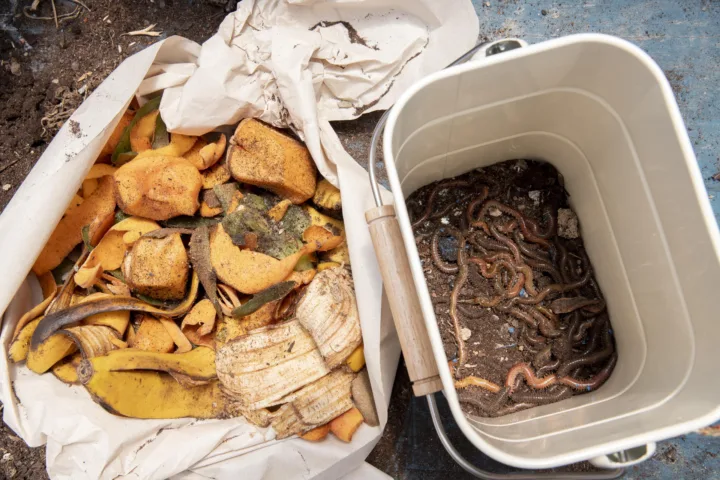

I spent months staring at my overflowing scrap bucket before I caved and bought a compost machine. The fruit flies had claimed victory. My tiny apartment balcony refused to host a traditional pile. And every grocery run left me with peels, cores, and coffee grounds that felt like a personal failure.
Honestly? I felt defeated. Traditional composting looked perfect. Messy. Slow. So I researched every electric option out there, ordered one, and ran it for a full year. This is the real story of what worked, what flopped, and whether a compost machine belongs in your kitchen too.
What a Compost Machine Actually Does (Spoiler: Not Always Real Compost)
See, most people search for a compost machine thinking it magically turns last night’s salad into garden gold overnight. I thought the same.
Dehydrator output contains concentrated salts; limit to 20% of potting mix to avoid root damage.
It doesn’t.
Here’s the blunt truth I learned the hard way. Most countertop models heat, grind, and dry your scraps. They shrink the volume by 70-90 percent in 3 to 8 hours. You end up with a dry, crumbly powder that looks a bit like coffee grounds mixed with sawdust. It’s shelf-stable. Odor-free if the filters work. Perfect for bagging up and tossing into a green bin or backyard pile later.
A few newer ones (I’m looking at you, Reencle and GEME) actually use microbes. Those get closer to real compost. The rest? Dehydrators with fancy branding. FYI, brands like FoodCycler own this and call theirs a “food recycler” on purpose.
I ran my first batches expecting miracle dirt. What came out still needed weeks of curing mixed into soil before plants loved it. Lesson locked in.
If you buy a dehydrator-style model, its output won't feed plants immediately—plan on curing it with soil for weeks first.
My Personal Journey: From Skeptic to Daily User
I almost quit three times. The first week the machine sat on my counter looking like a sleek toaster I regretted. The second week I forgot a cycle and woke up to a mild funk. The third week I calculated the electricity and nearly boxed it up.
What changed everything: I stopped treating it like a set-it-and-forget-it miracle and started treating it like a tool. Messy first batches beat no progress. Every time.
I live in a small place with no yard. Winter freezes any outdoor attempt. City rules make open piles risky. A compost machine solved the daily scrap panic. I toss peels after dinner. Hit start. Wake up to reduced waste I can store for months. My trash bag stays light. Flies vanished. That alone felt like winning.
Personal win: My houseplants perked up once I mixed the output properly. Banana peels and eggshells stopped guilt-tripping me. I even started tracking waste. Cut my grocery waste by a third just by seeing the volume.
Run a cycle every evening after dinner prep to avoid the 'mild funk' of forgotten scraps.
How I Chose My Compost Machine (And the Ones I Tested)
I didn’t pick the prettiest. I picked what fit my life.
I tried three over the year through loans and returns. Here’s the honest breakdown I wish someone handed me.
Key Features I Watched Like a Hawk
- Capacity: 2-5 liters. Bigger sounds better until it owns your entire counter.
- Cycle time: Under 8 hours so it runs overnight.
- Noise: Under 50 dB or it ruins movie night.
- Filters: Charcoal ones need swapping every 3-6 months. Budget for that.
- What it accepts: Meat and dairy? Only some do. Bones? Rarely.
- Output quality: Dry powder vs. something that smells earthy and ready.
My Top Contenders After Real Use
- FoodCycler Eco 5: Compact. Quiet enough. 5-liter bucket. Runs about 4-8 hours. Output is pure dried grounds. Best bang for most people. I used this longest. Energy draw stays low, less than a microwave cycle.
- Lomi 3: Sleek. App. Modes for speed or “grow.” Handles more volume. Lid issues showed up after months for me. Output finer but still needs curing. Pricey.
- Reencle Prime: Microbe-based. Continuous feed. Closer to actual compost after scooping and curing. Quieter. Accepts more variety. Paddle broke once after 18 months (warranty fixed it free). Bigger footprint.
- Mill: Looks like a fancy trash can. Foot pedal. Monthly empty if you want their chicken-feed pickup. Subscription vibe. Love the design. Hate the higher cost.
I landed on the FoodCycler first for simplicity. Switched to Reencle when I wanted real dirt vibes. Your call depends on space and patience.
The Real Pros and Cons I Lived With
Don’t buy hype. Buy based on your actual kitchen chaos.
Pros that kept me hooked:
- Trash volume drops hard. Weekly bags became biweekly.
- No more stink or pests in the kitchen.
- Works year-round. Snow or heat wave, no problem.
- Forces awareness. I waste less food now because I see every scrap.
- Output stores dry forever until I’m ready for the garden or community drop-off.
Cons that annoyed me:
- Up. $300 to $1000 upfront. Filters add $20-50 a year.
- Counter real estate. Measure twice.
- Not true compost on most models. You still finish the job outside or in soil.
- Electricity. Roughly 1 kWh per cycle. Pennies, but it adds up if you run daily.
- Learning curve. Wrong scraps (too much liquid or hard pits) clog or smell.
Honestly? The biggest con is expectation. If you want finished black gold tomorrow, skip it. If you want less landfill guilt and easier scrap handling, keep reading.
How to Use a Compost Machine Without Losing Your Mind
I made every rookie mistake so you don’t have to.
- Chop big pieces. Saves time and gets finer output.
- Balance wet and dry. Too many melon rinds? Add paper towels or bread.
- Empty on schedule. Don’t let it sit full.
- Clean the bucket. Dishwasher safe ones are gold.
- Cure the output. Mix 1:4 or 1:10 with soil. Wait 2-3 weeks. Then plant.
I keep a small lidded bin under the sink for daily scraps. Dump once full. Run overnight. Scoop my phone for the chime. Done.
One sarcastic note: Manufacturers love pretty photos of perfect dirt. Reality looks more like crushed autumn leaves. Embrace it.
Compost Machine vs. Traditional Methods: My Side-by-Side Take
I still keep a small outdoor tumbler for summers. Here’s how they stack for me.
Traditional pile or tumbler:
- Free or cheap.
- Real compost after months.
- Attracts critters if unmanaged.
- Weather dependent.
- Smelly learning curve.
Compost machine:
- Instant volume cut.
- Indoor, pest-free.
- Paid electricity and filters.
- Output needs finishing.
- Fits apartment life.
IMO, the machine wins for renters and cold climates. Traditional wins for space and pure soil geeks. Hybrid is my current setup. Machine for kitchen chaos. Tumbler for bulk yard waste. Perfect.
I think chasing “best” is the wrong way to go about it. Best for who? Space and lifestyle decide. Not glossy ads.
Common Mistakes That Nearly Ruined My Setup
I overloaded once. Machine groaned. Output stayed chunky. Never again.
I ignored the filter. Mild funk returned. New filter fixed it in a day.
I dumped raw output straight on seedlings. They sulked. Curing fixed that.
I expected zero maintenance. Wrong. Wipe the lid. Check paddles. Simple but required.
Don’t be in a rush. Start small. One scrap type first. Build confidence.
Frequently Asked Questions
Does a compost machine make real compost?
Most don’t. They dehydrate and grind. A few microbe models get closer. You still need to cure the output for true plant-ready dirt.
How much electricity does a compost machine use?
About 0.8 to 1.5 kWh per cycle. For me that lands under $1 a week even with daily runs. Less than leaving a light on.
Can I put meat and dairy in my compost machine?
Some models yes (Reencle, Mill, certain FoodCyclers). Others no. Check the manual or you get smells and incomplete cycles.
Is a compost machine worth the money for apartments?
Yes if pests and trash volume drive you nuts. No if you have free municipal pickup or a balcony pile that works. I say try a rental first if available.
How often do I empty a compost machine?
Depends on capacity and household size. Mine hits full every 2-4 days. Continuous-feed ones stretch longer.
Final Thoughts From My Countertop
A compost machine won’t save the planet alone. It won’t replace smart shopping or real outdoor composting. But it turned my daily scrap dread into a five-minute habit. Trash smells gone. Plants happier. Guilt lighter.
I almost quit three times. Glad I didn’t. The powder in my storage bin proves progress beats perfection.
If your kitchen scraps mock you every night, measure your counter space and pick one that fits. Start tonight. Your future self (and your houseplants) will thank you. Now go toss those peels. You’ve got this.