
I built my first 3 bin compost system after years of wrestling with a single messy pile that never quite finished. Yard waste piled up. Kitchen scraps turned slimy. I needed a better way. That simple setup changed everything for my garden. Now I produce rich compost on a steady cycle without the usual headaches.
I still remember the frustration. My old heap sat there like a forgotten mountain. Weeds took over. Smells crept in on hot days. I almost gave up on composting entirely. Honestly? The third time I considered quitting nearly stuck. Then I switched to a three-bin approach. Everything clicked.
This article shares exactly how I set up and run my 3 bin compost system. You get the full story from my backyard experiments. No fluff. Just what works.
Why I Switched to a 3 Bin Compost System
Single piles force you to mix everything in one spot. Fresh scraps sit next to nearly finished material. Heat builds unevenly. You dig forever to turn it. I hated that. The 3 bin compost system splits the process into clear stages. One bin takes new waste. The middle one breaks it down. The last one finishes and stores the good stuff.
I handle way more material now. My garden pumps out leaves, clippings, and veggie scraps all season. One bin never kept up. Three do. I always have finished compost ready when I need it. That steady supply feels like winning.
See, capacity is the real win. Each of my bins holds about a cubic yard. Together they manage the chaos from two big vegetable beds plus kitchen waste. Hot composting happens easier too. The walls hold heat in. Turning means just forking material to the next bin. Oxygen floods in. Microbes party.
Pros stand out clearly for me:
- Easy turning: I move the pile sideways instead of rebuilding it from scratch.
- Continuous flow: Fresh waste never contaminates finished compost.
- Better heat: Larger volume cooks faster and kills weed seeds.
- Low cost option: Pallets or scrap wood keep it cheap.
Cons exist. The setup takes space. My three bins stretch about nine feet long. Small yards might struggle. Effort still shows up when I turn. I split the job over two days sometimes. Aesthetics? Mine looks rustic. I painted the wood once. That helped.
I think chasing a perfect single bin is the wrong way to go about it. Space and stages matter more than fancy lids. The 3 bin compost system delivers results. Messy first versions still beat stuck piles every time.
How the 3 Bin Compost System Actually Works
The magic sits in the stages. I treat each bin like a different room in a factory.
Bin one is the intake. I dump greens and browns here daily. Grass clippings. Coffee grounds. Shredded cardboard. Leaves. I aim for two parts brown to one part green. Small pieces break faster. I chop big stalks with my shears.
Once bin one fills and starts heating, I fork everything into bin two. That move aerates it hard. Heat spikes again. I leave it to cook. Moisture stays like a wrung-out sponge. I add water if it dries. Cover with a tarp on heavy rain days.
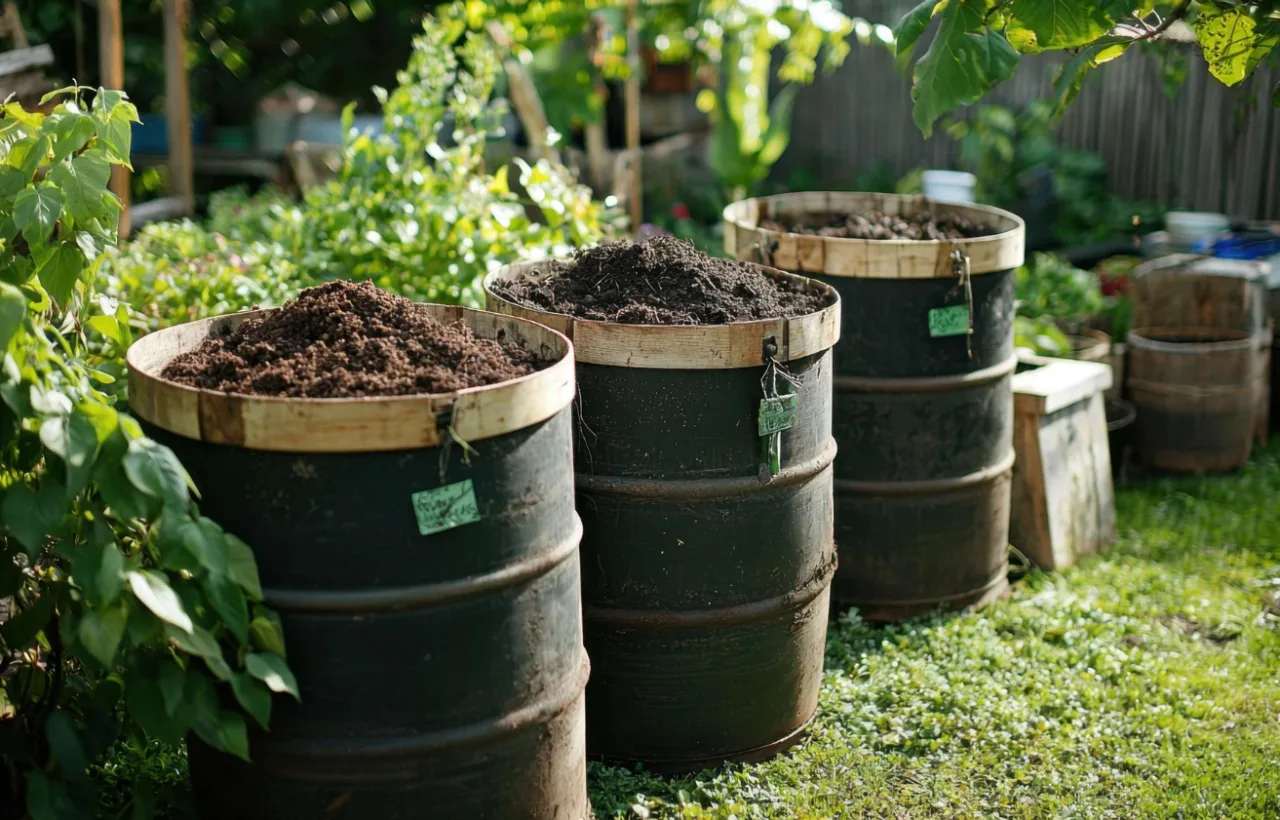
Bin three holds the mature stuff. Dark. Crumbly. Earthy smell. Ready for the garden. I screen it sometimes for finer texture. Then I use it on beds or potting mix.
The cycle keeps rolling. When bin three empties, bin two moves over. Bin one shifts to two. Fresh material starts again in one. I never run out.
Temperature tells the story. I stick a cheap thermometer in the center. Over 130°F means hot composting. Pathogens die. Seeds cook. Below that and it slows to cold mode. Both work. Hot just finishes quicker. Three to six months total for me.
I learned ratios the hard way. Too many greens make it slimy and stinky. Too many browns stall it cold. Balance fixes both. FYI, I keep a leaf pile nearby for easy browns in summer.
Use a soil moisture meter for precise watering; aim for 50-60% moisture to optimize microbial activity without waterlogging.
Building My Own 3 Bin Compost System from Scratch
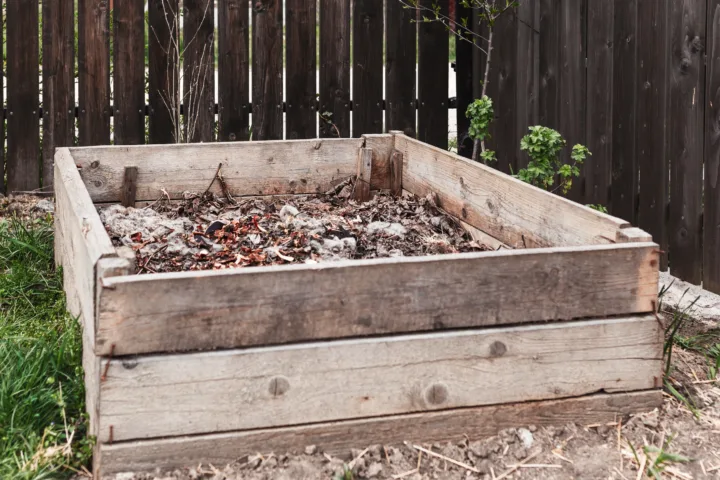
I went the pallet route first. Free wood from a local store. Seven pallets. Some rebar stakes. Wire for corners. Done in an afternoon.
Here is the exact process I followed:
- Gather materials: Seven matching pallets. Fourteen stakes or rebar pieces five to six feet long. Wire or zip ties. Optional chicken wire for sides.
- Lay out the back: Stand three pallets side by side for the long rear wall.
- Add dividers and sides: Place four more pallets to form the three open fronts and two internal walls.
- Stake it down: Hammer rebar through the pallet slats into the ground. Two per connection point.
- Wire the corners: Twist coat hanger wire or cable ties at top, middle, and bottom for strength.
- Floor prep: Toss sticks or branches on the bottom of each bin. Airflow improves. Roots stay out.
My first version lasted four years before the wood softened. I rebuilt with better pallets and added removable front slats. That change made emptying so much easier. I slide boards up and fork straight out.
Solid wood versions cost more but last longer. Cedar resists rot. Removable fronts are non-negotiable for me now. Lids help in rainy climates. I use an old tarp weighted with rocks. Simple works.
Location matters. I put mine near the garden path and a water spigot. Partial shade keeps it from drying out. Good drainage underneath stops soggy bottoms. Firm ground prevents sinking. Mine sits a bit uneven now. Lesson learned.
Cost stayed under twenty bucks the first time. Screws and wire only. Later upgrades hit maybe a hundred with new lumber. Still cheap compared to store-bought multi-bin units that run three hundred plus.
My Daily and Seasonal Routine with the System
I keep it simple. Kitchen scraps go in a counter caddy. I empty it into bin one every few days. Yard waste joins after mowing or pruning. I layer as I go. Browns on top of greens. That reduces flies and smells.
Turning happens every four to six weeks for the active bins. I pick a cool morning. Pitchfork in hand. Move the whole pile next door. It takes thirty to forty-five minutes. Music helps. Sweat happens. Satisfaction follows.
Moisture checks come with every turn. Squeeze a handful. A few drops mean perfect. Bone dry gets a hose spray. Soupy wet gets more dry leaves mixed in.
Winter slows everything. I still add scraps. The pile holds some heat. Spring kickstarts it again. Summer heat speeds the whole cycle. Fall leaves fill the brown supply for months.
Pests stayed minimal. I avoid meat, dairy, oils, and pet waste. Those attract trouble. A wire mesh floor in one rebuild kept rodents out better. Raccoons sniffed once. The closed fronts stopped them.
I screen finished compost through a simple hardware cloth frame. Big chunks go back into bin one as starters. Fine stuff feeds tomatoes and roses. Plants love it. My yields jumped the first year I used homemade compost heavily.
Common Mistakes I Made and How I Fixed Them
I started too small. Early bins held barely enough for heat. I enlarged them. Volume builds temperature.
I ignored the ratio once. Slimy mess. Flies. I forked in dry leaves and cardboard. Fixed in a week.
I left fronts permanent at first. Digging out finished compost sucked. Removable slats changed the game.
Weed seeds snuck in early. Hot temps above 140°F kill most now. I still pull any sprouts around the base.
Overwatering happened in a rainy stretch. Tarp covers and better drainage cured it.
Honestly? Rushing the finish stage produced half-done compost. I wait for the dark crumbly look and earthy smell. No shortcuts.
These fixes came from real messes in my yard. Your system will teach you too. Start simple. Adjust as you go.
Tips That Keep My 3 Bin Compost System Running Smooth
Chop everything small. Faster breakdown. I run leaves through the mower. Stalks get snipped.
Add a shovel of finished compost or garden soil to new piles. Microbes jumpstart.
Cover open tops lightly. Rain control without full seal. Air still moves.
Track progress with notes on my phone. Date of last turn. Temperature. Moisture. Patterns emerge.
Share extras with neighbors. Builds goodwill. Sometimes they drop off their leaves in return.
IMO, the best upgrade was those sliding front boards. Access improves everything.
Keep tools handy. Pitchfork. Thermometer. Hose. Gloves. No excuses to skip a turn.
Frequently Asked Questions
How long does compost take in a 3 bin compost system? Mine finishes in three to six months depending on weather and how often I turn. Hot summers speed it up. Cold winters slow the last stage.
Can I build a 3 bin compost system with free materials? Yes. I did with pallets and scrap wire. Many stores give pallets away. Stakes and ties cost little. It works great for years.
What size should each bin be in a 3 bin compost system? I aim for at least 3 feet by 3 feet by 3 feet per bin. That volume holds heat well. Bigger is fine if you have space and waste.
Does a 3 bin compost system attract pests? Not if you skip meat, dairy, and oils. My setup stays clean. Wire bottoms and closed fronts help too.
Is turning really necessary every few weeks? For hot fast compost yes. I turn to keep oxygen high and mix layers. You can go slower with less turning if patience wins.
Final Thoughts from My Backyard
The 3 bin compost system turned my waste into garden fuel. I stopped buying bags of soil amendment. Plants thrive. The process feels rewarding instead of chore-like. Start with what you have. Pallets. Scrap wood. Even three open piles in a row work as a test.
I still tweak mine every season. New covers. Better stakes. Fresh paint. The core stays the same. Stages. Turning. Balance. Results.
Get out there and build yours. Your garden will thank you with bigger harvests and healthier soil. I know mine does.