
I spent three summers watching my petunia pots flop by July. Sparse stems. Faded color. Total letdown after the initial burst. Then I started testing real petunia container ideas on my own deck and balcony, and everything shifted. Now I get thick cascades of color that hold strong until frost. This guide shares exactly what worked for me so you can skip the trial-and-error phase.
Why Petunias Shine in Containers (When You Get Them Right)
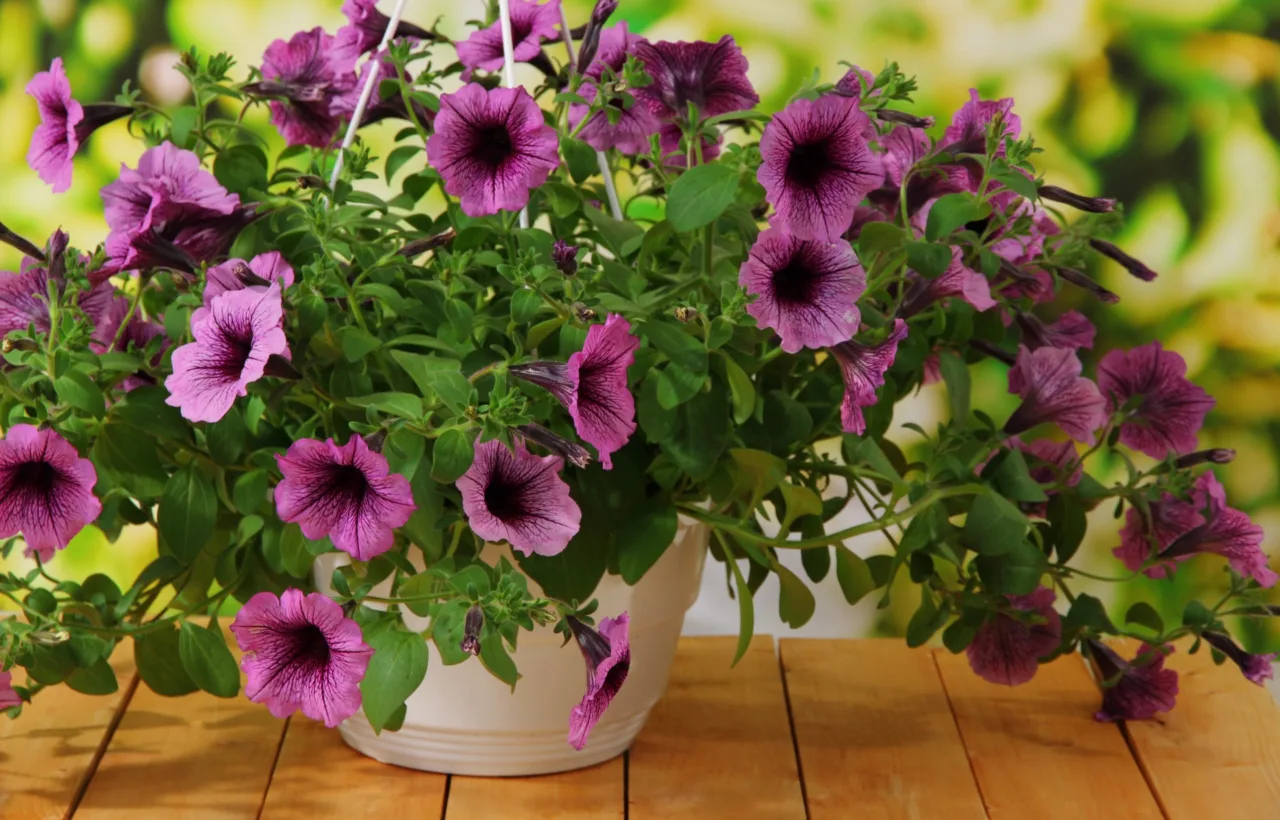
Petunias love the freedom of pots. They trail. They mound. They pump out blooms like nothing else in full sun. I plant them every spring because nothing matches that waterfall of color over the edge of a hanging basket or window box.
See, the key is matching the variety to the pot size and giving them what they crave: sharp drainage, steady food, and room to sprawl. Do that and you get months of solid performance. Ignore it and you get leggy disappointment by midsummer. I learned that the hard way after overcrowding a 12-inch pot with six plants one year. They fought for space and never filled in.
Choosing Containers That Actually Work
I used to grab whatever pot looked cute. Big mistake. Size and drainage matter more than style.
Size Guidelines I Follow Now
For trailing types like Supertunia Vista or Wave series, I stick to these numbers:
- 10- to 12-inch pot: 2–3 plants max
- 14- to 16-inch pot: 3–4 plants
- 16- to 20-inch pot or basket: 4–6 plants
Larger vigorous varieties need less density so they can expand without choking each other. Compact or mini types handle tighter spacing. I always choose containers at least 8–10 inches deep. Shallow ones dry out too fast and stunt the roots.
Material Matters
Terracotta breathes well but dries faster in heat. I water those daily during heat waves. Plastic and resin hold moisture longer and stay lighter for hanging. Ceramic looks sharp on the patio but needs solid drainage holes. I drill extras if needed. FYI, I skip any pot without holes at the bottom. Standing water kills petunias faster than anything else.
I group three matching pots on my steps for impact. It creates a fuller look without buying one giant planter.
Best Petunia Types for Container Success
Not every petunia performs the same in pots. I tested the main groups side by side last season.
Spreading and Wave Types
These are my workhorses for big hanging baskets and large barrels. They spread 3–4 feet and keep blooming without constant deadheading. Wave Purple Classic and Easy Wave varieties fill space fast. I plant one or two in a 16-inch basket and let them take over. Self-cleaning habit saves me time. A quick midsummer cutback refreshes them if stems get long.
Supertunia Series
These win for consistent color and heat tolerance. Supertunia Vista Bubblegum stays compact yet trails beautifully. I use three plants in a 14-inch pot and get solid coverage by early summer. They need almost no deadheading. Bordeaux and Jazzberry give rich tones that hold up in rain better than older grandifloras. IMO these are the most reliable for mixed containers.
Surfinia and Cascading Types
Delicate flowers on long stems. Perfect as pure spillers. I pair them with upright plants so the trails have something to cascade against. They need a bit more pinching early on but reward you with soft movement in the wind.
Grandiflora types look impressive up close in formal urns, but I only use them when I commit to weekly deadheading. The big blooms damage easily in storms.
My Favorite Petunia Container Ideas From Real Trials
I keep a notebook of combinations that actually lasted. Here are the ones I repeat every year.
Classic Cascading Hanging Basket
Wire basket lined with coco fiber. Four Supertunia Vista plants in one color or two complementary shades. I water from the top so runoff feeds the lower growth. By July the trails hit three feet. Place it where you walk under it daily. The view from below is the best part.
Mixed Thriller-Filler-Spiller Pot
This formula never fails me. One upright salvia or ornamental grass in the center for height. Two or three mounding petunias as fillers. Two trailing companions like dichondra Silver Falls or calibrachoa as spillers. In a 16-inch ceramic pot the layers create depth. Pink Supertunias with peach calibrachoa and silver foliage look expensive without the effort.
Window Box Overflow
24-inch or longer box. Wave types spaced every 8–10 inches. I tuck in a few verbena for extra texture. The spreading habit fills gaps fast. Position it on a sunny sill and you get curb appeal that neighbors notice. I rotate the box every couple weeks so growth stays even.
Statement Urn at the Door
18-inch urn with five or six grandiflora or double-flowered petunias. These need weekly pinching of spent stems all the way to the base. The payoff is huge individual blooms right at eye level when guests arrive. I stick to sheltered spots so rain does not shred the petals.
Creative Upcycled Displays
Last year I tried an old metal birdcage from a thrift store. Cleaned it, added a coco liner, and planted three trailing petunias. Hung it from a tree branch. Instant conversation piece. Ladder displays work too. I set three pots on the rungs of an old wooden ladder against the fence. Each pot gets different colors for a vertical rainbow effect.
Color-Blocked Patio Cluster
Three matching 14-inch pots. One solid pink, one purple, one white. All Supertunia. Grouped together they read as one big display. Simple. Effective. I move the whole group when I want to change the patio layout.
Edible-Adjacent Combo
Cherry tomato plant in the center of a large pot. Wave petunias around the edges. The flowers draw pollinators and the tomatoes benefit. Harvest is better and the pot still looks pretty. I only do this in full sun spots with consistent water.
Care Routine That Keeps Containers Looking Full
Petunias in pots need more attention than ground plantings because soil dries faster and nutrients wash out.
Soil and Planting Steps
I fill every container with quality potting mix, never garden soil. Mix in some perlite or coco coir for drainage and moisture hold. Plant after the last frost when nights stay above 50°F. Set the crown just below the soil line. Water thoroughly right after planting.
Watering and Feeding
Check the top inch of soil. Water when it feels dry. In peak heat that means every day for smaller pots. Deep soak until water runs out the bottom. I feed weekly with a balanced liquid fertilizer once growth starts. Slow-release pellets at planting help too. Petunias are heavy feeders. Starve them and the blooms thin out fast.
Pruning and Deadheading
Self-cleaning types need almost none. For others I pinch spent flowers and leggy stems every week or two. Mid-July I give vigorous trailers a light overall cutback. New growth appears in days and the second flush is often better than the first.
Sun and Placement
Full sun. Six hours minimum, eight better. Afternoon shade in extreme heat prevents stress. I group pots for humidity and visual punch. Wind protection helps hanging baskets last longer.
Common Mistakes I Made So You Do Not Have To
Overcrowding ranks first. Plants need air flow or disease moves in. Underwatering during heat waves comes next. Pots dry out in hours on a hot deck. Skipping fertilizer turns lush plants sparse by August. Using the wrong variety for the pot size leaves empty edges or tangled messes. I fixed all of these by measuring pots and matching plant counts carefully.
Honestly? The biggest shift happened when I stopped treating containers like permanent landscape beds. They are temporary stages. Refresh soil every spring. Swap colors if last year’s mix felt flat. Experiment freely because the cost of one new plant is low.
Frequently Asked Questions
How many petunias should I plant in one container?
For most 12- to 14-inch pots I use 3 plants of vigorous types or 4 of compact ones. Larger baskets take 4–6. Start with fewer rather than more so they fill without competing.
Do petunias need deadheading in containers?
Wave and most Supertunia types clean themselves. Grandifloras need weekly attention. A quick midseason trim keeps everything tidy either way.
What soil works best for petunia container ideas?
A well-draining commercial potting mix with added perlite or coco coir. Avoid heavy garden dirt. Good drainage prevents root issues that kill containers faster than anything else.
Can I grow petunias in partial shade containers?
They survive but bloom less. Full sun produces the dense flower cover that makes the effort worthwhile. Morning sun with afternoon shade is the absolute minimum I accept.
How long do container petunias last?
From late spring planting until the first hard frost in most climates. With consistent water and food they stay strong the whole season.
I keep coming back to petunias because few annuals give this much return for the space. Start with the right pot size and a proven trailing variety. Follow the simple care steps. Your containers will look full and colorful for months. Grab a few plants this weekend and test one combination on your own patio. The results speak louder than any list of ideas.