
I spent years watching my houseplants struggle in those ugly plastic nursery pots. The leaves yellowed. The soil stayed soggy. My shelves looked like a clearance rack at a garden center. Then I started experimenting with real indoor plant container ideas, and everything shifted.
Honestly? The right container does more than hold dirt. It changes how a plant drinks, how it breathes, and how your space feels. I learned this the hard way after killing three pothos and one very sad fiddle-leaf fig. Now my apartment has greenery that actually thrives, and the pots look like they belong there.
You want containers that keep roots healthy and still make the room feel intentional. That is exactly what I chase every time I repot something. Here is what worked for me after years of trial, error, and more than a few soil spills on the floor.
Why the Container Matters More Than Most People Admit
A plant lives or dies by its home. I used to think soil and light did all the heavy lifting. Wrong.
The container controls moisture, airflow, and even temperature around the roots. A pot that stays wet too long invites rot. One that dries too fast stresses the plant. Size matters too. Go too big and the soil stays damp for weeks. Go too small and the roots circle themselves into a mess.
I once put a snake plant in a giant ceramic bowl with no drainage. It looked stylish for about two weeks. Then the lower leaves turned soft and brown. Lesson learned. Drainage is non-negotiable. Every container I use now either has holes or holds a plastic nursery pot that does.
Surface protection counts as well. Water that seeps through terracotta can stain wood shelves. I keep cork pads or saucers under everything. Simple. Effective.
Choosing the Right Materials for Your Plants
Not every material works for every plant. I match the pot to the plant’s watering needs and my own habits.
Unglazed terracotta suits forgetful waterers poorly: its porous walls accelerate drying, while glazed ceramic better preserves moisture for thirstier plants.
Terracotta for the Overwaterers Among Us
Terracotta is porous. It pulls moisture out of the soil and lets air reach the roots. I reach for it with succulents, snake plants, ZZ plants, and anything that hates wet feet.
The classic reddish-orange look never gets old. White mineral deposits build up over time and give the pots character. I actually like that crusty look. It tells me the pot is doing its job.
Downside: they dry out faster, so you water more often. They also chip if you drop them. I still prefer them for most of my drought-tolerant plants.
Glazed Ceramic When You Want Style and Moisture
Glazed ceramic holds water longer. Perfect for ferns, calatheas, peace lilies, and anything that prefers consistent moisture. The colors and shapes are endless. Matte finishes, bright patterns, sculptural forms.
I keep a few large glazed pots for floor plants. They look polished and keep taller plants from tipping. Just check for drainage holes. Many decorative ones skip them. If there is no hole, I use the pot as a cachepot and keep the plant in its plastic nursery pot inside.
Plastic as the Practical Workhorse
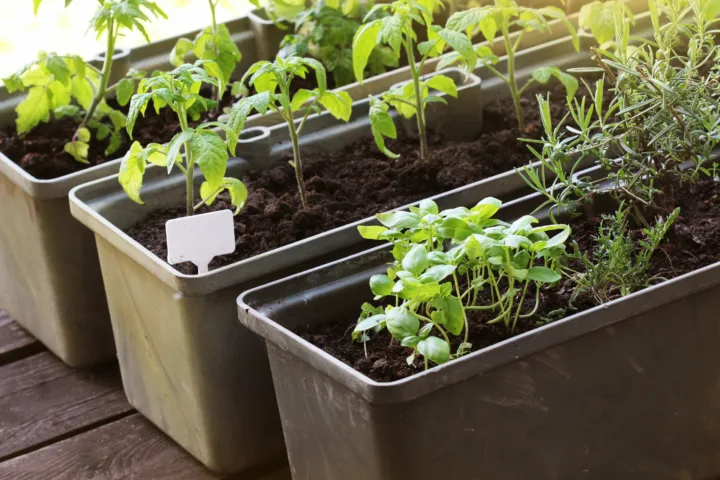
Plastic is light, cheap, and durable. I use it mostly as the inner pot. It never breaks when I move plants around. For hanging plants or large floor specimens that need frequent repositioning, plastic wins.
The look is not glamorous on its own. That is fine. I hide the plastic inside baskets, ceramic covers, or macrame hangers.
Other Materials Worth Trying
Concrete and resin pots give a modern, heavy feel. They work well for statement pieces. Woven baskets add texture and warmth, but I always line them or drop a plastic pot inside so the fibers stay dry. Wood looks beautiful until it starts to rot. I avoid it for long-term use.
Creative Indoor Plant Container Ideas That Feel Personal
This is where the fun starts. Store-bought pots are fine. The ones that make people stop and ask questions are better.
Upcycled Finds That Still Surprise Me
I hunt thrift stores, garage sales, and even curb piles. Old tin cookie tins become herb planters once I punch drainage holes. Wooden salad bowls hold shallow-rooted succulents after a plastic liner and some gravel. Ice buckets already come with liners and look sharp on a windowsill.
One of my favorites is a pair of rain boots I found at a yard sale. I drilled holes in the soles, lined them, and planted trailing pothos. They sit by the entryway and make people smile. Old teacups work for air plants or tiny succulents. Just group a few on a tray.
Plastic bottles turned into self-watering systems once I cut them in half and used a string wick. Not pretty, but effective for herbs on a busy week. Birch logs hollowed out hold small succulents and look like they came from a forest floor.
FYI, always seal non-waterproof containers with silicone if you plant directly. Let it dry and test for leaks before you commit.
Hanging and Vertical Options for Tight Spaces
Floor space is limited in my place. Hanging planters changed everything. Macramé hangers hold ceramic or plastic pots and free up surfaces. IKEA’s slim hanging planters stack easily and cost almost nothing.
Wall-mounted systems work too. I mounted a few simple ceramic cones for air plants. Wire baskets hold trailing plants without taking any table real estate. A single shelf with three staggered hanging pots creates a mini vertical garden that draws the eye up.
Grouped Arrangements and Statement Pieces
One large sculptural bowl filled with a mix of snake plant, small grasses, and a couple of trailing vines looks intentional. I call it my centerpiece garden. It sits on the coffee table and needs less daily attention than individual pots.
Matching sets of small pots create calm. I keep three identical ceramic cylinders on a windowsill for herbs. Variety works too. Mix heights, textures, and materials on a plant stand so the collection feels collected rather than chaotic.
Matching Containers to Your Style Without Overthinking It
I used to buy whatever was on sale. The result was a visual mess. Now I pick a direction and stick close to it.
For a modern look I choose matte black, white, or concrete finishes. Clean lines. Minimal pattern. For warmer spaces I lean into terracotta, woven baskets, and soft neutrals. Industrial corners get metal or geometric shapes. Boho rooms love macramé, textured ceramics, and a few painted pots.
Color blocking works. A cluster of dusty rose pots next to sage green ones feels deliberate. Or keep everything neutral so the plants provide the color.
Size scale matters. A tiny pot on a large floor looks lost. A massive pot on a narrow shelf looks awkward. I measure the space first, then shop.
Repeat one finish, such as matte black or terracotta, in at least two pot sizes to unify mixed shapes without making the display uniform.
Practical Tips That Keep Everything Alive
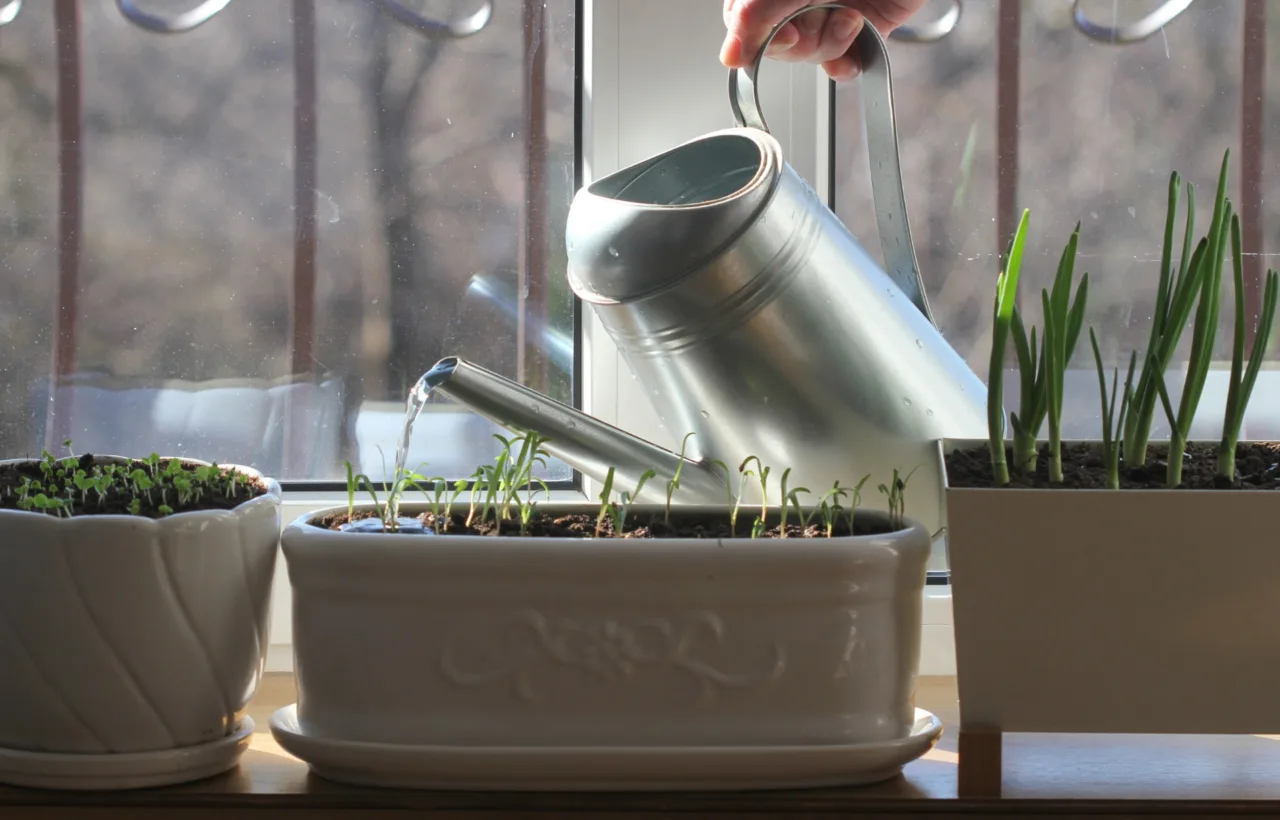
Water carefully. Even with drainage, excess water can sit in a saucer and cause problems. I empty saucers after every watering. For cachepots I lift the inner pot, water in the sink, let it drain fully, then return it.
Repot only when roots circle the pot or poke through the holes. Jump only one to two inches in diameter. Bigger is not better.
Protect surfaces. Cork pads, plastic trays, or felt bottoms stop water rings and scratches. I learned this after staining a wooden side table.
Clean pots between uses. Old soil and mineral buildup can carry problems to the next plant. A quick scrub with mild soap does the job.
IMO, the best system is a plastic nursery pot inside a decorative outer container. You get style plus easy watering and drainage. Most of my plants live this way now.
Mineral crust on terracotta can be dissolved with diluted white vinegar, but rinse thoroughly before reusing the pot.
Frequently Asked Questions
What are the best indoor plant container ideas for beginners? Start with terracotta for drought-tolerant plants and simple glazed ceramic cachepots for everything else. Focus on drainage first. Style can come later.
Do all indoor plant containers need drainage holes? Yes, the plant pot itself needs them. Decorative outer containers can go without if you use an inner pot that drains into a saucer you empty regularly.
Can I use household items as indoor plant container ideas? Absolutely. Tin cans, boots, bowls, and jars all work once you add drainage and protect the surface underneath. Just seal anything that might leak.
How do I choose the right size container for my indoor plant? Go only one to two inches larger in diameter than the current root ball. Too much extra soil stays wet and invites trouble.
Are self-watering containers worth it for indoor plants? They help if you travel or forget to water. I use them for herbs and ferns. Still check the reservoir so it does not sit empty or full for weeks.
I still mess up sometimes. A pot cracks. A plant sulks after a move. But the containers I choose now give the plants a fair shot and make the whole place feel more like home.
Pick one idea from this list and try it this week. Start small. Watch what happens. Your plants will tell you if you got it right. And if they do not, well, you already know how to start over. That is half the fun.