
I started growing lettuce in containers after one too many limp grocery bags and a balcony that refused to host a full garden bed. That first pot of greens changed how I eat. Fresh leaves right outside my door beat anything from a plastic clamshell. You get the same win if you follow the method I settled on after a few seasons of trial and error.
Lettuce stays one of the easiest crops I have ever planted in pots. Shallow roots. Fast growth. Continuous harvests when you pick the outer leaves. I now keep three or four containers going at once so salad never runs out.
Why Containers Work Better Than I Expected
I used to think real vegetable gardens needed ground. Then I tried a single wide pot on the balcony. The lettuce thrived. Containers let me move plants into shade when the sun gets aggressive. They also keep the soil warmer in early spring and cooler in summer heat. Drainage stays under my control. Pests have fewer places to hide.
Honestly? The biggest surprise was how little space I needed. A twelve-inch wide pot six inches deep holds enough leaf lettuce for several dinners a week. Wider window boxes give even more. I never went back to digging garden beds for greens.
See, the shallow root system is the secret. Lettuce does not send roots deep. It spreads sideways. That makes wide, shallow containers the perfect match.
On a balcony, check the planter's combined soil and water weight before choosing a large window box.
Choosing the Right Container and Soil
I pick containers carefully now. Depth matters less than width and drainage. Aim for at least six inches of depth for leaf types. Eight to twelve inches works better for romaine or butterhead. Width of twelve inches or more lets several plants share space without crowding.
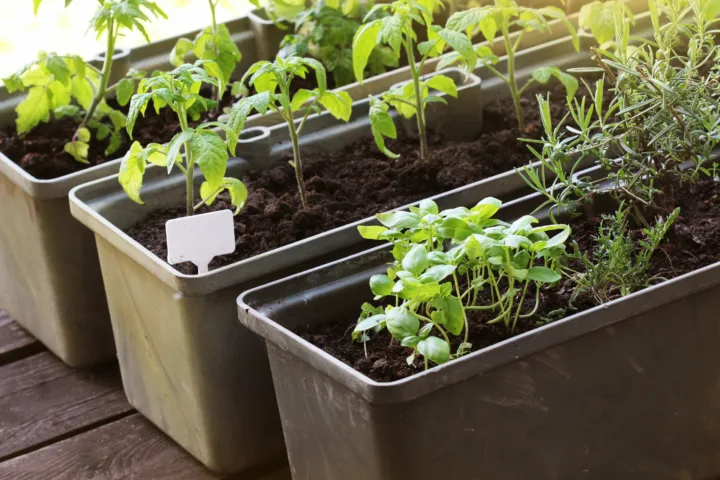
Plastic pots hold moisture longer. Terra-cotta breathes and keeps roots cooler but dries out faster. Fabric grow bags work well too if I stay on top of watering. Window boxes and recycled wooden crates also deliver strong results as long as holes sit at the bottom.
Key container rules I follow:
- Minimum six inches deep for loose-leaf varieties
- Twelve inches wide or wider for multiple plants
- Plenty of drainage holes so water never sits
- Light-colored pots in hot climates to reduce heat buildup
Soil choice makes or breaks the crop. I never use garden dirt. It compacts and drains poorly in pots. Instead I fill every container with a quality potting mix blended with compost. The mix stays light and holds moisture without turning soggy. A handful of perlite improves drainage further if the bag feels dense.
I mix in a slow-release organic fertilizer at planting time. Lettuce is a light feeder, but containers lose nutrients faster than ground soil. That small addition keeps leaves tender and green.
Line recycled wooden crates with burlap, keeping the fabric clear of drainage holes, to reduce potting-mix loss.
Best Lettuce Varieties for Containers
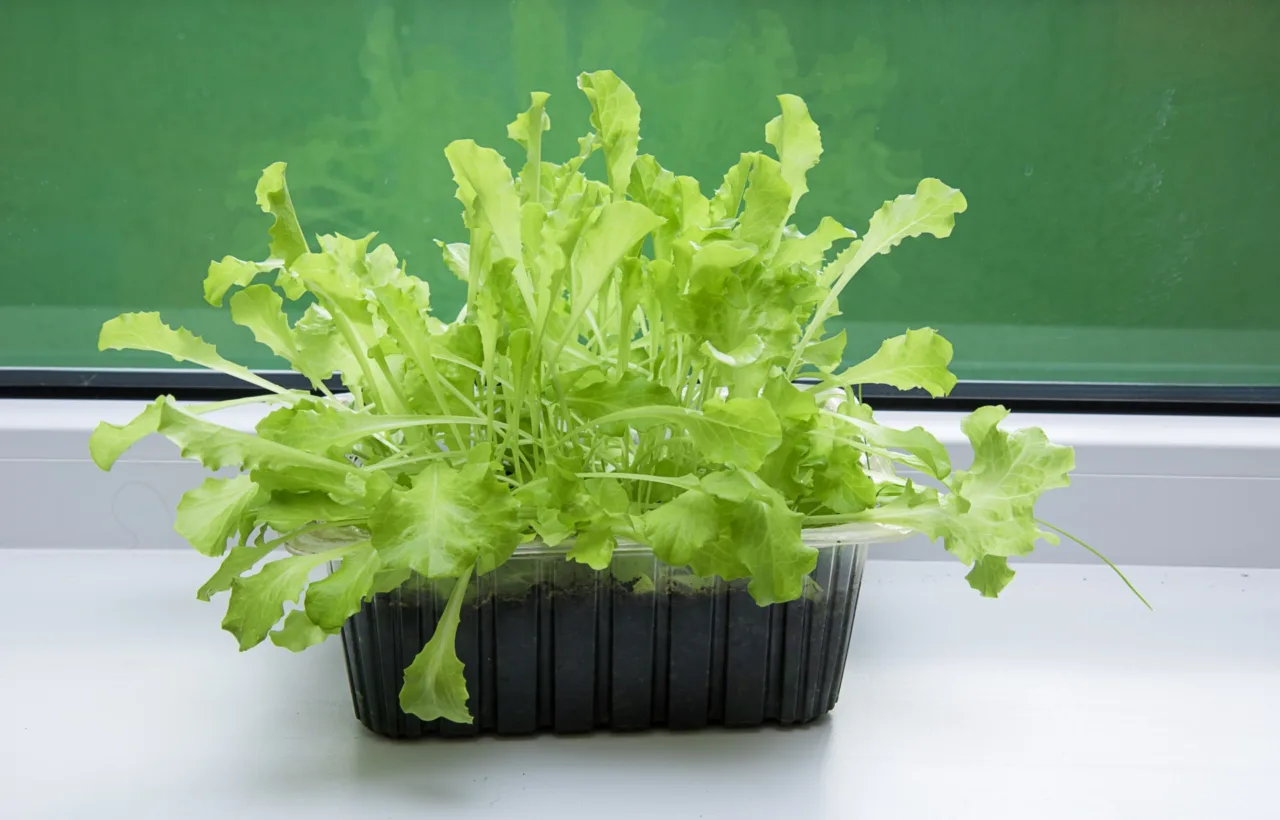
Loose-leaf types win for me every time. They grow fast and let me harvest outer leaves while the center keeps producing. Cut-and-come-again varieties stretch one planting into six or eight weeks of salads.
My current favorites include Black Seeded Simpson for its mild flavor and speed. Red Sails adds color and holds up better in mild heat. Oak leaf types stay sweet longer than most. Buttercrunch gives that soft texture I crave in sandwiches. Little Gem romaine forms compact heads that fit perfectly in smaller pots.
Heading types like iceberg need more space and time. I grow them only when I have a larger planter free. For steady supply I stick to leaf varieties and plant new seeds every two or three weeks.
Heat-tolerant options matter in summer. Muir and Jericho resist bolting better than standard types. Cold-tolerant ones such as Rouge d’Hiver keep producing into fall. I match the variety to the season instead of fighting nature.
Planting Lettuce Seeds or Transplants
I plant both ways depending on the calendar. Seeds cost almost nothing and give me the widest choice. Transplants from the nursery shave two weeks off the wait when I feel impatient.
For seeds I fill the pot to an inch below the rim and water the mix thoroughly first. Then I scatter seeds lightly across the surface. Lettuce seeds need light to germinate, so I cover them with no more than a quarter inch of mix. A gentle press settles them. I keep the surface moist until seedlings appear, usually in seven to ten days.
Thinning feels ruthless but pays off. Once true leaves show I snip the weakest plants so remaining ones sit four to six inches apart for leaf types. Head types get eight inches. Crowded seedlings stay weak and invite disease.
Transplants go in at the same depth they sat in their nursery pots. I space them the same way and water well right after planting. Either method works. Seeds just give me more control and lower cost.
Use a fine-rose nozzle for newly sown pots, since a forceful stream can bury light-dependent lettuce seeds.
Light, Water, and Temperature Needs
Lettuce wants cool conditions and steady moisture. Ideal daytime temperatures sit between sixty and seventy degrees. Growth slows and bitterness rises once the thermometer climbs past eighty. I move pots into afternoon shade during heat waves. Morning sun still delivers the four to six hours of light the plants need.
Water is the daily chore. Containers dry out faster than garden soil. I check the top inch every morning. When it feels dry I water until liquid runs from the drainage holes. Consistent moisture keeps leaves tender. Dry spells make them bitter or cause bolting. Overwatering leads to rot, so drainage remains non-negotiable.
In hot weather I water twice a day sometimes. Fabric bags and terra-cotta demand more attention than plastic. A thin mulch of shredded leaves helps hold moisture longer without smothering the shallow roots.
Fertilizer stays light. A diluted liquid feed every two weeks after the first month keeps growth steady. Too much nitrogen produces soft leaves that attract pests.
Apply water at the soil line rather than over leaves, especially during twice-daily summer watering, to reduce prolonged leaf wetness.
Harvesting Without Killing the Plant
I never pull the whole plant unless I want a full head. For leaf types I snip outer leaves when they reach three or four inches. The center continues growing. One planting can feed me for weeks this way.
Harvest in the morning while leaves stay crisp and cool. I rinse them right away and store them in the fridge. Flavor peaks before the plant sends up a flower stalk. Once bolting starts the leaves turn bitter fast. At that point I pull the plant and start a new pot.
Succession planting keeps the supply going. I sow a fresh container every two or three weeks during cool seasons. That simple habit means I always have young tender leaves ready.
Begin the replacement pot before bolting, allowing seven to ten days for seedlings to emerge and preserving continuous patio salad harvests.
Common Problems and How I Fix Them
Bolting tops the list of frustrations. Heat and long days trigger it. Shade cloth and heat-tolerant varieties delay the process. Consistent water helps too.
Aphids and slugs show up occasionally. A strong spray of water knocks aphids off. Beer traps or copper tape deter slugs. I avoid chemical sprays on food crops.
Yellow leaves often signal overwatering or nutrient lack. I check drainage first, then add a light feed. Leggy seedlings mean too little light. I move the pot or add a simple grow light if I grow indoors during winter.
IMO the best defense is prevention. Good air flow, proper spacing, and healthy soil stop most issues before they start.
Extending the Season Indoors or Out
I keep containers productive almost year-round. In spring and fall the pots live outside. Summer heat pushes me toward deeper shade or indoor windowsills with strong light. Winter brings grow lights and cooler rooms. Lettuce tolerates temperatures down to the mid-forties, so unheated porches work in mild climates.
A simple cold frame or row cover over outdoor pots stretches the fall harvest. I have pulled sweet leaves in December this way. The effort stays minimal compared with the payoff of fresh greens when stores charge premium prices.
Frequently Asked Questions
How deep does a container need to be to grow lettuce in container successfully? Six inches works for most leaf varieties. Eight to twelve inches gives heading types more room and holds moisture better through hot spells.
Can I grow lettuce in containers indoors year-round? Yes. Place pots near a bright window or under grow lights for twelve to sixteen hours daily. Keep temperatures cool and water consistently.
How often should I water lettuce growing in containers? Check daily. Water when the top inch of soil feels dry. Containers often need water every day or two in warm weather.
What is the best lettuce for beginners who want to grow lettuce in container gardens? Loose-leaf types like Black Seeded Simpson or oak leaf. They forgive small mistakes and deliver continuous harvests.
How long until I can harvest the first leaves? Baby leaves appear in three to four weeks from seed. Full-size leaves ready for regular picking arrive around forty-five days for most leaf varieties.
Final Thoughts on My Container Lettuce Habit
Growing lettuce in containers turned a small balcony into a reliable source of crisp greens. I spend less money at the store and waste almost nothing. The process stays simple once the basics click. Wide shallow pots. Good potting mix. Steady moisture. Cool temperatures. Outer-leaf harvests.
I still smile every time I walk out and snip dinner. You can do the same. Start with one pot this season. Watch the first leaves unfurl. Then expand. Fresh salad becomes the easiest win in your kitchen.